- Culture
- Adventure
The freedom route in Andorra: WWII escape lines
Andorra, neutral territory between occupied France and Spain
What was the freedom route and why does it matter in Andorra?
It is worth being clear from the outset: there is no official Andorran route with this name and no waymarked itinerary for you to follow. What is documented is more interesting. During the Second World War, Andorra was neutral territory and a transit point for several escape lines, the networks that got Allied airmen, refugees and people under persecution out of occupied France and towards Spain.
The escape lines that passed through Andorra
According to the British association dedicated to the history of the escape lines, Andorran routes were used by the Pat O’Leary, Dutch-Paris, François and Marie-Claire lines. Once the low coastal routes through the Pyrenees had been compromised, the networks moved inland to high passes that were harder to watch.
Why the destination changed
The case of Dutch-Paris explains it well. It first crossed into Switzerland, but anyone interned there stayed until the end of the war. So it changed direction: Toulouse, Saint-Girons, Foix and, frequently, Andorra.
Not an Andorran resistance
The idea of an organised “Andorran resistance” also needs qualifying. The sources describe Andorra as neutral, intermediate territory rather than a fighting front. The guides on these routes were mostly Spanish and often smugglers.
Andorra’s key role during the war
A neutral country high in the mountains, between occupied France and Spain, became a place full of watching eyes. The source describes it as monitored by spies and agents from every country at war, each keeping tabs on the others.
The men who organised the crossings
Francesc Viadiu, recruited in Montpellier by a British agent known as “Mr Miller”, organised guides for the evaders. Joaquim Baldrich, a mountain guide and smuggler in his twenties, helped several hundred refugees reach Spain. They knew these passes for a reason: the same trade described in the smugglers’ legacy in Andorra.
The Hotel Mirador
Many clandestine meetings reportedly took place at the Hotel Mirador, where everyone was watching everyone else.
Radio Andorra
The station was powerful, broadcast across Europe and aimed to stay neutral. The Germans tried to buy or manipulate it for propaganda and failed, although they did gain access to Radio Monte Carlo. Refugees are also said to have sent coded messages to relatives in France through song dedications.
Landmarks of the freedom route in Andorra
Rather than a single path, this was a chain of stages. Many of them lie outside the country, and following them helps you grasp the true scale of the journey.
Before arriving: Toulouse and Ussat-les-Bains
Toulouse was a major gathering point. Many fugitives stopped at the Hotel de Paris, run by the Montgelards. The couple were captured and deported, and only she returned. Many routes began at Ussat-les-Bains.
The crossing
Getting from France to Andorra took between three and seven days depending on the weather. Without a moon, nights in the mountains were pitch black. The hidden refuges and specific paths are not identified in the sources consulted, so do not trust anyone who points one out as “the real one” without documentation.
After Andorra: Manresa and Barcelona
From Andorra there were several more days on foot to Manresa and then a train to Barcelona. There, the evaders were helped by the British consul and vice-consul, and the journey continued to Lisbon or Gibraltar. Those arriving with frostbite were treated by Dr Trias and then taken to a British-American hospital in Madrid and the British Embassy.
A place you can visit
The site with the most direct link that you can visit today is the Museu del Tabac, in the former Reig factory in Sant Julià de Lòria, which operated from 1909 to 1957. It has displays on the smuggling of tobacco, cigars and cigarettes, the trade that produced many of these guides. In those years, crews crossed the mountains with loads of up to 30 kilos and France wanted more and more wool, with Andorrans as middlemen. That knowledge of the passes is what made it possible to get so many people out this way. Check opening times before you go.
How to commemorate this history today
You do not need a guided tour to get close to this episode. You can do it on your own, with some reading and a pair of boots.
In summer and autumn
Walking is the best way to understand what crossing these mountains meant. The Madriu valley or the Pessons lakes, whose route starts at El Cubil in Grau Roig, give you the measure of the terrain, and there are more ideas among the hiking routes in Andorra. None of them is a documented escape route, but they are the same kind of high mountain country. If old paths interest you, have a look at the Camí Ral route as well.
In winter
Cold and snow were part of the risk. Today, in season, you can head out on snowshoes from Grau Roig with a level of safety they never had, and understand why frostbite was such a serious problem. It is also the hotel’s high season, with access to the Grandvalira slopes.
Where to stay
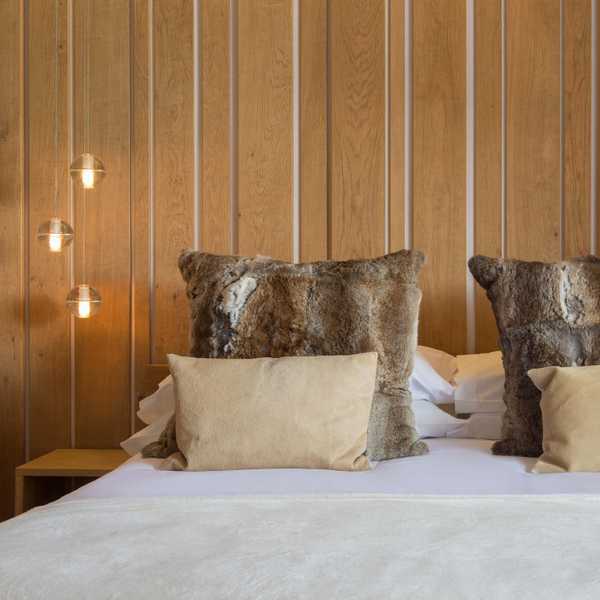
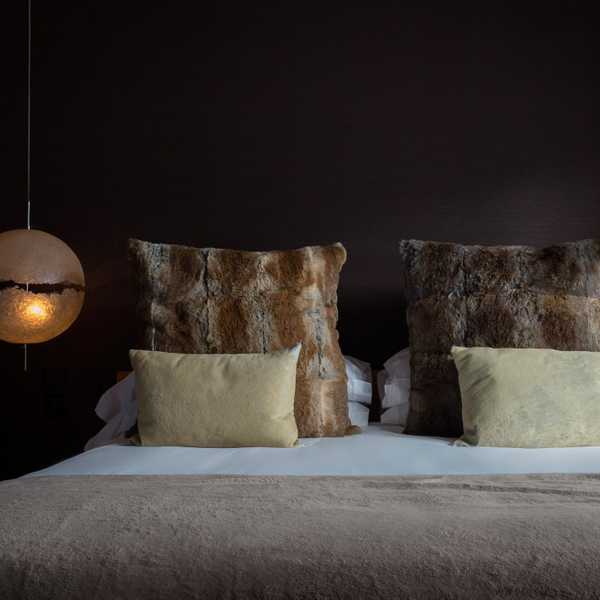
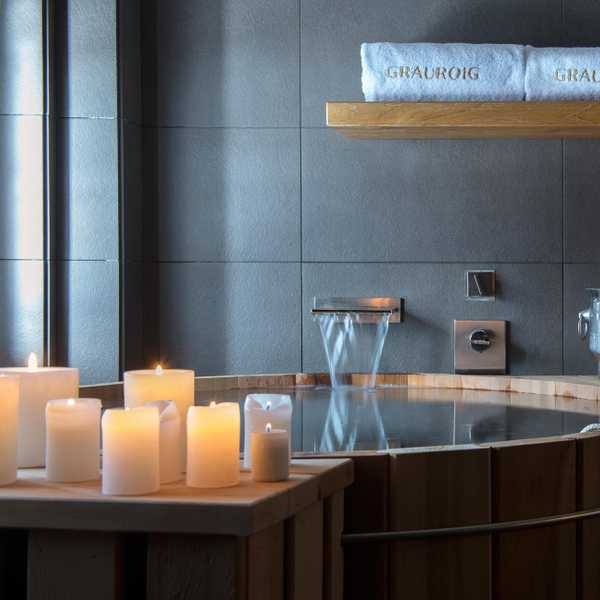
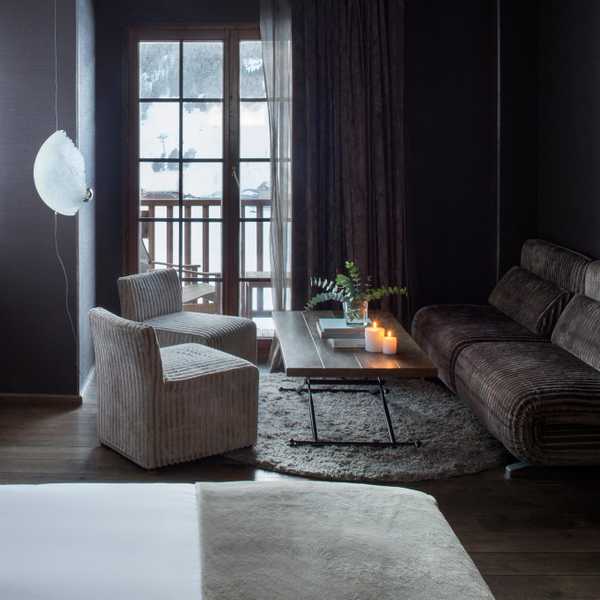
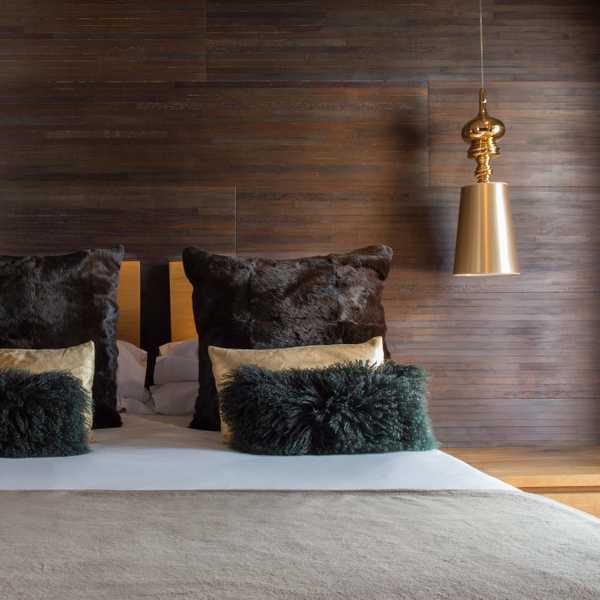
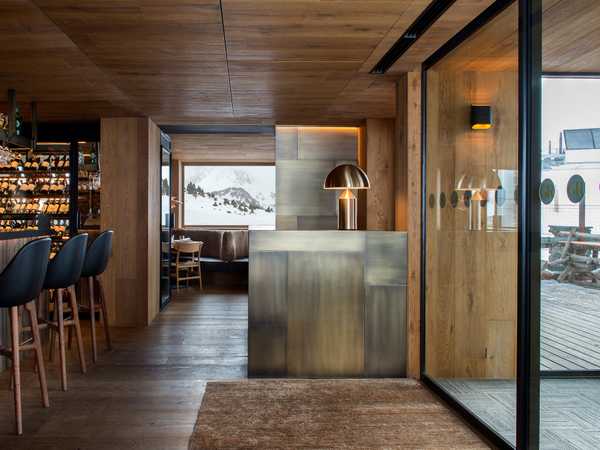
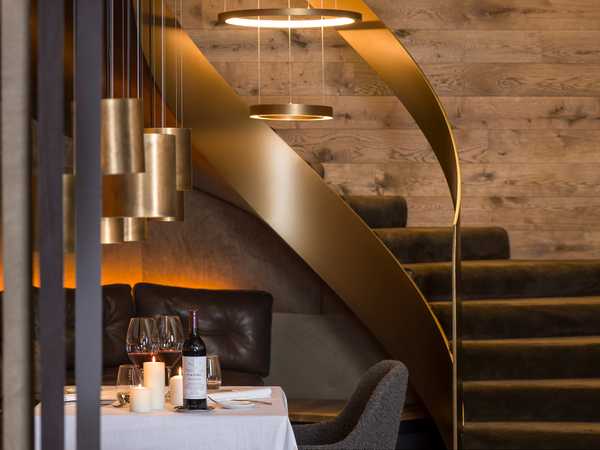
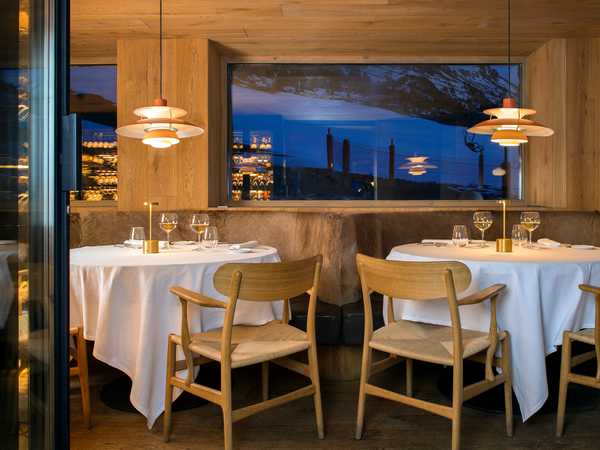
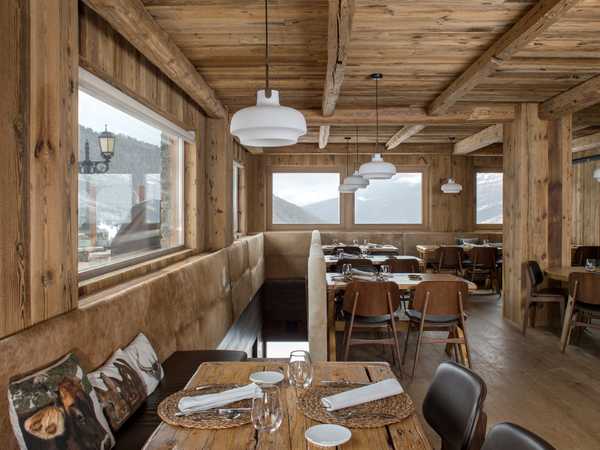
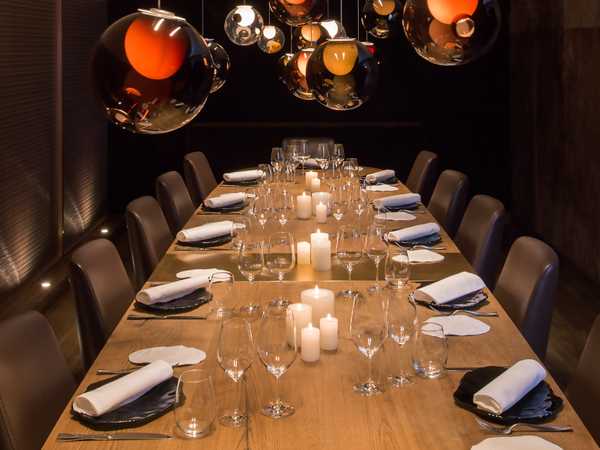
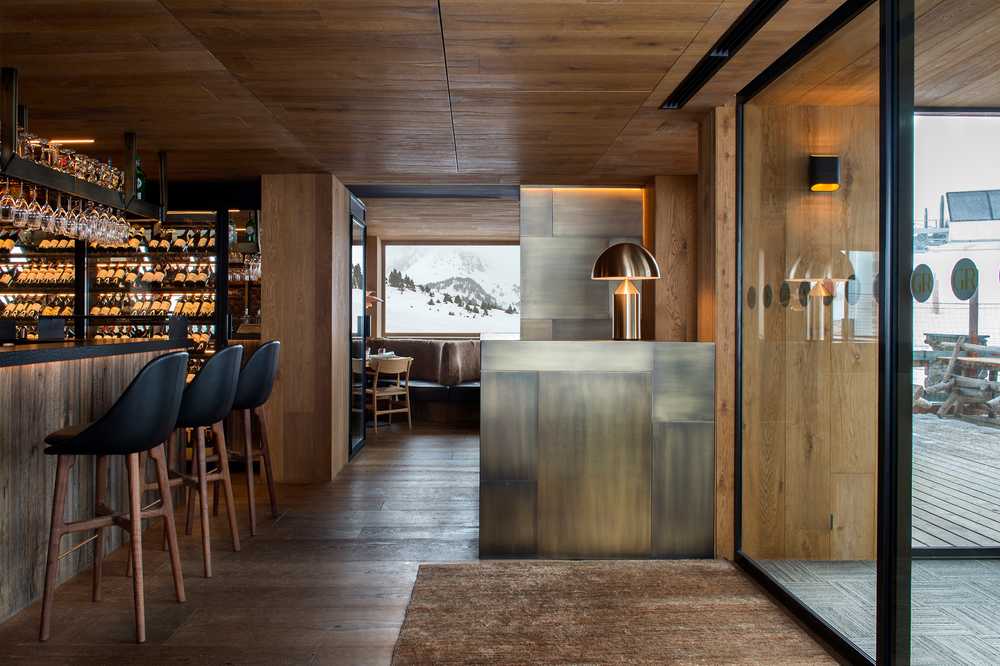
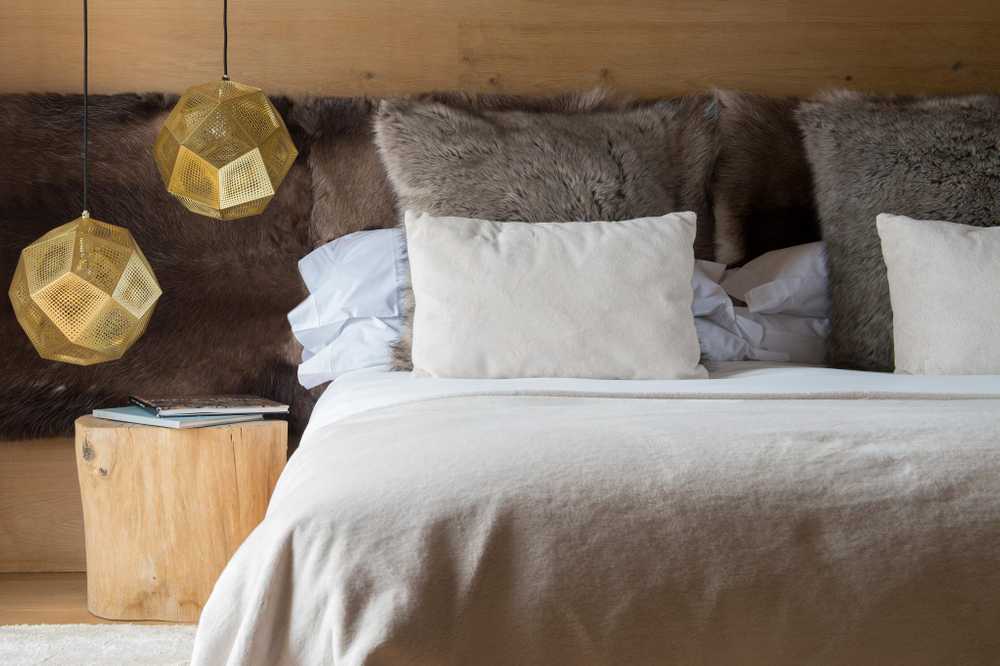
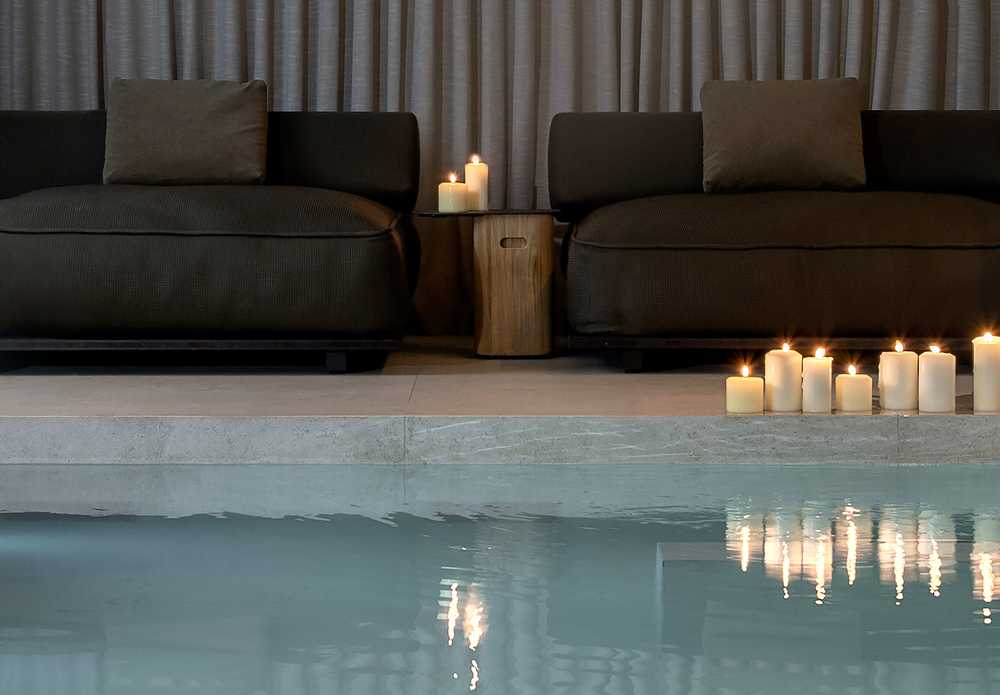
Hotel Grau Roig, listed in the MICHELIN Guide, makes a good base for getting around the mountains. Back at the hotel you have the spa with its heated pool and several dining options: La Vaquería, El Teatro del Vino, La Marmita, La Fromagerie and Secret Room.