
- Adventure
Madriu Valley: route, refuges and what to see in this UNESCO site
A World Heritage cultural landscape in the heart of Andorra
The Madriu-Perafita-Claror Valley route
The valley was declared a UNESCO World Heritage Cultural Landscape on 1 July 2004. Its beauty was not the only reason: the Committee recognised a joint work of people and nature, a living testimony to rural mountain life, with its forests, pastures, paths and uses of water.
Its core zone covers 4,247 hectares, coincides with the Madriu river basin and accounts for around 10% of the country. With the 4,092 hectares of the peripheral protection zone, the whole site covers almost a fifth of Andorra and is shared between four parishes: Encamp, Andorra la Vella, Sant Julià de Lòria and Escaldes-Engordany.
You can choose between routes of varying difficulty. The classic itinerary proposed by Visit Andorra is 13.6 km long with 1,180 metres of ascent, and is rated difficult. If you want to go much further, there are multi-day treks linking refuges.
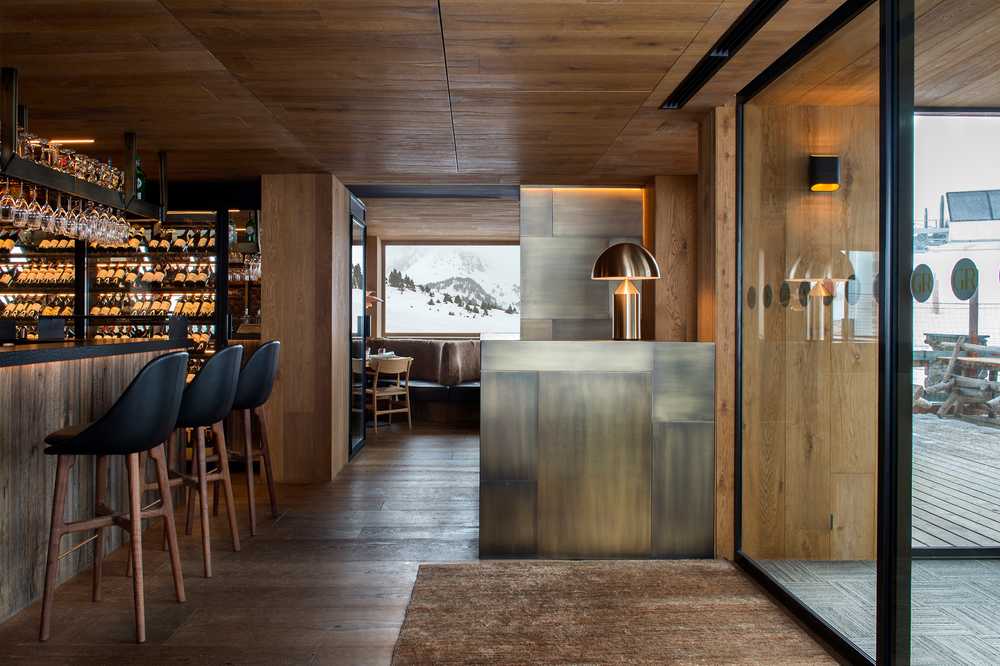
From Hotel Grau Roig, which features in the MICHELIN Guide, the valley is very much part of the local landscape: the Skimo 6 ski mountaineering race of the Dynafit Andorra Skimo starts in Grau Roig and enters the Madriu. For walking, the usual approach is through Escaldes-Engordany, returning to the hotel to rest and recover in the spa.
Discover the Madriu Valley in summer
Summer is the best time to explore it. Above 1,700 metres, Visit Andorra advises walking between late June and late September; if the weather and terrain allow, the season can stretch from May to October.
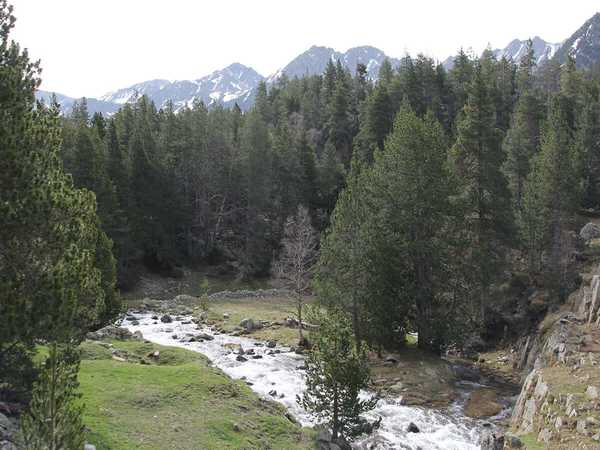
You will find intense greens, very clear water and the river beside you for most of the way. You can also combine the walk with other activities in the area, such as hiking routes in Andorra or a day’s fishing in Andorra, always with the relevant permit and in line with the regulations.
The wild and varied fauna of the Madriu Valley
If you walk quietly and patiently, you may come across chamois, roe deer, mouflon, wild boar, foxes, marmots, martens and squirrels. This is their home, so watch them from a distance, do not disturb them and do not feed them. A pair of binoculars helps a great deal, especially early in the morning and late in the day.
A route that stays with you
The Madriu-Perafita-Claror Valley offers different options depending on your experience and the time you have. If it is your first visit, the classic itinerary is the most direct way to get to know it.
The route starts in Escaldes-Engordany, about 30 metres from the junction of the La Comella and La Plana road with the Engolasters road, where you will see a sign. A stone path enters the valley and leaves the Perafita valley on the right. You will soon reach the group of Entremesaigües bordes (traditional barns) and, following the path, the Ràmio bordes.
Walking alongside the Madriu river, through forest and clearings, you will start to feel the climb. After the Fontverd refuge you pass the huts of La Farga, Serrat de la Barracota and La Ingla, until you reach the Riu dels Orris refuge. A little higher up is Lake La Bova, named after the bulrush that grows here in abundance, a plant typical of wet areas.
When you get here, stop. Drink some water, sit down for a few minutes and enjoy the landscape before starting back, because the descent is demanding too and you need to save your strength. The official route sheet allows 3 to 6 hours for the itinerary, so set off early to return in daylight.
If you want something longer
The valley also fits into longer routes. Above the lake is the staffed L’Illa refuge, at 2,480 metres, beside the Estany de l’Illa at the head of the valley. The GR 11 also passes through here. There is also a very difficult 33 km trail route linking Fontverd, Riu dels Orris, L’Illa, Estanys de la Pera and Perafita, which includes a technical ridge section: it is only for runners with high mountain experience.
Discover the huts along the way
One of the valley’s great attractions is its pastoral heritage. The bordes and huts you pass along the way speak of how people lived and worked here, and they are the reason UNESCO recognises it as a cultural landscape. Some 99% of the land is communal property; the rest belongs to around thirty private owners at the bottom of the valley, so please respect the buildings and properties.
Some refuges are unstaffed and others staffed. Fontverd is small and mainly useful in an emergency, and Riu dels Orris has few places, so do not count on finding a bed without checking first. After your walk, the borda restaurants serving traditional mountain food are a good choice for a meal.
Safety first
This is a demanding route, so it pays to go prepared. Wear proper mountain footwear and bring supplies of food and drink: staying hydrated is key. Check the forecast before you leave and tell someone where you are going.
The Madriu in winter
The area’s main season is winter, when the valley is covered in snow and the route changes completely. To see it this way, go on snowshoes, in a group and with a guide who specialises in the area, and check the avalanche risk first. If your skiing level is up to it, ski touring is another way to get to know these landscapes.