


- Culture
- Adventure
Smugglers in Andorra: routes and legends
Wool on the way out, tobacco on the way back: how smuggling worked between Andorra, Spain and France
The origins of smuggling in Andorra: history and context
Andorra sits between two borders and, for a long time, that was its greatest commercial advantage. Whatever was scarce or expensive on one side could be sold on the other, and in between lay mountains that could only be crossed on foot or with mules. Smuggling was no romantic adventure. It was hard, genuinely risky work that fed many families on both sides of the Pyrenees.
The best-documented period is the years after the Spanish Civil War. Food, medicine and industrial goods were in short supply, and smuggling became one of the main ways to get hold of them. During the Second World War, France also wanted more and more wool, and Andorrans acted as middlemen, which encouraged more smuggling crews to form.
Wool on the way out, tobacco on the way back
The business was simple. Crews bought wool from farmers and shepherds for around 15 to 18 pesetas a kilo and sold it in Andorra for 40 to 50. With that money they loaded up on whatever was worth something in Spain: packs of tobacco, loose tobacco in half-kilo lots, cigarette papers from the Reig factory in Sant Julià de Lòria and perfume essences. Anisette and tins of sardines also changed hands.
Some exchanges were more unusual. People from Sant Llorenç de Morunys swapped wooden barrels made from black pine heartwood for tobacco. Andorrans prized them for storing water.
Who has told the story
Much of what we know comes from the historian Josep Albert Planes i Ball, who carried out fieldwork between 2006 and 2009 and published El contraban de frontera al Pirineu català in 2011. It is the book to read if your interest goes beyond the anecdotes.
The main smuggling routes in Andorra: a detailed look
There was no official route, of course. Each crew used the passes it knew, depending on where it set out from and who it had to hide from. These are some of the journeys recorded in the sources.
From Odèn to Andorra
Crews from Odèn, in the Solsonès area, took about seven days to get there and back. They reached Andorra in around three, sold the wool, bought tobacco, slept at the Hotel Pol and set off home the following day. Loads could reach 30 kilos, carried over long and difficult terrain.
The Port de Perafita
This historic pass between the Cerdanya and Andorra was used by smugglers from Arànser. Today it is one of the names you will come across most often if you walk through the Madriu valley, one of the best ways to get a feel for the ground they covered.
From the Alt Urgell and the Solsonès
Smugglers from Sort left from the hermitage of Santa Magdalena, in the Alt Urgell, on their way to Andorra. Those from Sant Llorenç de Morunys went via Tuixén and Cornellana.
By bus, too
Not everything travelled on people’s backs. Olive oil travelled on the La Seu d’Urgell bus line, with bottles and flagons hidden in mail sacks. Those sacks could not be searched without a special court order, which made them awkward to inspect. Drivers, ticket inspectors and railway staff helped out in exchange for gifts.
The legends linked to smuggling in Andorra
With this subject it pays to separate what is documented from what gets embellished over dinner. Many of the stories in circulation come without names or dates. The ones below have something to back them up.
The paquetaires and the Guardia Civil
The porters were known as paquetaires, and crews could number up to fifteen people. Some carried weapons, and there were clashes with the Guardia Civil. But the picture of constant pursuit is incomplete: many border guards were more interested in keeping the bundles for themselves than in enforcing the law, and bribes and gifts were common. Smugglers often got away simply by dropping their load.
From smugglers to escape guides
Anyone who knew these passes became hugely valuable during the Second World War. Most guides on the escape routes through Andorra were Spanish and often smugglers. The most frequently cited is Joaquim Baldrich, a mountain guide and smuggler in his twenties, who helped several hundred refugees reach Spain. We cover this in Andorra’s escape lines.
The mystery of Tor
On the far side of the Port de Cabús, the village of Tor carries a dark history of its own. The dispute over its mountain has been linked to as many as three murders, and Josep Montané, known as “Sansa”, was found dead on 30 July 1995 in a case that remains unsolved. It is the story that hangs over the smugglers’ route by 4×4.
The impact of smuggling on Andorra’s culture and economy
The money made a difference. A single trip could pay a good deal more than a day’s work on the land or in the mines, which is why so many people took it on despite the effort.
Tobacco as an industry
The best place to understand this is the Museu del Tabac, in the former Reig factory in Sant Julià de Lòria, which operated from 1909 to 1957. It is not a smuggling museum. It explains how the leaf was grown, fermented, cut and dried, and shows the cigarette and cigar workshops and the factory offices. It does, however, have displays on the smuggling of tobacco, cigars and cigarettes, as part of a wider account of tobacco’s weight in Andorra’s economy and society.
From local trade to organised networks
A former smuggler, interviewed under a pseudonym by the Andorran outlet Alto, describes a trade with its own codes, whose profits reached the country’s shops, restaurants and mechanics. According to his account, large operators using shipping containers moved in during the 1990s, and anti-fraud laws arrived in 1999. It is one man’s version, but it helps to explain how the change was felt.
A story still unfolding
Smuggling is not just a thing of the past. In 2026, Andorran and French authorities, under Eurojust oversight, dismantled a network that had moved around a million euros’ worth of tobacco. Those arrested included the owner of a shop in Pas de la Casa. Investigators seized 6,250 packets, 70,000 euros in cash and five vehicles. That is reason enough to read up on the limits for buying tobacco in Andorra before you head home.
Tips for exploring Andorra’s smuggling routes today
There is no waymarked smugglers’ route, so be wary of anyone selling you one as such. What you can do is combine real places with mountain paths.
What to do in summer
- Visit the Museu del Tabac in Sant Julià de Lòria. Check opening times before you go.
- Walk the Madriu valley or pick another of the hiking routes in Andorra to suit your level. These are high-mountain walks, so bring water and warm clothing and check the forecast.
- 4×4 routes are listed among the hotel’s summer activities. Take care with Tor: the owners of the mountain restrict visitor access via the Port de Cabús, and the private stretch between the pass and the village is reserved for residents.
What to do in winter
The high passes lie under snow and the Port de Cabús is normally open only from May to October, so these routes are not for this time of year. But winter is the high season at Grau Roig. You can ski the Grandvalira slopes in the morning, head out on snowshoes to experience what it is like to move through these mountains in the cold, and spend an afternoon at the museum.
Where to rest afterwards
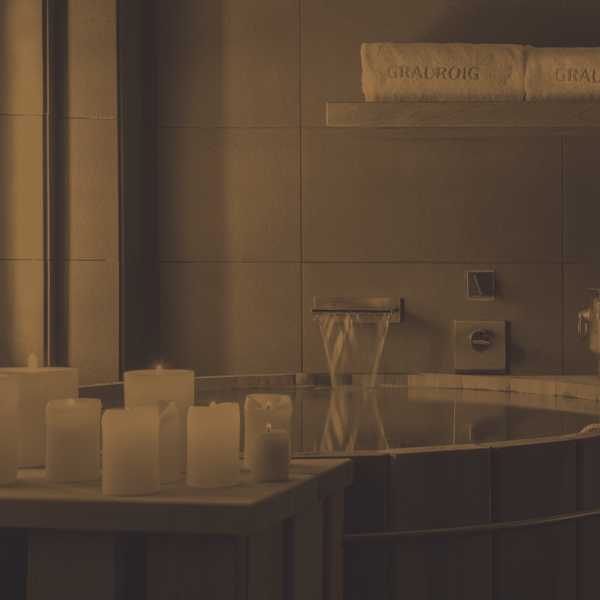
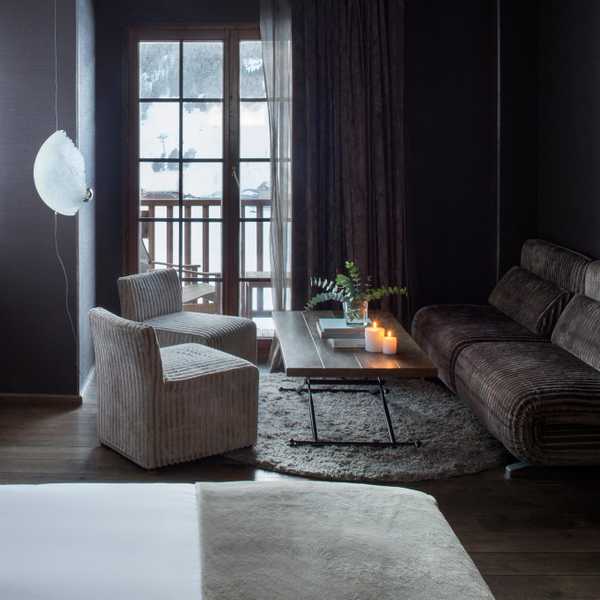
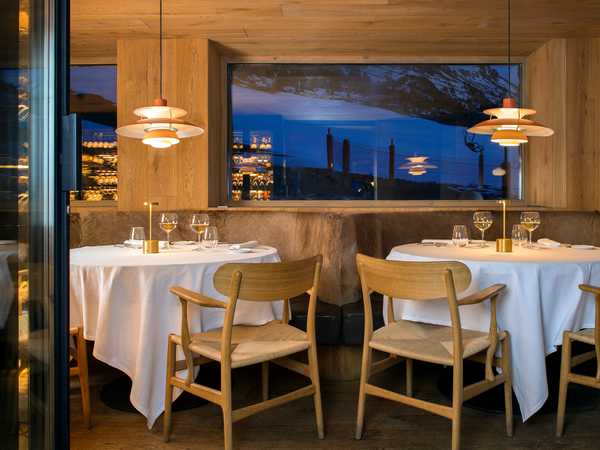
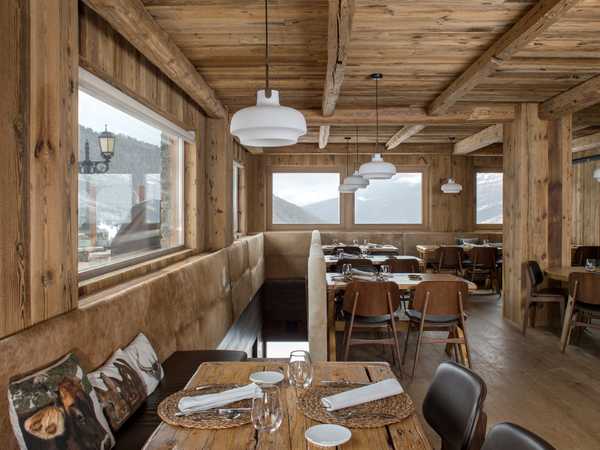
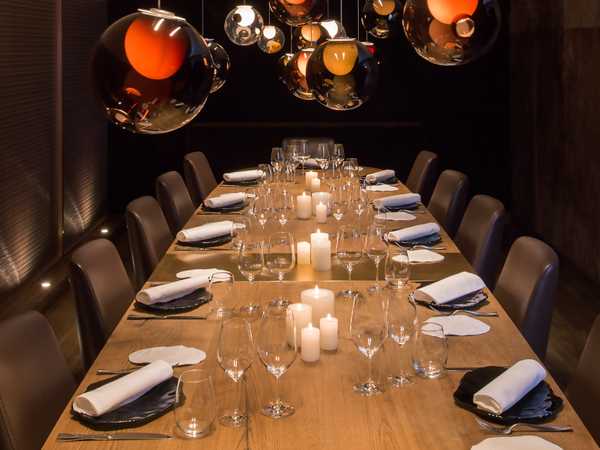
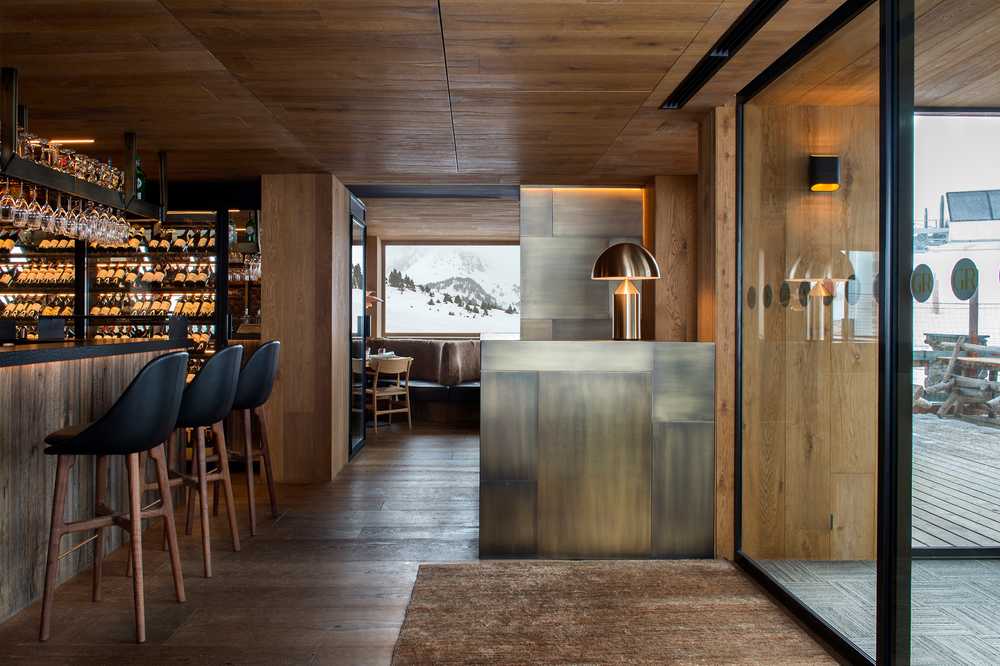
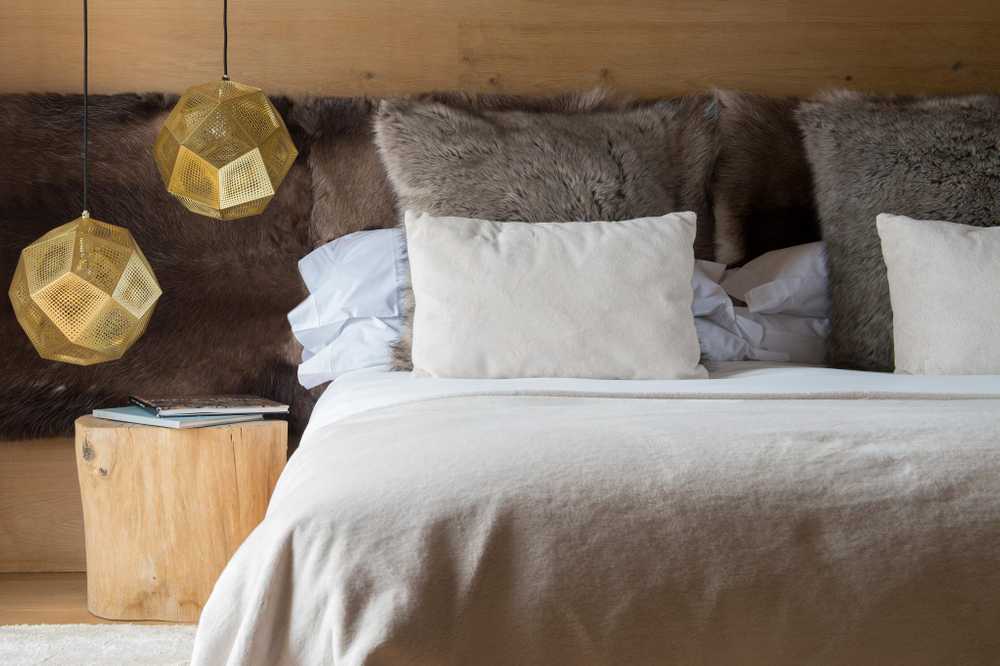
Hotel Grau Roig stands in the Grau Roig sector of Grandvalira and is listed in the MICHELIN Guide. Back at the hotel you have a spa with a heated pool, along with market cuisine at La Marmita, mountain fare at La Vaquería and fondues and raclettes at La Fromagerie. El Teatro del Vino focuses on pairing, with a cellar of more than 300 labels.