- Culture
- Adventure
Rock paintings in Andorra: engravings and ancient art in the Pyrenees
What is really in Andorra and where to see prehistoric painting nearby
History and discovery of rock paintings in Andorra
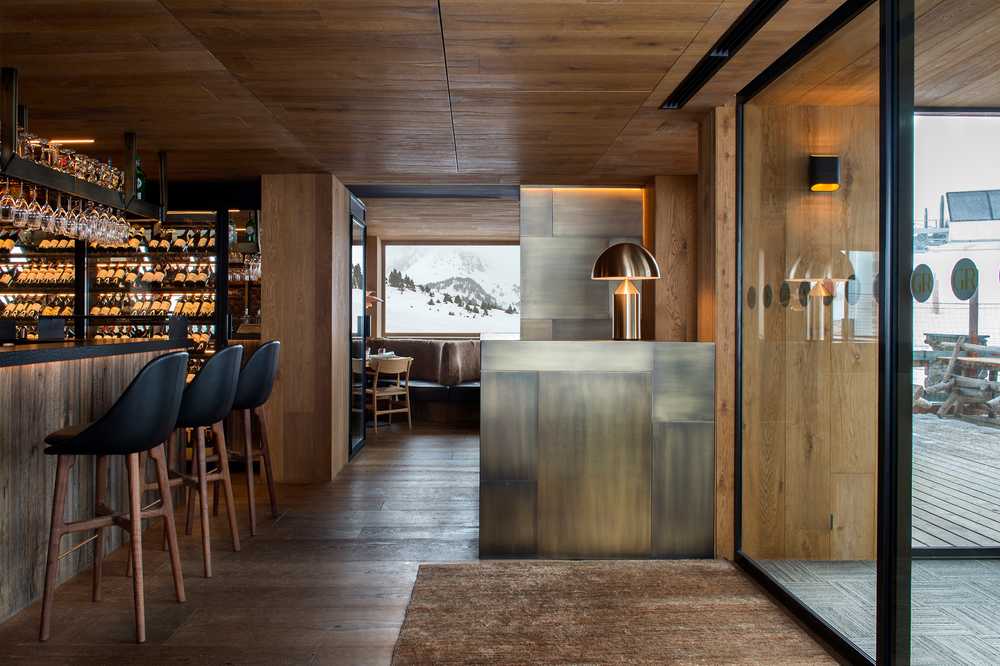
If you are looking for rock paintings in Andorra, it helps to start with what is actually there: what is documented in the country are rock engravings, not paintings. They are incisions in the stone, most of them medieval and some older, even Neolithic. To see genuine prehistoric painting you need to cross to the French side, to the Niaux cave. Both can be visited from Hotel Grau Roig, in Grandvalira, which appears in the MICHELIN Guide with one Key.
Most Andorran engravings are found in the country’s two main valleys. The magazine World Archaeology covered them in 2012 and highlighted three groups: Roc de les Bruixes, Sornàs and Sant Cerni de Nagol.
The oldest traces in the country
Human presence in Andorra goes back long before these engravings. The La Margineda rock shelter, excavated between 1979 and 1991, was occupied from the Mesolithic and Neolithic through to historical times. No engravings are recorded in that shelter, but it gives a sense of how long people have lived in these valleys.
What we still do not know
That source gives no precise dates for each group, and some interpretations remain open. So go without expecting a museum: they are marks in the rock, sometimes discreet, and part of their interest lies in everything we do not know about them.
Cultural and archaeological importance of rock paintings in the Pyrenees
The Pyrenees hold some of Europe’s finest examples of Palaeolithic art, above all on the French side. In Andorra the interest is different: the engravings show how the land has been marked over the centuries, from prehistory to the Middle Ages.
Niaux: cave art across the border
The Niaux cave, in Ariège, is one of Europe’s best-known Palaeolithic sites and one of the few decorated caves still open to the public. Its paintings are roughly 17,000 to 11,000 years old and belong to the Magdalenian period. They are concentrated in the Salon Noir, a large chamber about 700 metres from the entrance, with bison, horses, ibex and deer.
A distinctive medieval mark
The engravings at Roc de les Bruixes are interesting for another reason: they portray 13th-century warriors with very specific weaponry. They may reflect the conflicts of the time in these valleys, before the pariatges signed between 1278 and 1288, the agreements at the root of present-day Andorra.
A cultural landscape
The Madriu-Perafita-Claror valley, a World Heritage site, helps complete the picture. It is not an engraving site but a cultural landscape with settlements and farming terraces that explain how people have lived here.
Other cultural visits
To understand the country’s history better, you can move on to its Romanesque sacred art, its castles and defensive architecture or the Casa Cristo Ethnographic Museum in Encamp.
Main places to see rock art in Andorra
These are the sites backed by documentation. Apart from La Margineda, they are not museum spaces, so ask at a tourist office before going: (+376) 750 100 or info@oficinaturisme.ad.
Roc de les Bruixes, in Prats (Canillo)
This is the most interesting group. It lies on the vertical wall separating two terraces, over about 2 square metres. You can see two horses with riders, four complete warriors on foot, three incomplete ones and other figures, along with inscribed crosses, pentagrams and traces of writing. The adjoining terraces have schematic prehistoric engravings. It is reached by the road from Canillo to Prats, and it is a good idea to ask in the village, as it is easy to get lost.
Sornàs (Ordino)
Near Ordino, Sornàs shows a series of anthropomorphic crosses, that is, crosses with human features.
Sant Cerni de Nagol (Sant Julià de Lòria)
In the south of the country, near Sant Julià, this group is known for its cryptographic graffiti, among the most curious engravings in Andorra.
La Margineda archaeological site
In Santa Coloma, Andorra la Vella, this is the country’s largest archaeological site. It has no rock art, but it is the most complete archaeological visit: about 4,000 square metres, open since 2012, with five periods of occupation from the Bronze Age to the late 19th century. A settlement from the 12th to 14th centuries stands out. Guided summer visits require advance booking. Admission: 5 euros from 12 to 65, 3 euros for over-65s and Carnet Jove holders, and free for under-12s.
From the hotel
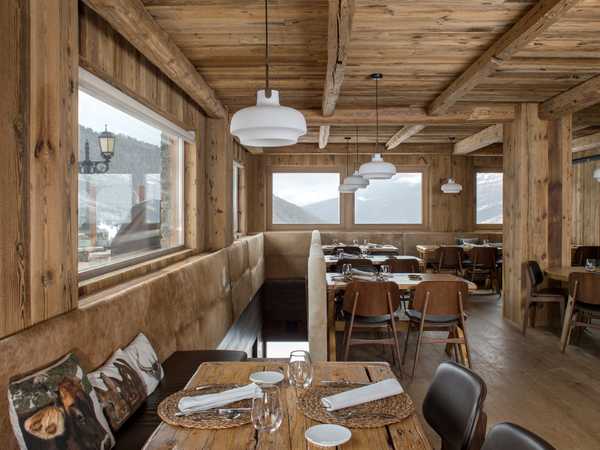
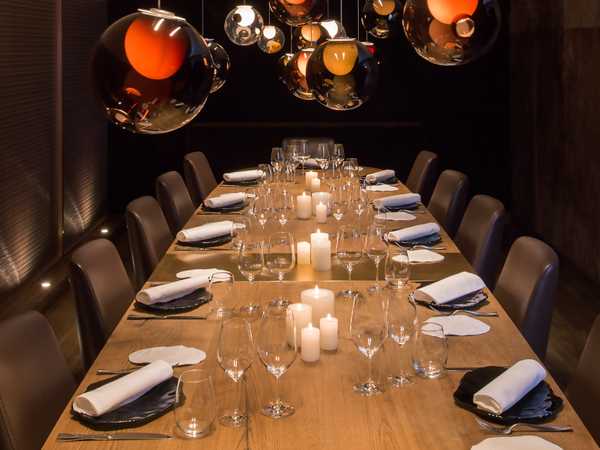
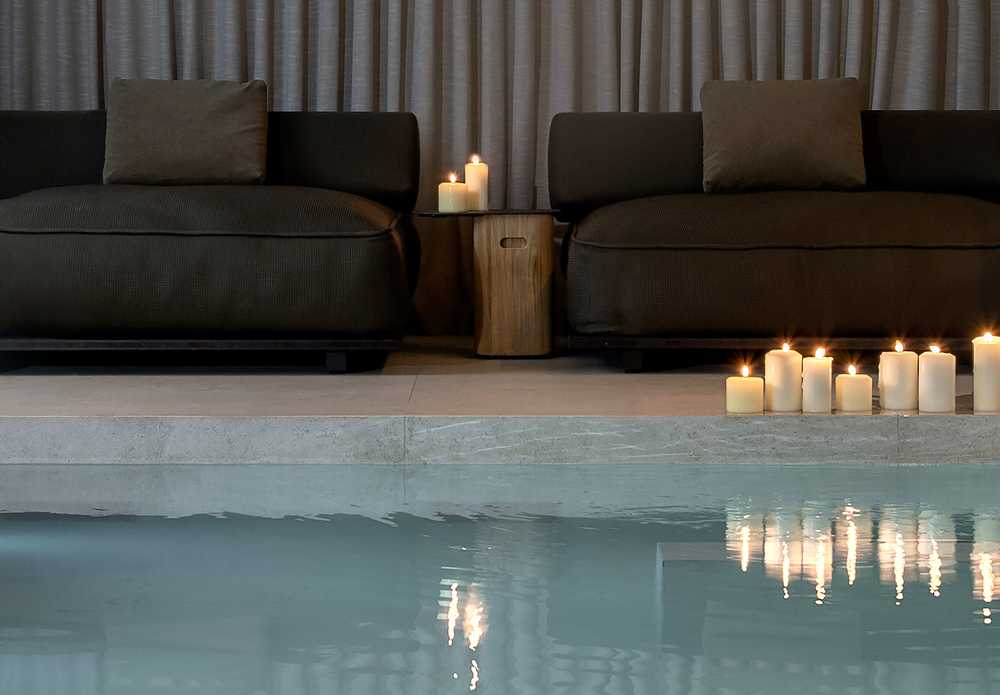
The reward for a day of sightseeing is the return to Grau Roig: the spa is open until 9 pm, with a heated pool, whirlpool bath, sauna and Turkish bath, and you can dine in any of its restaurants: La Vaquería, La Marmita, La Fromagerie, El Teatro del Vino or Secret Room.
Techniques and styles of rock art in the Pyrenees
Painting and engraving look quite different on the ground. Knowing what to look for changes the visit a great deal.
Schematic engraving
The medieval engravings at Roc de les Bruixes are drawn in a schematic style. The warrior figures are built from two opposing triangles, the lower one with strokes suggesting a skirt. The dating to the second half of the 13th century relies on the weaponry, such as the cylindrical helmet and the sword with cross and pommel, and on their similarity to the engravings at Castellfollit de Riubregós (Anoia).
A scene open to interpretation
It is not known whether it shows an idealised scene or a real event. One theory links it to the clashes between the Count of Foix, Roger Bernat III, and the Bishop of Urgell, Pere d’Urtx. Another places it closer to Arnau de Castellbò, in the late 12th or early 13th century. Behind one of the riders is a structure that could be a tower, and at the top right, a pentagon that may be a solar symbol.
The paintings at Niaux
At Niaux the style is Magdalenian: black outlines, some red in certain signs and the stone background left uncoloured. Bison dominate; the bison panel is dated to about 13,000 years ago. The horses have painted coats and resemble Przewalski’s horse.
Two ways of seeing
In painting, colour and volume; in engraving, line and light. That is why engravings are best seen in raking light, first or last thing in the day, and why it is worth taking your time, always without touching them.
Conservation and protection of prehistoric art in Andorra
The engravings are in the open air and fragile. Niaux, for its part, limits visits precisely to protect the cave. Here is how to visit all this with respect.
When visiting engravings
- Do not touch or trace the rock: friction and contact damage it.
- Do not use chalk or water to highlight the lines.
- Respect the terraces and stone walls: they are part of the whole.
Booking Niaux
Online booking is compulsory, as visitor numbers and duration are limited for conservation. The tour is guided, by lamplight, along an uneven path of about 700 metres. It is not recommended for people with reduced mobility, and children under 5 cannot enter. For them, and for anyone wanting to round off the visit, the Prehistory Park at Tarascon-sur-Ariège has a replica of the Salon Noir.
How to fit it into your trip
For the engravings, summer or autumn is best, with no snow. Combine Prats with a walk along the historic trails and leave Niaux for a full day, checking opening times on its website first.
If you come in winter
November to April is ski season, and the obvious plan is to ski in Grandvalira, with its 215 kilometres of slopes, and keep a museum for a bad-weather day. If you cross into France, remember that in Andorra special equipment is compulsory from 1 November to 15 May, and check mobilitat.ad before setting off.