- Culture
- Adventure
Castles of Andorra: defensive architecture in the mountains
From Roc d'Enclar to the Les Bons tower
Discover the castles of Andorra: history and architecture
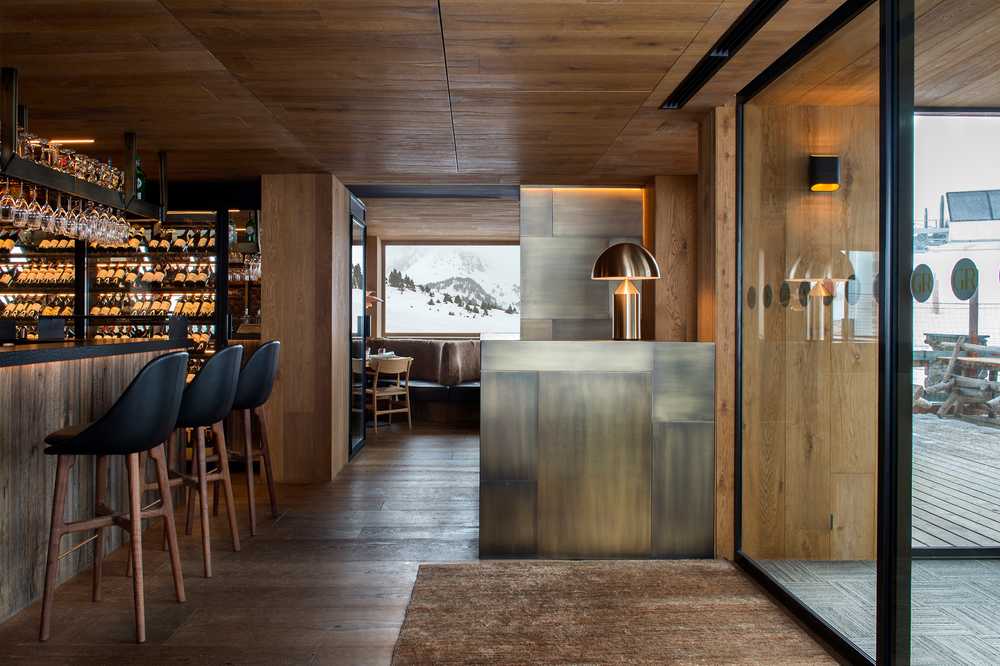
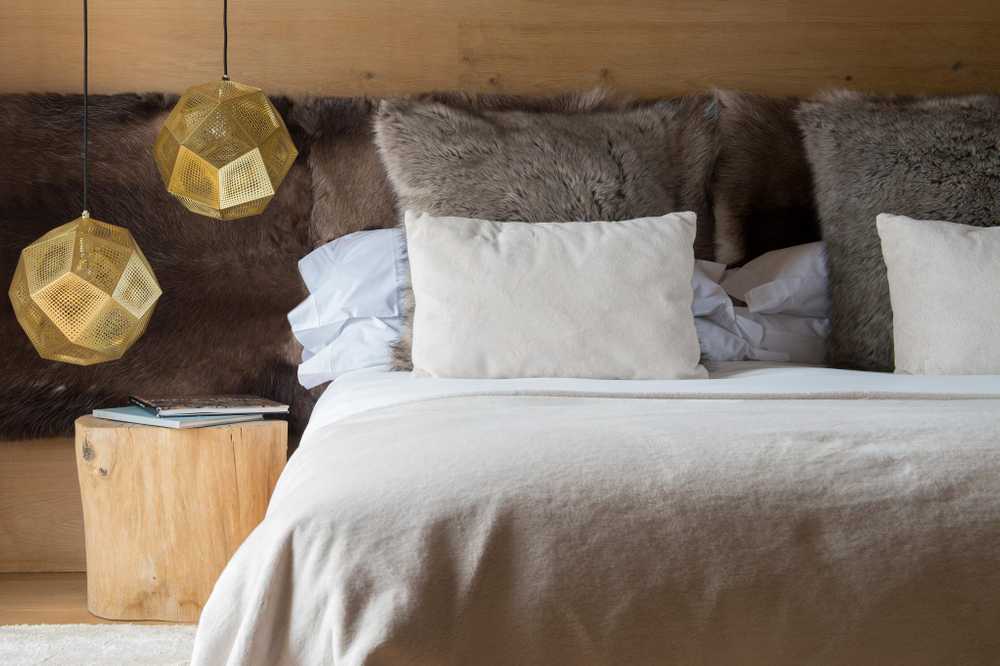
Rather than crenellated towers and intact walls, Andorra preserves the mark of its defensive past in two places of great historical interest, Roc d’Enclar and Les Bons, which explain clearly how this mountain territory was defended and who controlled it. If you are staying at Hotel Grau Roig, which appears in the MICHELIN Guide, you can visit both in a single day.
The two places you should know
- Sant Vicenç d’Enclar Castle. These are the remains of a fortified enclosure on a rocky outcrop overlooking Santa Coloma, in Andorra la Vella. It is the site with the most history.
- Les Bons. In Encamp, an old defensive tower and the Romanesque church of Sant Romà share an outcrop above the valley. Here a tower is still standing.
A historical key
To understand what you see, it helps to look at the country’s political history. The pariatges signed at the end of the 13th century between the Bishop of Urgell and the Count of Foix, in 1278 and 1288, set out how power over Andorra was shared. The 1288 agreement had a direct impact on Enclar Castle, as you will see below.
Sant Vicenç d’Enclar Castle: a medieval treasure in Andorra
Also known as Enclar Castle, this site was in use for centuries, long before the medieval castle took shape. What you see today are archaeological remains and a church, not a complete fortress.
A long timeline
According to the Enciclopèdia Catalana, the area was already important for wine-growing in Roman times. These are the hill’s key moments:
- 4th-5th centuries. The hill becomes a fortified castellum, possibly to control a pass and the Pyrenean populations. The southern half of the plateau, some 5,600 m², is fortified with a wall or palisade and square towers.
- 6th-8th centuries. It serves as an administrative centre, perhaps linked to the Bishop of Urgell, and as a refuge for the population.
- After the Carolingian conquest. It becomes a symbol of the power of the Frankish rulers and local counts.
- 1190. A document records that it was badly neglected and needed rebuilding, at least in part.
- From 1265. Count Roger Bernat III of Foix drives a major reconstruction of the enclosure, with military, administrative and residential functions.
- 1288. The pariatge halts the work, which was never finished, and orders the castle’s demolition, especially the tower and the gate.
The church of Sant Vicenç d’Enclar
Next to the remains stands the church, with a rectangular plan and square apse, and a circular bell tower set against the south wall of the nave. It was restored some years ago to bring back its original appearance. Official sources disagree on its date: the Andorra la Vella tourist office places it at the end of the 7th century and presents it as the country’s oldest church, while Visit Andorra gives the 9th century as the most likely date.
It has one curious detail: an Arabic inscription wishing good health to the faithful, according to the tourist office, the only trace of Caliphate influence in Andorra.
What the excavations found
Excavations documented remains of the wall, at least two possible late antique towers and, from the late medieval castle, the entrance gate, residential and service buildings and a main tower with chambers. They also unearthed grey pottery dated between the 4th and 11th centuries, needles, knives, loom weights and small glass ampoules in several tombs.
Fortresses in the mountains: the defensive role of Andorra’s castles
These buildings did not end up where they are by chance. Enclar sits on a hill overlooking Santa Coloma, and Les Bons controls the entrance to the valley heading north. Both rely on the same thing: a high, rocky point from which to watch the passage below.
More than military defence
The case of Enclar shows that a fortified enclosure could serve several purposes at once. It was a checkpoint, an administrative seat, a refuge for the population and a symbol of power. Its history as a castle ended with a political decision: the 1288 pariatge, which stopped the work and ordered the demolition.
Not to be confused
In the same Santa Coloma area you will see the so-called Torre dels Russos, and the name can be misleading. It is not a defensive tower, but a private house from the early 20th century, designed by Cèsar Martinell, which cannot be visited inside. It fits better on a route about Modernisme in Andorra.
Andorran defensive architecture: materials and techniques
The best practical lesson comes from the Les Bons tower, also known as the Torre dels Moros and listed as an Asset of Cultural Interest. Visit Andorra dates it to the 14th century, and the Castells Catalans record considers it very possibly later than the 13th century, although there is no documentary evidence.
How the tower was built
- Rock as a foundation. It was raised on a rocky ledge that had to be hollowed out and levelled. The ground floor is carved into the rock, except for the south-west corner, and paved with slate slabs.
- Square plan and four floors. The walls were rendered with lime on the outside.
- Entrance by a bridge. Access was by a bridge on the west side, of which only the springing of the first arch survives.
- Narrow openings. The upper floors have arrow slits, as well as two almost square windows on the first and second floors.
- Defence from above. The third floor has a row of arrow slits and two machicolations, one of them double.
- Daily life. On the first floor there are remains of a drain carved from limestone, and on the third a projecting latrine.
The tower was probably part of a fortified house, now in ruins, located next to the church. The type of roof is unknown, though it is thought to have been wooden.
The church of Sant Romà de les Bons
The complex is completed by the 12th-century church: a rectangular nave with a barrel vault, a modern porch, saw-tooth decoration above the door and Lombard arches on the apse. It has a 16th-century mural of Christ in Majesty and a reproduction of the Romanesque paintings by the Master of Santa Coloma, most of whose originals are at the MNAC in Barcelona. If this heritage interests you, continue with this selection of Romanesque churches in Andorra.
Routes around Andorra’s castles: how to visit them
Climbing up to Roc d’Enclar
You can only get there on foot. Set off from Carrer dels Barrers in Santa Coloma on a path between quarries that takes around 30 minutes. At the Sant Vicenç pass, the left-hand branch leads to the church and the archaeological site. In summer there are guided tours, booked through the Andorra la Vella Tourist Office.
If adventure appeals to you, Roc d’Enclar also has a free-access via ferrata of moderate difficulty, 270 m long, with around two hours of climbing. You must bring your own safety equipment.
The Santa Coloma and La Margineda Heritage Arc
To see Enclar in more context, this route of about 5 km on tracks and paths, open all year, links the church of Santa Coloma, Roc d’Enclar, the Torre dels Russos and the Pont de la Margineda, a medieval bridge from the late 14th or early 15th century. In July and August it runs as a guided tour, with limited places at €3, so it is worth booking.
Visiting Les Bons
Visiting the Les Bons complex is free. There are guided tours in summer, and the rest of the year they can be requested through the Encamp Tourist Office. While you are there, look out for the two modern dovecotes and the water tank dug into the rock.
What to do in winter
Winter is the high season in Grau Roig, and Les Bons, in Encamp, is an excellent choice for a morning off the slopes: ask about visits beforehand. The climb to Enclar, on the other hand, depends on the state of the path, so check with the tourist office. The hotel is ten metres from the Grandvalira lifts, so you can combine the visit with a day on the slopes.
Round off your trip
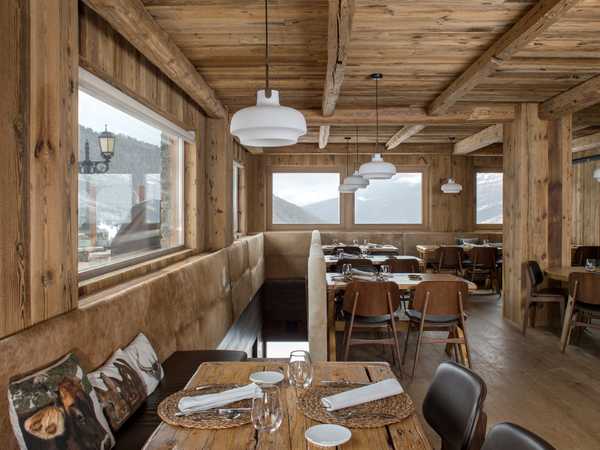
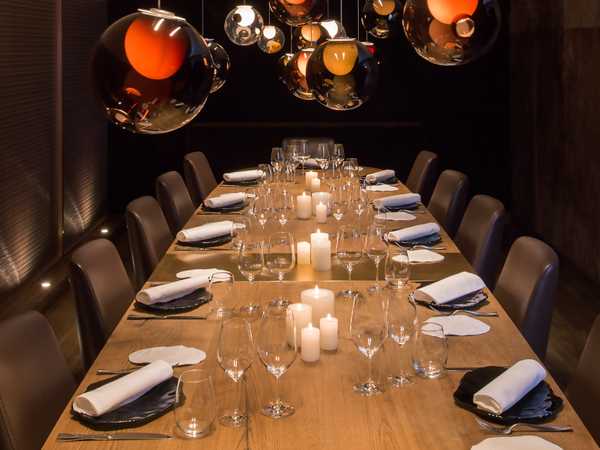
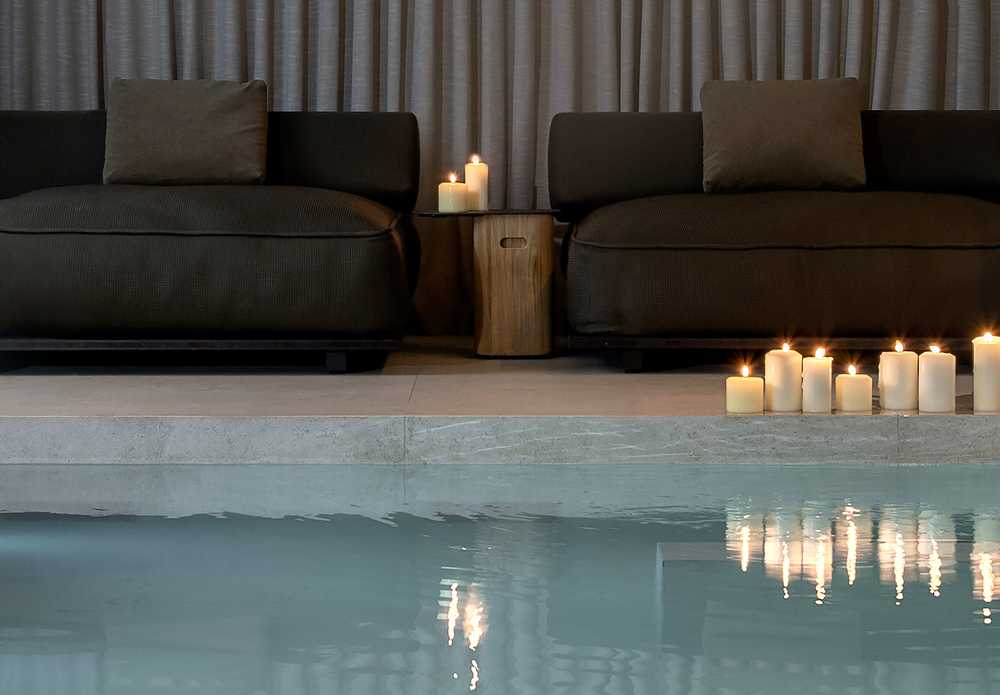
Back at Hotel Grau Roig you have the spa, included for guests, and five restaurants. If food interests you, see this guide to tasting menus. If you come in summer, add one of these hiking routes, and for the rest of your trip, see what to do in Andorra.