- Culture
- Adventure
Sacred art in Andorra: the best examples of Romanesque churches
What to see, where to go and how to plan your visit.
The history of sacred art in Andorra: a journey through its Romanesque churches
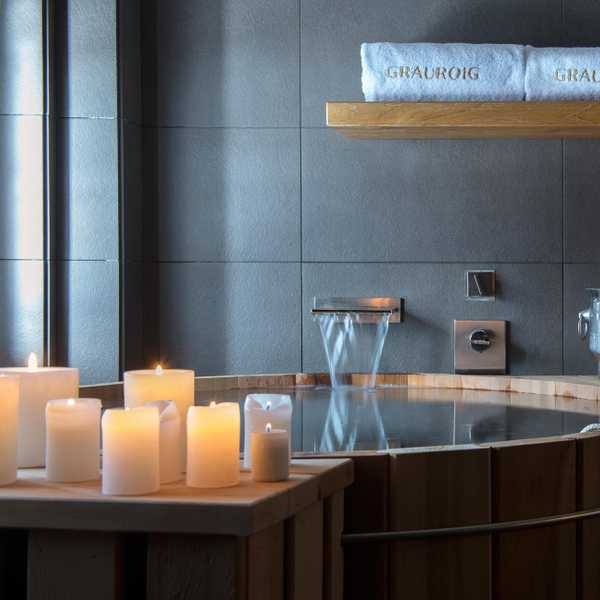
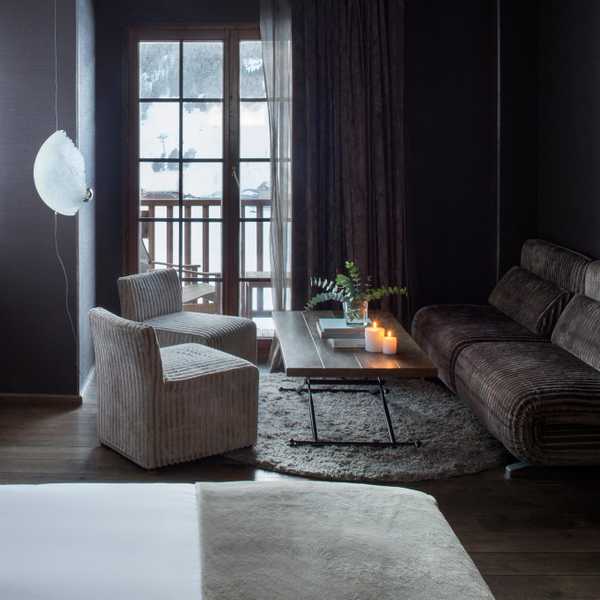
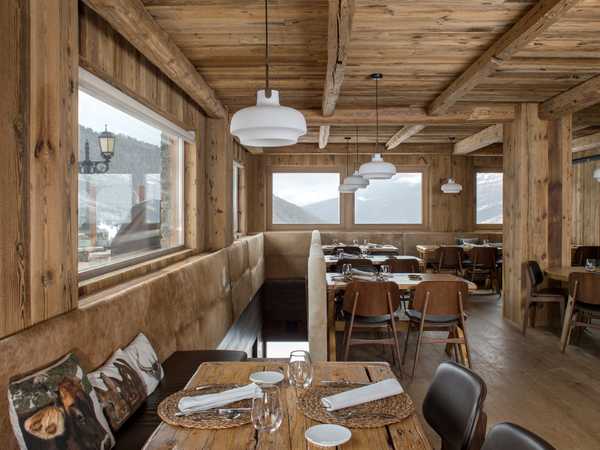
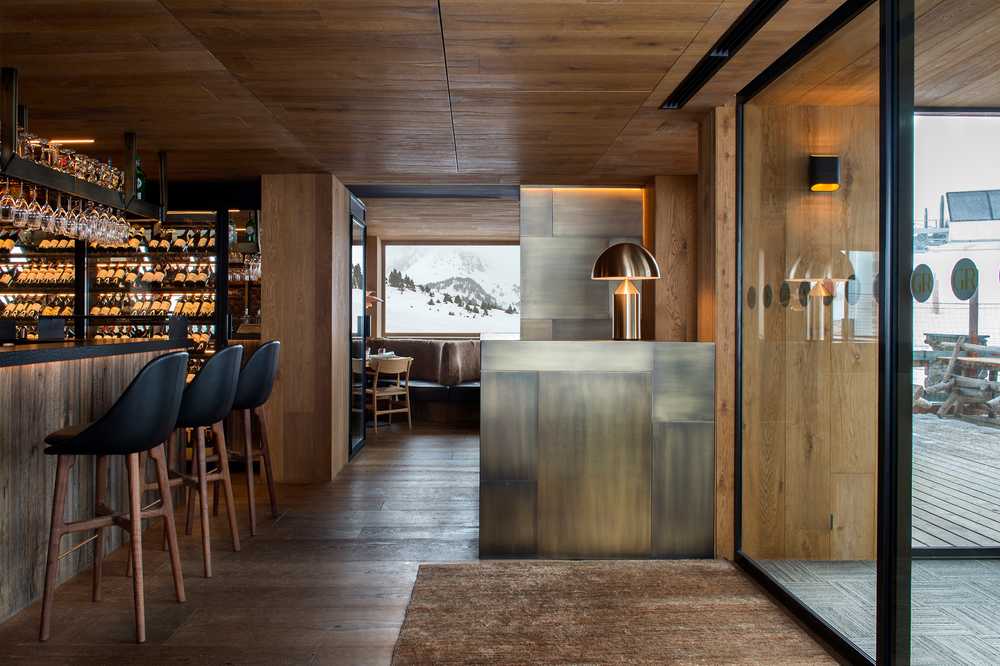
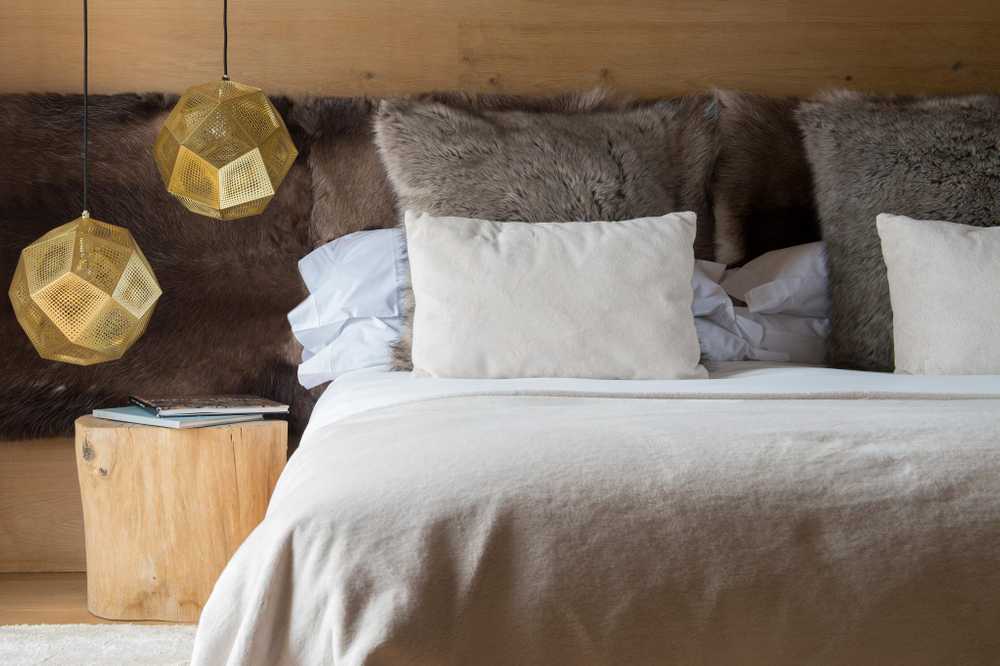
Sacred art in Andorra is best appreciated in its Romanesque churches. Visit Andorra counts more than 30 in the country, with monuments from the 11th and 12th centuries spread across almost every parish. They are small stone buildings, many of them at the top of a village, and you can visit them in a couple of days. If you are staying at Hotel Grau Roig, which appears in the MICHELIN Guide, several are a short distance away, heading down the CG-2 towards Canillo and Encamp.
A heritage studied for more than a century
These churches soon caught the attention of specialists. The architect Josep Puig i Cadafalch included Sant Miquel d’Engolasters, Santa Eulàlia d’Encamp, Santa Coloma and Sant Joan de Caselles in his work L’arquitectura romànica a Catalunya, published between 1908 and 1918.
The restorations that explain what you see today
Much of what you see today is the result of 20th-century restoration. The architect César Martinell worked on Santa Coloma and Sant Joan de Caselles in 1934 and 1935. At Santa Coloma, the bell tower was repaired, the twin windows were reopened and the original horseshoe arch was exposed. He came back in the 1960s, hired by the Consell General, and wrote reports on churches across the country.
Main features of Romanesque art in Andorra’s churches
Andorran Romanesque is sober and highly recognisable. With a few clear features in mind, each visit will tell you much more.
The architecture of the Romanesque churches
The usual layout is a single nave, sometimes rectangular, sometimes trapezoidal as at Sant Joan de Caselles, with a semicircular apse. The most striking part is outside: the Lombard-style bell towers. Look for their twin windows with round arches and count the storeys. Santa Eulàlia d’Encamp has the tallest Lombard tower in the country, at 23 metres and three storeys.
Mural decoration
The wall paintings are the great jewel of this heritage. Many are linked to the so-called Master of Santa Coloma, a name that does not refer to a single author but to a way of working shared by several artists on both sides of the Pyrenees, with a Roman-Lombard tradition and Byzantine influence. Murals from the late 12th century survive at Sant Martí de la Cortinada, and at Sant Serni de Nagol the Romanesque paintings are the church’s best-known feature.
Sculptures and ornaments
Look out for the small carvings too. Our Lady of Remedies at Sant Corneli i Sant Cebrià, in Ordino, is a polychrome carving just 44 centimetres tall, dated to the 11th and 12th centuries. At Sant Climent de Pal there is another Our Lady of Remedies, from the 13th century. And at Sant Miquel d’Engolasters you will see sculpted heads between the window arches of its 17-metre tower.
Ironwork
Ordino had forges for centuries, and it shows: all the grilles at Sant Corneli i Sant Cebrià came from them between the 17th and 19th centuries. In the side chapels of Sant Martí de la Cortinada, Visit Andorra also highlights the work of Andorran metal workshops.
Culture and tradition
These churches are still part of village life. The country’s principal place of devotion is the Meritxell sanctuary, in Canillo, dating from 1976, the work of Ricardo Bofill’s Taller de Arquitectura. It replaced the Romanesque chapel damaged by fire in 1972, and Pope Francis granted it the status of minor basilica in 2014. It is not Romanesque, but it houses Andorra’s patron saint, celebrated on 8 September.
List of the most iconic Romanesque churches in Andorra
If you are short of time, these are the stops not to miss. They are listed from Grau Roig heading south.
Sant Joan de Caselles (Canillo)
This is the first you come to leaving Grau Roig, right by the main road. It was built between the 11th and 12th centuries and has a trapezoidal floor plan, a semicircular apse and a bell tower separate from the nave. The porches, from the 16th and 17th centuries, are very well preserved. Inside there is an altarpiece with Renaissance influences and Romanesque murals.
Santa Eulàlia d’Encamp and Sant Romà de les Bons (Encamp)
Santa Eulàlia, in the centre of Encamp, preserves a baptismal font and Baroque altarpieces from the 17th and 18th centuries. The Museum of Sacred Art is a few metres away. Sant Romà de les Bons is part of the Les Bons historic site and is the only church in the country with a Lombard-style semicircular apse. Inside are copies of paintings by the Master of Santa Coloma.
Santa Coloma (Andorra la Vella)
Pre-Romanesque in origin, it was built between the 13th and 14th centuries and altered later. Its circular bell tower, almost 18 metres high, is the most famous image of Andorran Romanesque. In the apse, a six-minute video mapping show recreates the murals that once decorated it.
Sant Climent de Pal and Sant Cristòfol d’Anyós (La Massana)
Sant Climent, from the late 11th and early 12th centuries, has a three-storey Lombard bell tower, a Baroque altarpiece and a granite baptismal font. Sant Cristòfol d’Anyós, from the 12th century, stands on a hill at about 1,300 metres, with 16th-century paintings and views over Sispony, Ordino and La Massana.
Other stops
If you have time left, add Sant Miquel d’Engolasters, beside the lake of the same name, and Sant Esteve, in the old town of Andorra la Vella, whose 13th-century apse is the largest in Andorra. To finish with something different, Sant Pere Màrtir, in Escaldes, is Neo-Romanesque, from 1956, and the Canòlich sanctuary, at 1,635 metres, has a statue of the Virgin from the 11th century.
Architectural and artistic details of sacred art in Andorra
Some of the best pieces are no longer in the churches. To see the full picture you need to include two museums.
Espai Columba
A few metres from Santa Coloma, this museum displays the church’s Romanesque murals, painted in the 12th century, and two fragments from Sant Esteve: the Kiss of Judas and the Flagellation of Christ. It also holds pieces such as the Cross of Sant Serni de Nagol and the Christ of Sant Martí de la Cortinada.
Encamp Museum of Sacred Art
It stands next to Santa Eulàlia, so the most practical plan is to see both at the same stop. Check the opening times before you go, to avoid finding it closed.
A critical eye
Bear in mind that not everything that looks Romanesque actually is. At Sant Martí de la Cortinada, Martinell designed a new apse and a south window in 1969, according to an article published in Altaveu. The exterior render was also removed from several churches, so the bare stone that seems so typically Romanesque to us today is partly a modern decision.
Tips for visiting the Romanesque churches of Andorra
Visiting hours differ from one church to another, so plan your route a little in advance.
Opening times and bookings
According to Visit Andorra, the churches are free to enter, except Santa Coloma, which is visited together with Espai Columba. Opening times vary: check the calendar at museus.ad, email reservesmuseus@govern.ad or ask at the tourist office in each parish.
When to go
July and August are the best time. In 2026, from 1 July to 31 August, the Romànic de Bat a Bat programme opened Sant Joan de Caselles, the Meritxell sanctuary, Sant Romà de les Bons, Sant Climent de Pal, Sant Miquel d’Engolasters and Santa Coloma, with guided visits. Check the dates for each year.
In winter
You can also do this during the ski season. Set aside an afternoon or a day off the snow and combine Sant Joan de Caselles, Encamp and Espai Columba, by appointment. Drive with due care and check the road conditions first.
How to combine it with the mountains
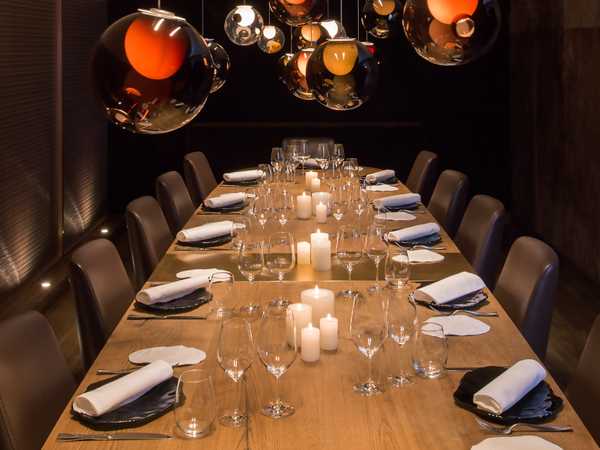
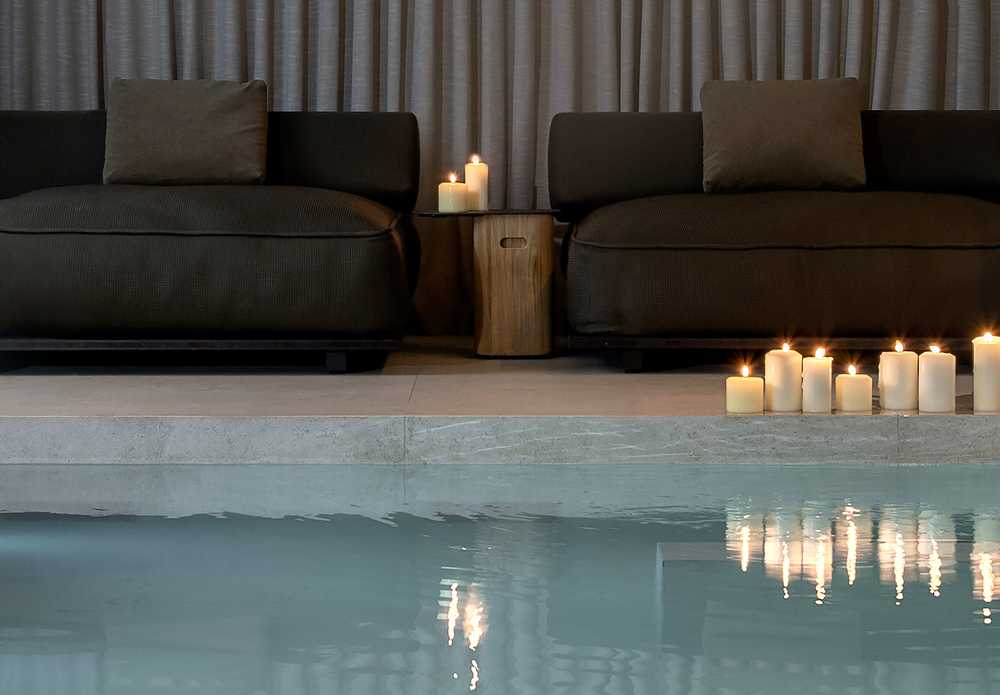
The church of Sant Martí de la Cortinada marks the end of the Iron Route, one of the simplest hiking routes in Andorra. And back in Grau Roig you have the spa and five restaurants, from La Vaquería to El Teatro del Vino, without getting back in the car.