- Culture
- Adventure
Casa Cristo Ethnographic Museum: hidden treasures in Encamp
A day labourers’ home in the centre of Encamp
Discover the hidden treasures of the Casa Cristo Ethnographic Museum
The Casa Cristo Ethnographic Museum stands in the centre of Encamp, at number 2, Carrer dels Cavallers. Don’t expect display cases or grand halls: this is a narrow three-storey home, built in the late 18th century, which keeps its original layout and much of what it held. It shows something the postcards of Andorra leave out, namely how the country’s poorest people lived little more than a century ago.
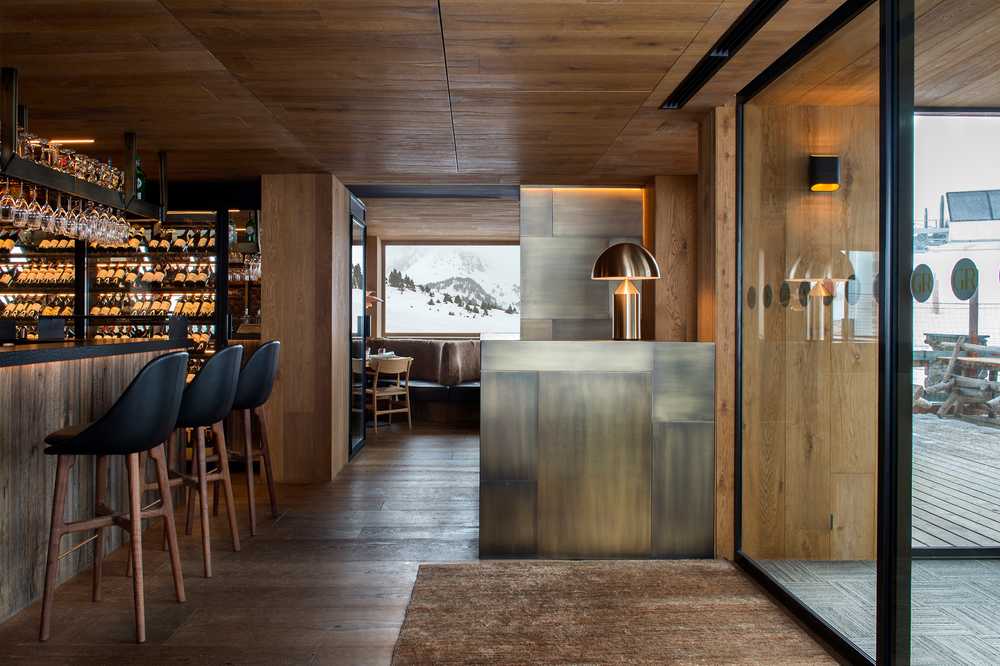
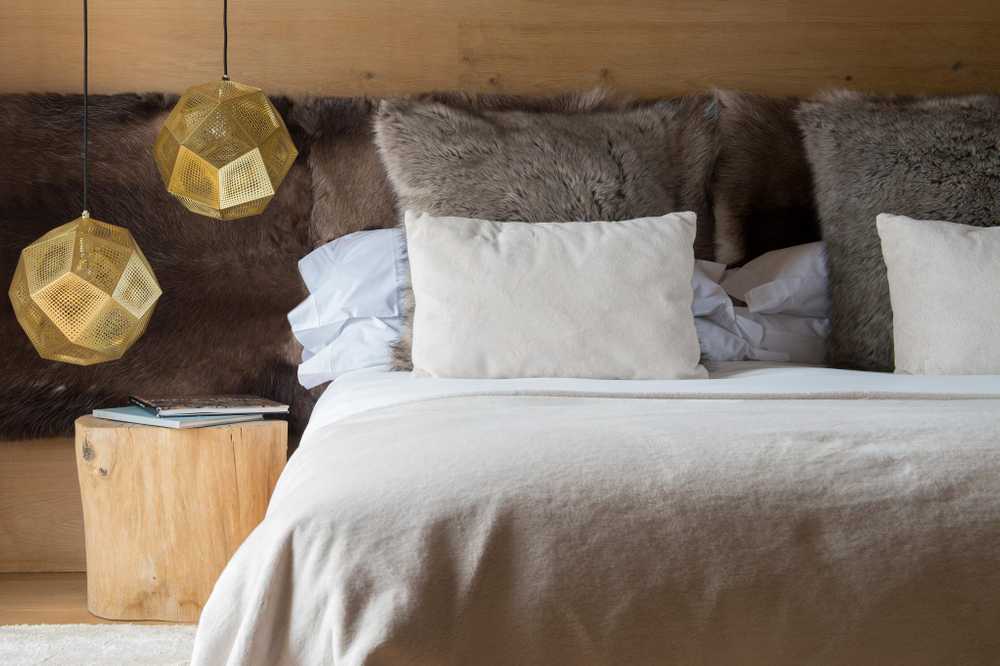
Encamp and Hotel Grau Roig share a parish and a postcode, AD200. That makes this visit an easy fit for a mountain stay, especially on a day off the slopes or when the weather turns. The hotel is listed in the MICHELIN Guide and sits in the Grau Roig sector of Grandvalira, so you can mix culture and snow in the same week.
What makes this house special
Many museums of this kind show the home of a powerful family. This one does the opposite. According to Visit Andorra, it was home to a family of landless day labourers. Everything revolves around a hearth where they gathered, in very little space.
- It is a genuine house, not a reconstruction: it keeps its original layout and features.
- You go round it with a guide, and the tour draws on stories about the family.
- Tours are given in Catalan, Spanish, French and English.
A visit that fits your stay
The museum is small and numbers are limited, so it is worth booking. It welcomes individuals and groups of all ages. The house also runs special tours and events on set dates during the year, so ask what is on during your trip.
History and origins of the Casa Cristo Ethnographic Museum
Official information from Museus d’Andorra dates the building to the late 18th century. What you see today mostly belongs to a later period: the life of a humble family between the end of the 19th century and the start of the 20th.
The key date is 1947. That year its last residents left for France and the house stopped being a permanent home. Official sources differ on one detail: some speak of tenants, others of owners who kept it as a second home.
The next important date is 1995, when the Comú d’Encamp, the parish council, bought and restored it. It opened as an ethnographic museum in 2000. The renovation kept its layout and most significant features, which is why it still feels like a house that has only just been left behind. Today it is listed as part of Andorra’s cultural heritage.
Why it is so narrow
The shape of the house comes down to one simple limit: the plot was small. To gain space, it was built upwards, with a ground floor and two storeys above. That choice shapes the whole visit, because every room had a clear purpose and nothing was spare.
The main attractions of the Casa Cristo Ethnographic Museum
The best of Casa Cristo lies in the small things: ordinary objects that show how daily life was managed. These are the ones the official sources mention.
The slab sink
A sink cut from a single slab of stone. In a house without luxuries, a piece like this says a lot about how local materials were put to use.
The secret drawer
The family used it to hide their money. Having so little, and hiding it with such care, sums up the household’s finances rather well.
The century-old christening gown
It is kept in a cupboard with the white linen. More than a hundred years old, it is a reminder of the weight religion carried in the family’s life.
The fireplace and the upstairs room
The fireplace was where the family gathered, and it is where guides tend to tell their stories. On the top floor is the room used for social occasions and celebrations, kept for special days. The cellar or pantry and the store for farm tools complete the spaces listed in the official description.
Secrets and curiosities of the Casa Cristo Ethnographic Museum
The account published on Mainly Museums adds details from a real visit, which may vary with the guide and the day.
- Ground floor: part workshop, part pantry and part shelter for the family’s few animals, with winter clogs and buckets for carrying water.
- Upper floors: a kitchen and dining room, a sitting room, bedrooms and a loft for drying fruit.
- Bedrooms: plain woollen clothing, religious objects and charcoal warmers for the sheets.
- Household recycling: soaps made from animal fat, leather flasks and containers made from reused tins.
- Pine cone liqueur: the account says the guide talked about this homemade drink but would not reveal the recipe.
Three houses to compare
Casa Cristo is part of the Rural Habitat Circuit, which shows how life changed according to each family’s standing. Casa d’Areny-Plandolit in Ordino shows the opposite extreme: a high-society family involved in politics and owning one of the country’s leading ironworks. Casa Rull, in Sispony, was home to the Perich family, farmers with land of their own, with large rooms upstairs and a ground floor given over to farm work. Seen one after another, the differences need no explaining.
Encamp beyond the museum
You can pair Casa Cristo with other visits in the same parish:
- Church of Santa Eulàlia: Romanesque in origin, with a 23-metre bell tower, next to the Sacred Art Museum. If the subject appeals, carry on with our guide to sacred art in Andorra.
- National Automobile Museum: around 80 cars, 60 motorcycles and 100 bicycles, with exhibits going back to an 1885 Pinette steam engine.
- Sant Romà de les Bons: a church of Romanesque origin in the historic Les Bons complex, with views over the valley.
- Dovecotes and Torre dels Moros: in the historic centre of Encamp.
How to plan your visit to the Casa Cristo Ethnographic Museum
This is the information published by Museus d’Andorra. Check it by phone before you go, as it can change.
Opening hours
- September to June: Tuesday to Saturday, 9:00 to 13:30 and 14:30 to 18:00.
- July and August: every day, 9:30 to 19:00.
- Last admission: 30 minutes before closing.
Tickets
- Adults: €5.40.
- Children, students, teachers and pensioners: €3.20.
- With Passmuseu: €2.70, which is a 50% discount.
Booking and contact
You can book on (+376) 833 551 or at casacristo@encamp.ad. If you can’t make it, or would like a look beforehand, there is a virtual tour of the house through Google.
Accessibility
The house is not adapted for people with reduced mobility. It has steep wooden stairs and low beams, so bear this in mind if you are travelling with someone who has difficulty getting around.
What to do in winter
Winter is the high season in Grau Roig, and the museum stays open from Tuesday to Saturday. You could set aside a morning for Casa Cristo and spend the afternoon in the snow, since the Funicamp gondola runs from Encamp up to the Grandvalira slopes. It also works the other way round, as a plan for a rest day between sessions of skiing or snowshoeing.
Back at the hotel
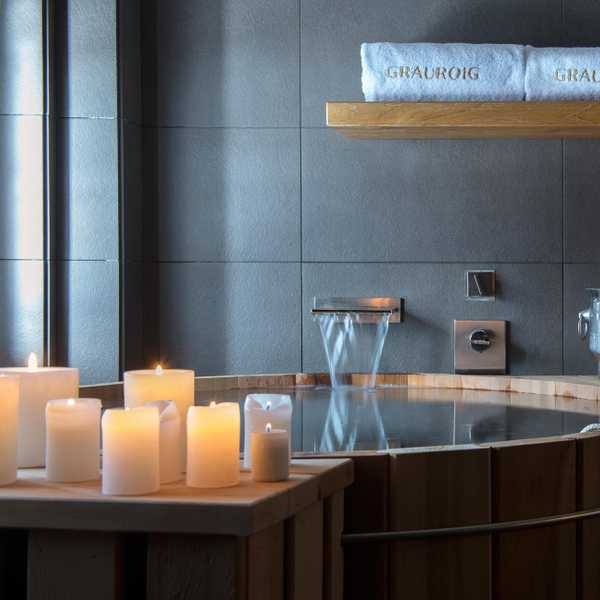
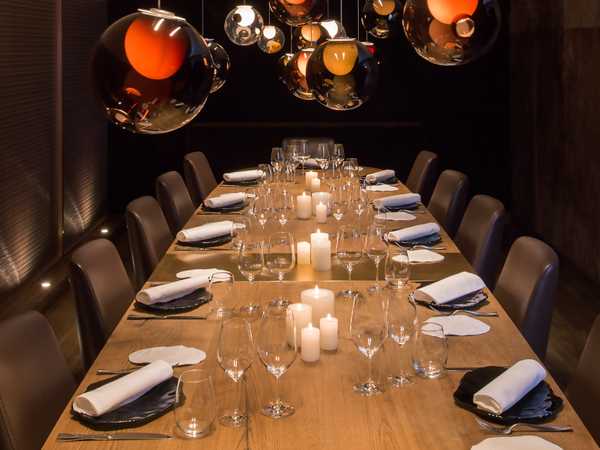
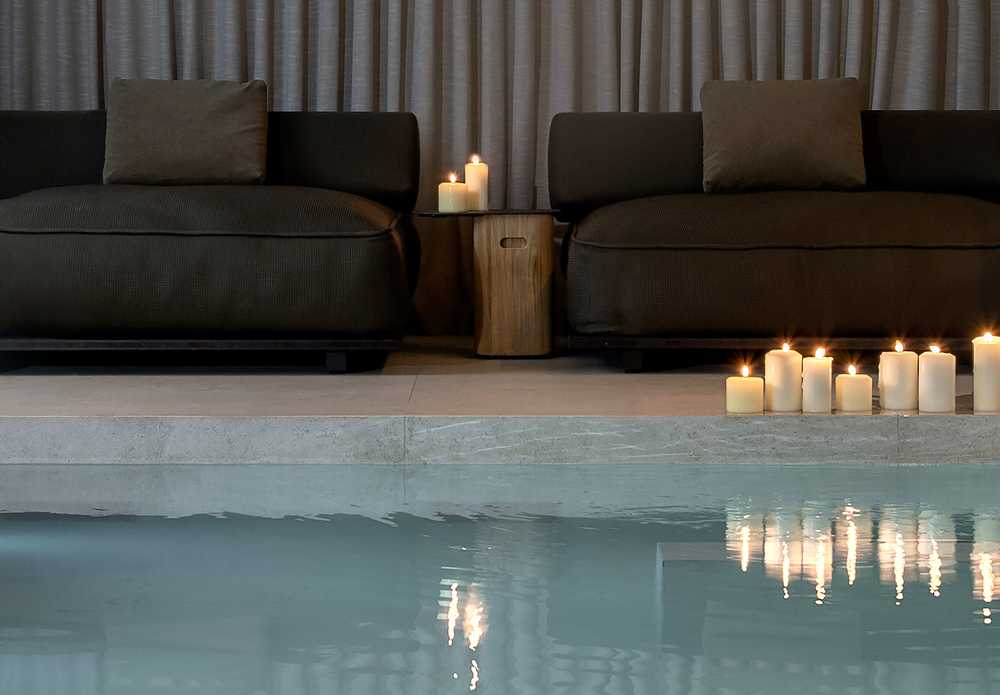
Afterwards, the hotel spa has a heated pool, a sauna and a Turkish bath, with free entry for guests. For dinner, the hotel has La Vaquería, El Teatro del Vino, La Marmita, La Fromagerie and Secret Room. If you have days left and want more ideas, take a look at what to do in Andorra.