- Culture
- Adventure
Literary tour of Andorra: writers, books and places
Introduction to a literary tour of Andorra
Andorra has more books behind it than you might expect. There are eighteenth-century law manuals, chronicles by French and American travellers, essays by Josep Pla and contemporary novels now being translated into other languages. This literary tour suggests you read the country first and then go and see it: which authors are worth knowing, which books to pack and which real places those pages lead you to.
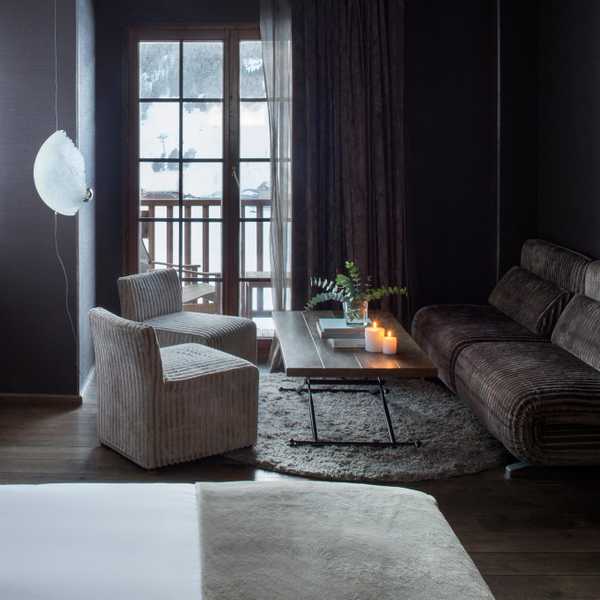
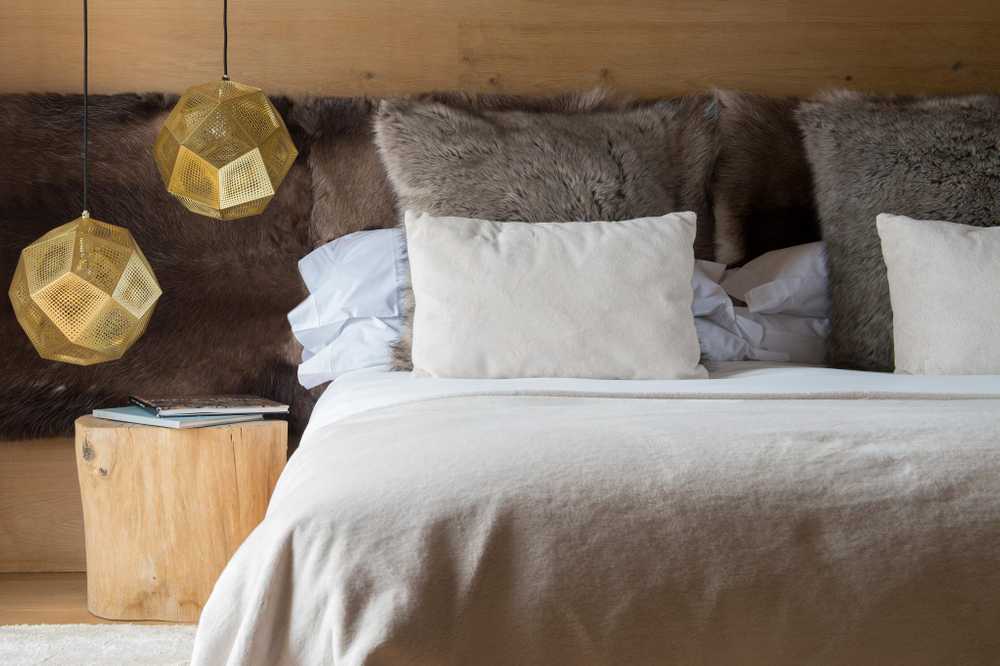
You can base yourself at Hotel Grau Roig, in the Grau Roig sector of Grandvalira, which is listed in the MICHELIN Guide. The idea works at any time of year, but winter has one advantage: you ski in the morning and head down in the afternoon to a church, a museum or a library.
The best starting point: an anthology by parish
If you only buy one book, make it the Andorra volume in the Geografia Literària collection, published by Pòrtic in 2024. It was prepared by the philologist Llorenç Soldevila, who finished it before he died, and it has a foreword by Vicenç Villatoro. It gathers texts by authors who have set their work in Andorra and arranges them by the seven parishes: Canillo, Encamp, Ordino, La Massana, Andorra la Vella, Sant Julià de Lòria and Escaldes-Engordany. It is, quite literally, a reading map.
What to bear in mind
Much of this writing is in Catalan, the country’s official language, although translations exist. Obaga, by Albert Villaró, came out in Spanish as Guárdame las vacas and in French as Gardez-moi les vaches. It is worth looking up titles before you travel, because availability varies from one language to another.
- To begin with: Soldevila’s anthology.
- For fun: Obaga, a comedy about smuggling.
- To understand the country: the essays by Josep Pla and Percepcions d’Andorra, by Antoni Morell and Pere Figuereda.
Historic places in Andorra linked to its books
There is no signposted official literary route, so this itinerary is built from places that feature in the history of Andorran literature or that help you make sense of it. They are spread around the country and easy to reach by car.
Meritxell Sanctuary
In 1874 the Jesuit Lluís Ignasi Fiter i Cava anonymously published a Història de Nostra Senyora de Meritxell. The church you see today is a different one: a fire destroyed the statue and much of the sanctuary on 8 September 1972, and the new building is the work of Ricardo Bofill. The old one was restored as an exhibition space, Meritxell Memòria. In 2014 Pope Francis gave it the title of minor basilica, the only one in the Principality. Our Lady of Meritxell is the patron saint of Andorra and her feast day falls on 8 September.
Sant Joan de Caselles
As you leave Canillo towards France, beside an old road, this eleventh and twelfth-century church deserves a stop. It has a rectangular nave, a semicircular apse, a Lombard bell tower and the remains of a Romanesque stucco Christ in Majesty. Entry is free; check opening times with the Canillo tourist office. If you want to see more, take a look at our guide to Andorra’s Romanesque churches.
Casa de la Vall and the National Library
The country’s first library was founded on 8 September 1930 in the hall known as the sala dels passos perduts (hall of lost steps) at Casa de la Vall, in Andorra la Vella, on the initiative of the Sociedat Andorrana de Residents a Barcelona. Today the National Library is in Encamp, in the former Hotel Rosaleda at Avinguda François Mitterrand 13, a building of national cultural interest. It holds the legal deposit of everything published in the country.
Ordino
Joan Peruga, one of the best-known Andorran novelists, has a title that already makes you want to go: Last summer in Ordino. Make the most of it by walking round the village and stepping into Casa d’Areny-Plandolit, which takes you back to the stately Andorra of earlier centuries.
Authors and works linked to Andorra
The list is longer than this page allows, so here are the names that give you a complete picture, from the early travellers to the authors publishing now.
The first chroniclers and travellers
The founding text is the Manual Digest by Antoni Fiter i Rossell, from the eighteenth century, which the Consell General reissued in facsimile in 1987. In 1763 the priest Antoni Puig wrote the Politar Andorrà. Then came the outsiders. The Frenchman Pierre-Roch Roussillou wrote De l’Andorre in 1823, the first complete monograph on the Principality. Gaston Vuillier published Le val d’Andorre in 1888, and the American Bayard Taylor wrote The Republic of the Pyrenees in 1867. Imogene Warder, also American, described her journey in On foot through Andorra in 1937. Among the Catalans, Jacint Verdaguer left writings on the country, as did Valentí Almirall, while Josep Aladern published his Cartas andorranas in 1892.
Josep Pla and Salvador Espriu
Josep Pla, who was not Andorran, devoted essays to the country in 1943, 1959 and 1973. Salvador Espriu’s case is different: his relationship with Andorra was mainly through letters. He wrote the text for an album of 25 photographs by Jean Dieuzaide, letters to Andorran officials and the foreword to Set lletanies de mort by Antoni Morell. In 1986 Banca Reig published Salvador Espriu i Andorra in Sant Julià de Lòria, with a selection of his texts and letters.
The Andorran novel today
- Antoni Morell (1941-2020): born in Barcelona, he was secretary general of the Government of Andorra and its representative to the Holy See. He wrote Set lletanies de mort (1983) and Borís I, rei d’Andorra (1984), and won the Carlemany Prize for fiction in 1999.
- Albert Salvadó (1951-2020): historical fiction, with the Nèstor Luján prizes of 1998 and 2005 and the Carlemany of 2002.
- Albert Villaró (1964): Obaga (2003), in which smuggling is an honourable trade, and L’any dels francs, on the Catalan counts’ expedition to Córdoba in 1010. He has won the Josep Pla (2014) and Prudenci Bertrana (2015) prizes.
- Joan Peruga (1954): in La república invisible (2004), a nineteenth-century traveller photographs the Cal Calones inn and, on developing the plate, finds a different image.
- Teresa Colom (1973): poetry and short stories. On tot és vidre won the FNAC Talent award in 2009 and Miss Keaton i altres bèsties the Maria Àngels Anglada prize in 2016.
Recommended literary itineraries in Andorra
Here are three ideas that fit into a single day. Allow enough time for the road and, in winter, check conditions on the pass before you set off.
Canillo and Encamp: faith, travellers and libraries
Start at Sant Joan de Caselles, carry on to Meritxell and finish in Encamp, outside the National Library. Encamp’s parish library also hosts events: in April 2026, together with the Associació d’Editors d’Andorra, it held a round table on new books with authors such as Joan Peruga. This is the easiest itinerary if you only have an afternoon after skiing.
The Andorra of Boris I
In July 1934 Boris Skossyreff proclaimed himself King of Andorra. It lasted about twelve days: the Guardia Civil arrested him on 20 July and he ended up expelled to Portugal. Morell turned the story into a novel and Jorge Cebrián has just published L’estafador que va ser rei d’Andorra (Anem Editors). Read it, then stroll round the historic centre of Andorra la Vella, stopping outside Casa de la Vall.
Smuggling, in fiction and in fact
Obaga takes place in an invented district, Lapena, with villages like Llobarca, though its mountains are reminiscent of north-west Andorra. To complement your reading, explore the smugglers’ legacy in Andorra and choose one of the hiking routes when there is no snow.
Tips for enjoying your literary tour of Andorra
1. Go for Sant Jordi if you can
23 April is the big day for books. In 2026 Andorran publishers presented more than 30 new titles in history, crime fiction, poetry and children’s literature. It is also a good moment to see the craft market and other events in the capital.
2. Follow the prizes
The Premi Carlemany, organised by the Government of Andorra and Grup 62 through Columna, is a useful guide to recent reading. The 2026 reading-promotion edition went to Toni Mata for El centre del món; the jury is made up of students aged 14 to 16.
3. Keep the evening for reading
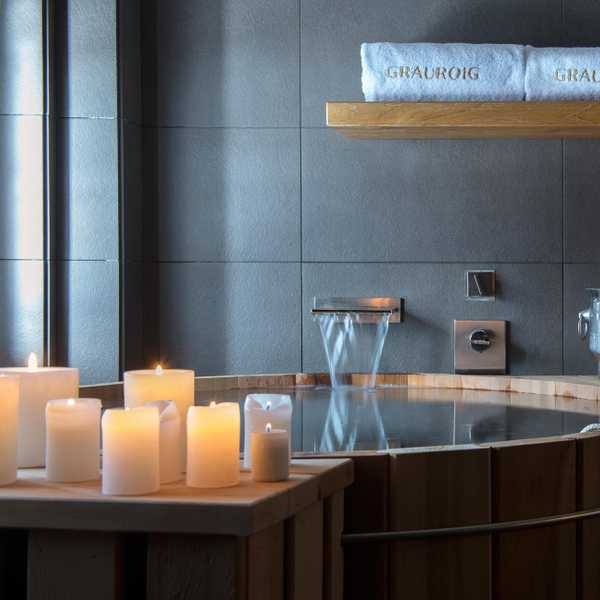
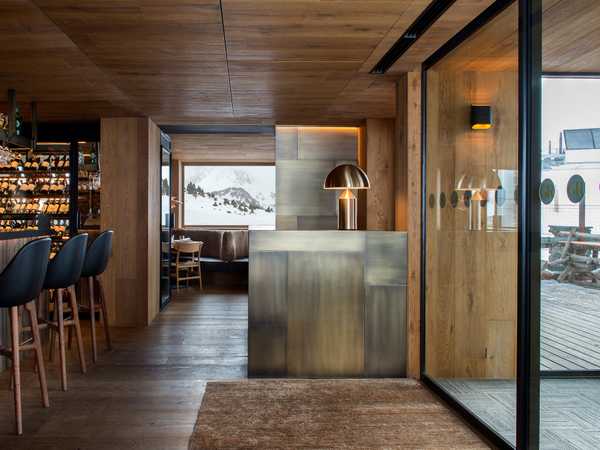
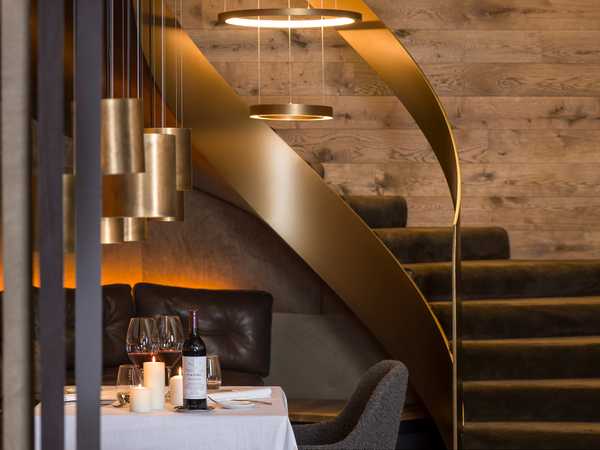
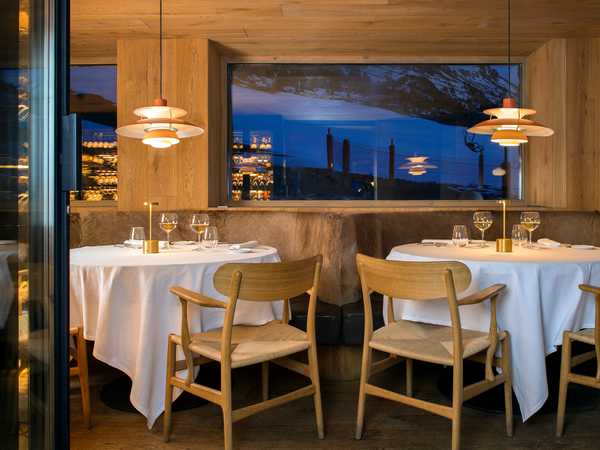
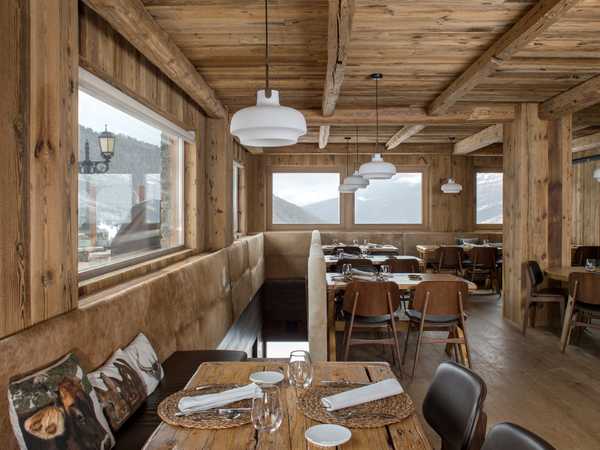
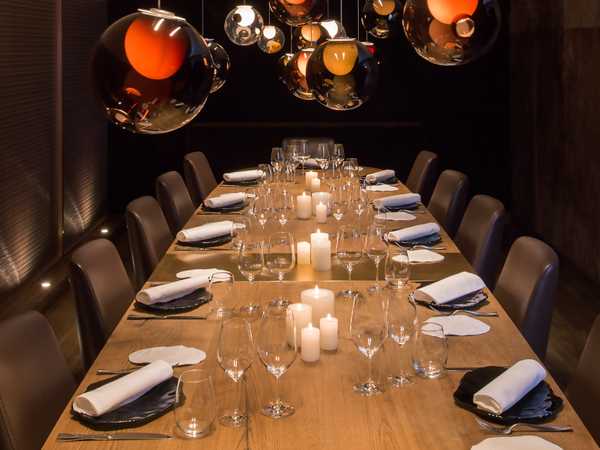
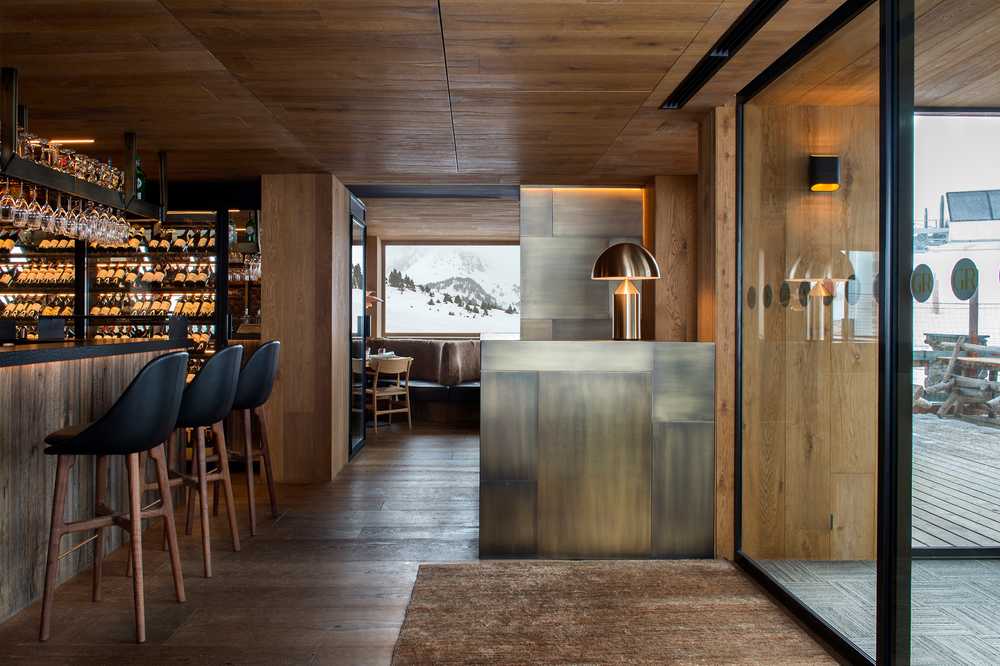
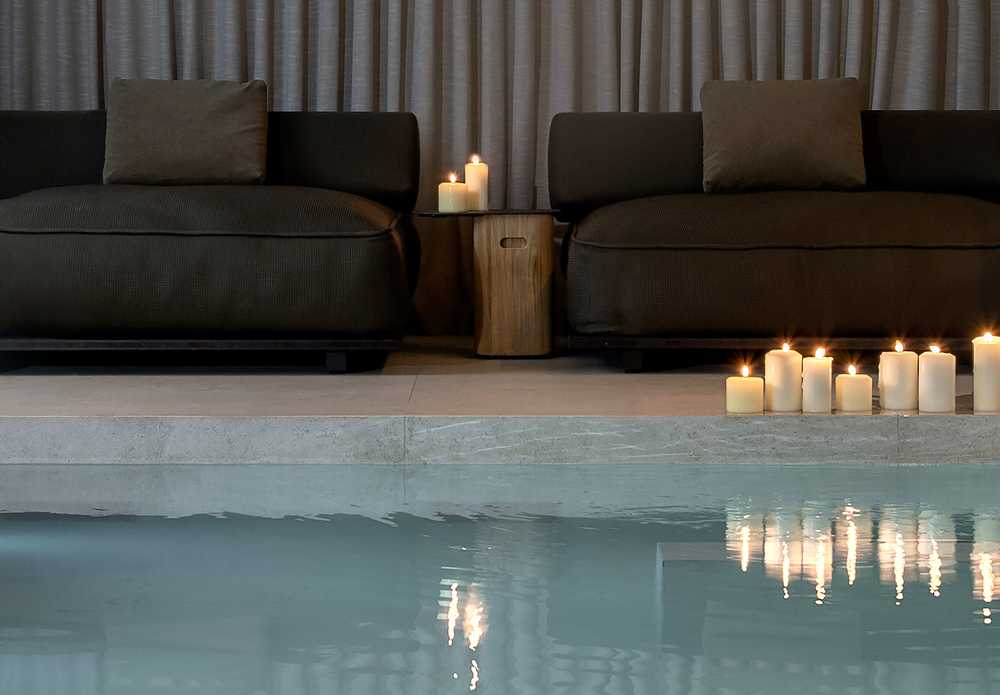
In winter it gets dark early, and that is the moment to take out your book. The hotel spa has a heated pool, sauna and Turkish bath, and is open from 10.00 to 21.00. Afterwards you can stop by the Copper Bar and have dinner at La Vaquería, El Teatro del Vino or La Marmita; you will find their menus under hotel restaurants.
4. Check opening times before you leave
Museums and churches change their hours according to the season. The country’s official museum website, museus.ad, and each parish’s tourist office can confirm them. For Sant Joan de Caselles, contact the Canillo office on (+376) 753 600.