- Culture
- Adventure
The legacy of Modernisme in Andorra: architecture and culture in the Pyrenees
What remains of that era and where to see it.
The rise of Modernisme in Andorra: historical and cultural context
Modernisme in Andorra does exist, but you have to know where to look. You will not find a whole city here as in Barcelona or Reus, just a few individual works, nearly all linked to Catalan architects who worked in the country during the 20th century. What is interesting is what came next: a local style of architecture in local stone, which changed the look of the valleys and which you can still explore in a day.
A country opening up to the outside world
To understand this moment you need to look at the changes of the early 20th century. Road building began at the start of the century, and from the 1930s the country went through a clear transformation, driven, according to Visit Andorra, by the boom in spa tourism, electrification, the seasonal emigration of young apprentice bricklayers and the arrival of renowned architects.
An influence from Catalonia
Catalan Modernisme reached Andorra late and in adapted form. The architects who worked here knew that tradition first-hand, but they had to build with other materials and for another climate. The result moves away from the urban fantasy of the great Barcelona works and towards the mountain house, with granite and slate.
Leading examples of Modernista architecture in Andorra
The list is short, which is why each building deserves a stop. These are the two that Visit Andorra cites as benchmarks of the period.
Casa dels Russos, by César Martinell
It stands in Santa Coloma, in the parish of Andorra la Vella, and dates from 1916. It is the work of César Martinell, a disciple of Gaudí, later known for his cooperative wineries in Catalonia. It was his first commission after qualifying in Barcelona, according to an article published in Altaveu. Visit Andorra explains that it uses local materials to adapt the features of Catalan Modernisme. It also has a curious story: in the early 1930s it was the home of Boris Skossyreff, the adventurer who proclaimed himself King of Andorra.
Casa la Creu, by Josep Puig i Cadafalch
Puig i Cadafalch, who designed the Casa Amatller in Barcelona and was a great scholar of the Romanesque, also left his mark on Andorra. Visit Andorra cites Casa la Creu, from the 1930s. A study by Enric Dilmé of his time in the country describes Casa Lacruz, in Escaldes, as his most important Andorran work: conceived as a hotel, it was redesigned as an apartment block with shops on the ground floor, with a trapezoidal plan, two upper floors and a steep slate roof.
Other work by these architects
Puig also worked on the church of Sant Esteve in Andorra la Vella between 1945 and 1952, with plans to enlarge it and a design for a doorway. Martinell, for his part, came back several times to restore Romanesque churches, as we explain in our guide to sacred art in Andorra. At the church of Santa Eulàlia d’Encamp he worked on the bell tower, a Lombard tower 23 metres high.
Artistic and cultural influences of Modernisme in the Pyrenees
The most visible legacy of this period is not strictly Modernista. It is the so-called granite architecture, which emerged in the 1930s and lasted until the 1960s.
Granite architecture
Its façades use local stone, so the buildings blend into the landscape. It is the Andorran version of an idea from elsewhere: making modern architecture with local materials. When you walk around Escaldes or Andorra la Vella, look at the façades from those years and you will soon recognise it.
Hotels and spas
Spa tourism left large establishments from this period, such as the Hostal Valira, the Hotel Carlemany and the Hotel Rosaleda. If you want to understand why they were built here, there is more background in our article on the thermal springs of Escaldes-Engordany.
Electricity and radio
Modernity also arrived in the form of infrastructure. From the same period come the FEDA building, linked to the arrival of electricity, the Ràmio dam and guard house, and the Radio Andorra broadcasting building. These are technical constructions, but they are part of the same story as the hotels and houses.
Leisure and urban life
The Valira cinema, and later the Carlemany, became centres of entertainment. The old Valira now houses the Escaldes-Engordany Art Centre, a good excuse to step inside a building from that time. Added to the list are private houses such as Casa Xurrina, Casa Vidal, Casa Palmitjavila and Casa Duró.
The impact of Modernisme on Andorra’s cultural identity
The influence of those decades shows above all in how the country has gone on building. The idea of combining the modern with its setting recurs in several later works.
20th-century churches
The church of Sant Pere Màrtir, in Escaldes, dates from 1956 and is Neo-Romanesque, with a granite façade decorated with ceramics and engravings of the Beatitudes by the sculptor Sergi Mas. Inside is an Immaculate Conception by Josep Viladomat. Later, Ricardo Bofill’s Taller de Arquitectura built the new Meritxell sanctuary, opened in 1976.
Caldea and recent works
In 1994 Caldea opened, designed by the French architect Jean-Michel Ruols, with its glass tower in Escaldes. It is a leap forward, but it follows the trail of the thermal water that had attracted the first visitors decades earlier. Then came the Pont de París in 2005, with two steel spheres 2.20 metres in diameter, and the Consell General building, opened in 2011 next to Casa de la Vall.
Architecture in the landscape
The latest works have headed for the mountains. The Roc del Quer viewpoint opened in 2016 in the Canillo valley, with a sculpture of a thinker by Miguel Ángel González. The Solar de Tristaina viewpoint is a circular metal structure 25 metres in diameter, at an altitude of 2,701 metres. And the Tibetan bridge in Canillo is 603 metres long and reaches 158 metres above the valley.
Routes and essential places for exploring Modernisme in Andorra
You can see all this independently and by car, with Santa Coloma and Escaldes as your anchor points. Private buildings are to be viewed from the outside, so please respect the people who live in them.
A route through Andorra la Vella and Escaldes
- Casa dels Russos: start in Santa Coloma, and take the chance to see the church with the circular bell tower.
- Sant Esteve: in the old town of Andorra la Vella, close to Casa de la Vall and the Consell General.
- Pont de París and Sant Pere Màrtir: two different eras within the urban area.
- Escaldes-Engordany Art Centre and Caldea: the old cinema and the great icon of 1994, to finish in Escaldes.
A route towards the mountains
If you are coming from Grau Roig on the CG-2, you can do it on the way back: Santa Eulàlia d’Encamp, the Meritxell sanctuary, the Roc del Quer viewpoint and the Tibetan bridge in Canillo. Summer is the most comfortable time for this plan.
If you are coming in the ski season
Winter is the high season in Grau Roig, but the urban route is still a good idea for a day of bad weather or a rest day. Set off after breakfast, have lunch in Escaldes or Andorra la Vella, and get back in time for the spa.
Where to stay
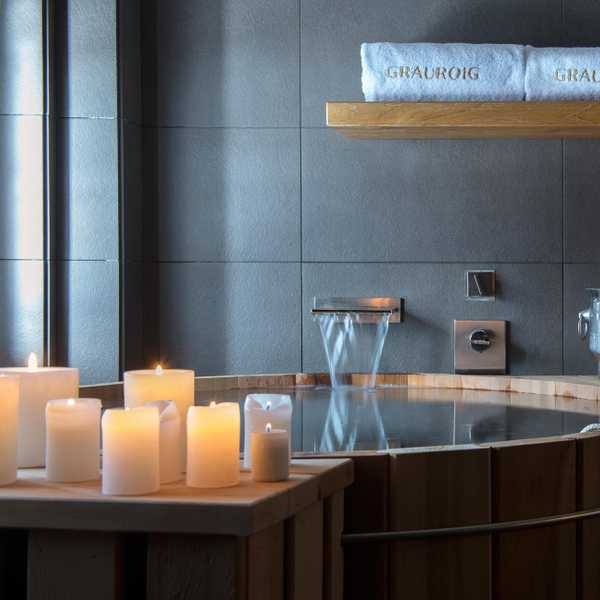
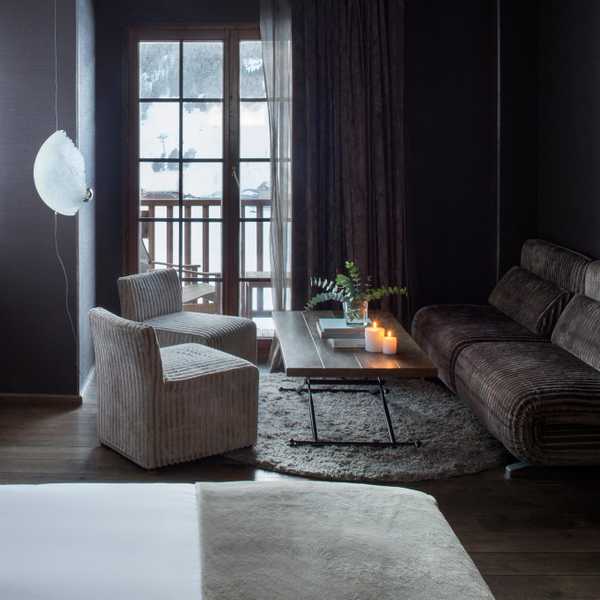
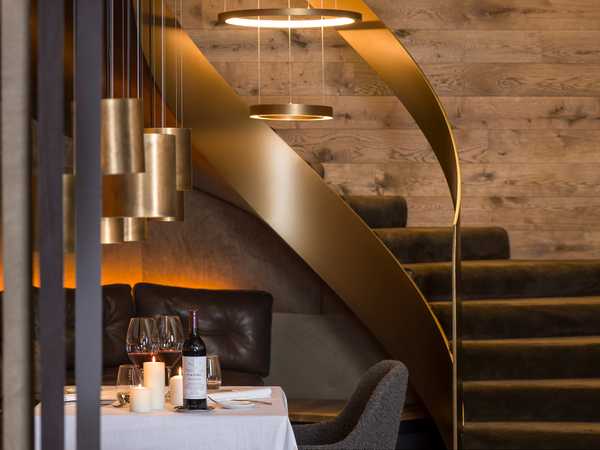
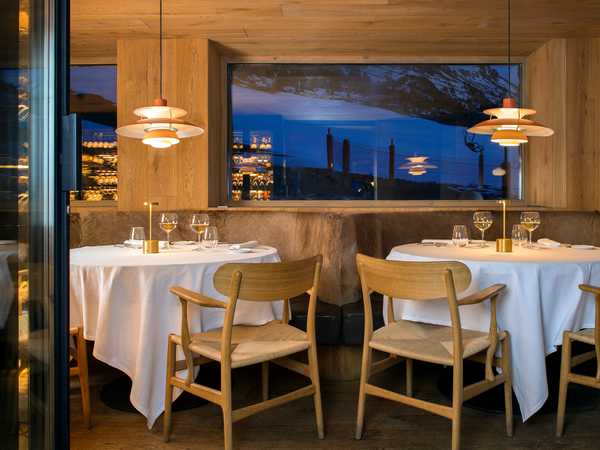
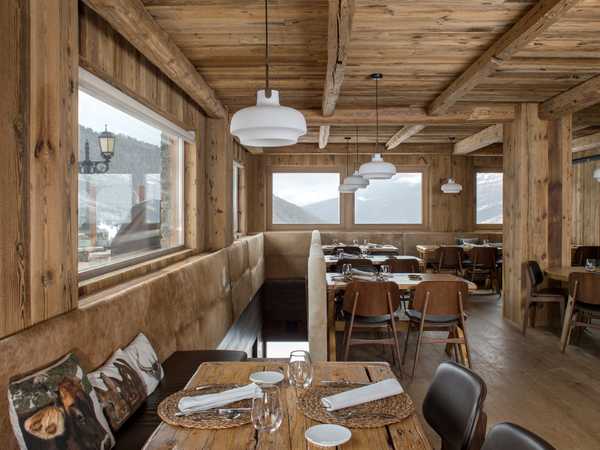
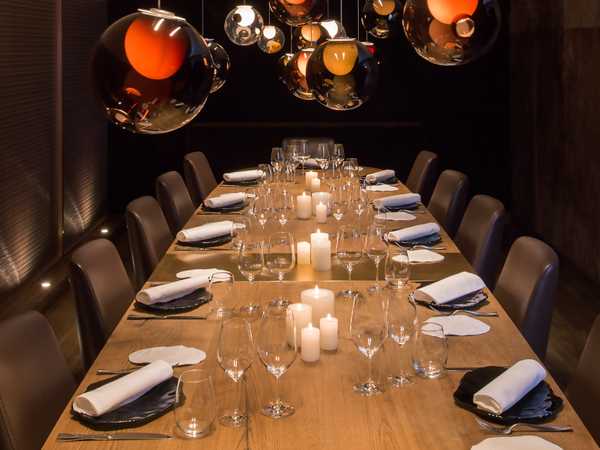
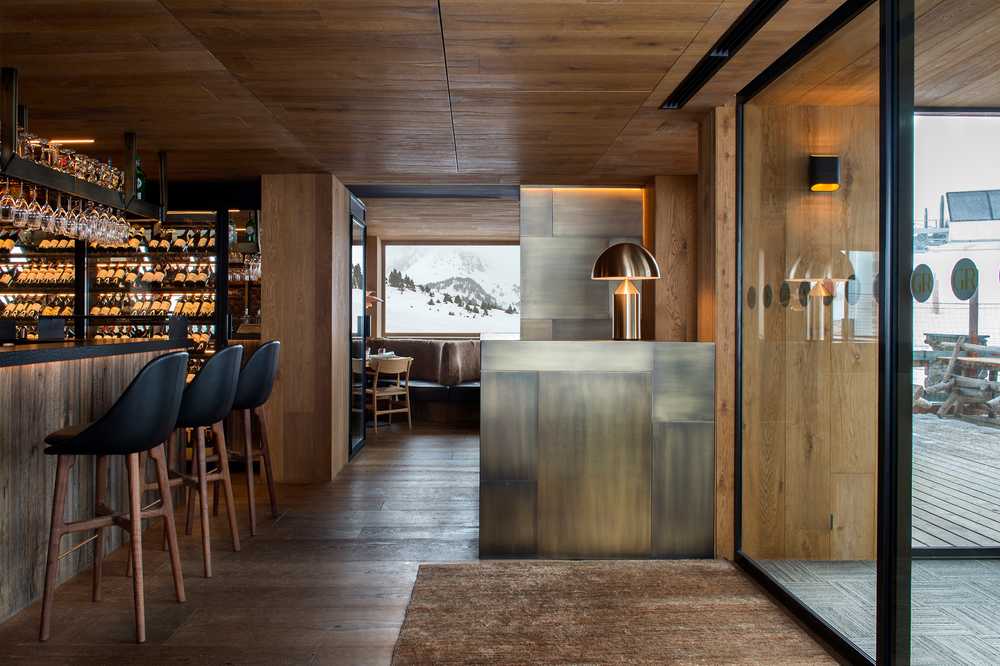
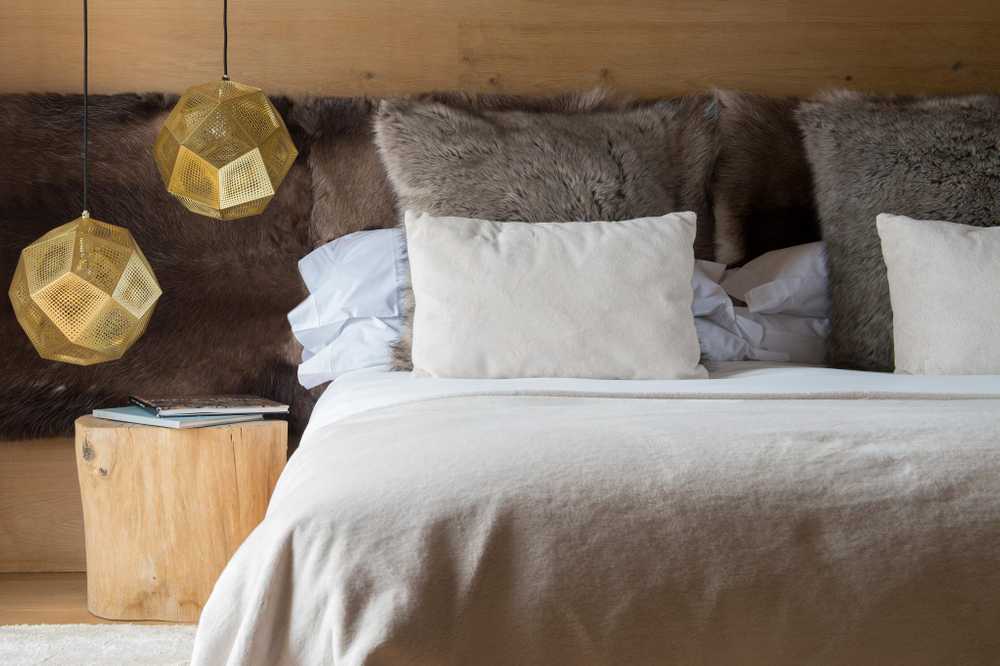
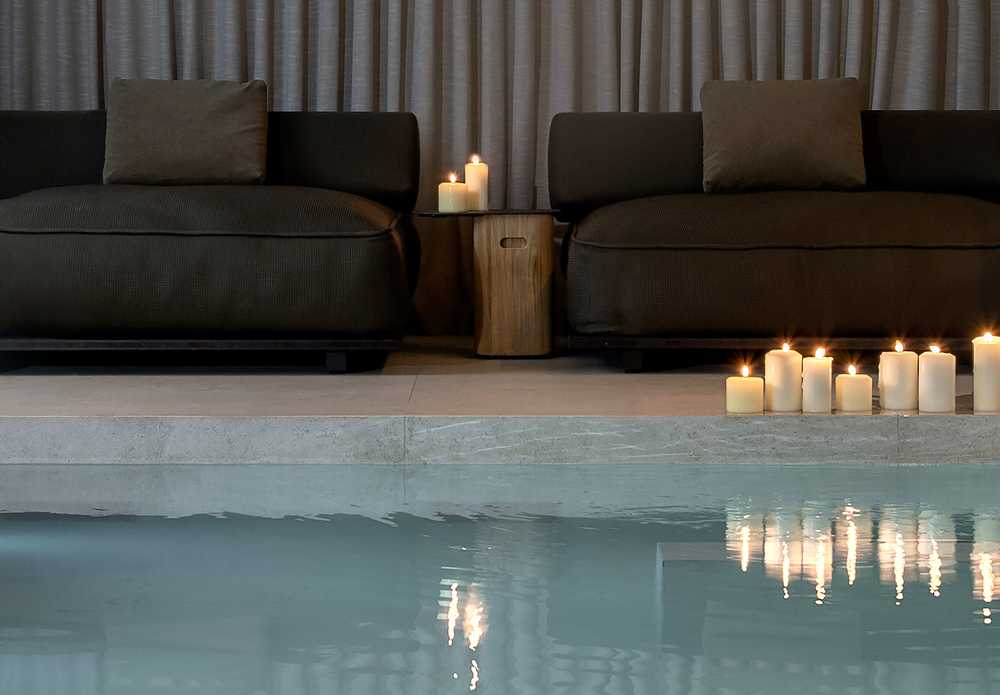
The spa and five restaurants at Hotel Grau Roig, which appears in the MICHELIN Guide, make a fitting end to the day. After a day of stone and architecture, you can choose between the mountain cuisine of La Vaquería and the more avant-garde menu at El Teatro del Vino.