- Culture
- Adventure
Glacial lakes in Andorra: the most impressive and their routes
A guide to choosing a route, preparing your outing and picking the right season.
Explore Andorra’s most impressive glacial lakes
Andorra has more than 80 lakes and pools, according to Visit Andorra, and many of them lie hidden in high-mountain cirques that can only be reached on foot. Hotel Grau Roig sits at one of the best starting points: the Pessons lakes route begins at the El Cubil car park, in the Grau Roig sector itself. From here you are close to some of the country’s best-known high-mountain hiking routes.
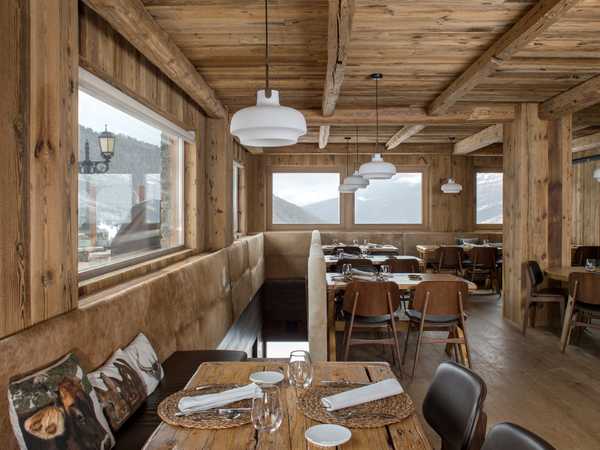
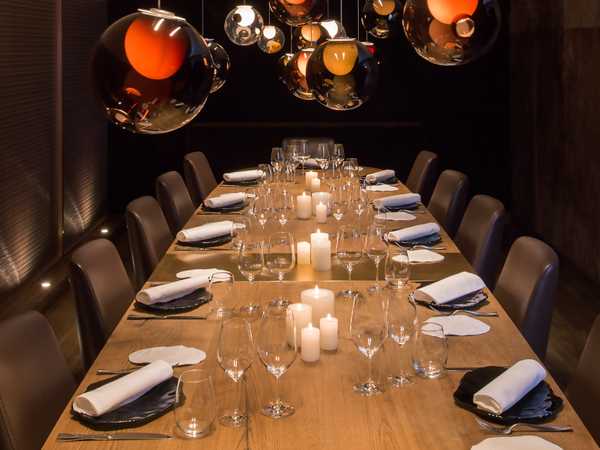
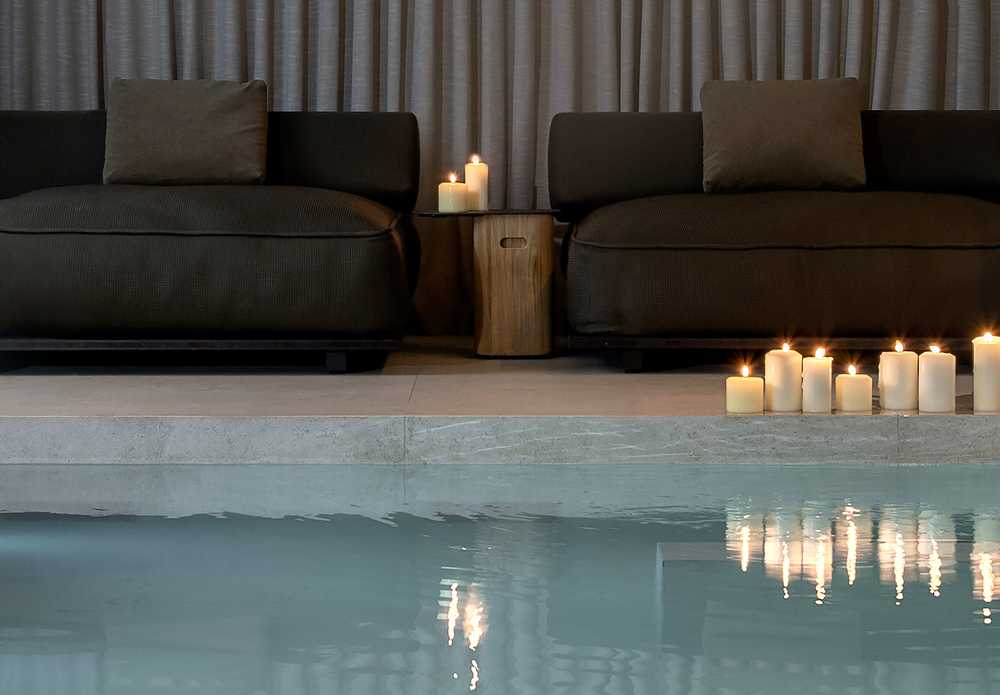
After the walk, you can relax in the hotel spa and have dinner at one of its dining venues: La Vaquería, El Teatro del Vino, La Marmita, La Fromagerie or Secret Room.
What you need to know before setting off
These are the facts worth knowing so you can choose well:
- The largest lake: the first of the Juclar lakes, at 21 hectares.
- The most accessible: Visit Andorra gives this title to Engolasters, in Escaldes-Engordany.
- Swimming: it is prohibited at Engolasters. At Tristaina it is allowed in the largest lake during the summer.
- Season: above 1,700 metres, the recommended time to go is from late June to late September.
Other ways to see the lakes
The hotel lists helicopter flights, hiking, horse riding and picnics among its summer activities, options you can ask about for your dates. A flight gives you a different perspective on the glacial cirques, although the best way to understand these landscapes is still to walk them.
What are glacial lakes and how did they form in Andorra?
Glacial lakes are bodies of water created by the action of ancient glaciers. In Andorra they are surrounded by mountains and form part of the landscapes that draw so many nature lovers. Hotel Grau Roig, in the Andorran Pyrenees, is a good base for discovering them. You can see the hotel’s listing in the MICHELIN Guide.
They owe their existence to the movement of glaciers which, thousands of years ago, carved out the Andorran terrain. As the glaciers retreated, they left hollows in the ground that filled with meltwater. That is why many lakes appear in a chain within the same cirque, at different heights, as at Pessons or Tristaina.
A richness that goes beyond the water
These settings are home to mountain wildlife worth taking the time to observe. The Pyrenean newt lives in the first Juclar lake. On the way up to the Pessons lakes you may well hear marmots. At Tristaina you will see free-roaming Percheron horses, as well as the steel sculpture Arcalís 91, by Mauro Staccioli.
- Respect the access rules: the Incles Valley road is closed to vehicles in summer, and access to the Coma del Forat is also restricted.
- Picnic responsibly: carry your rubbish back with you and do not go into the water where it is prohibited.
- Keep your eyes open: the flora and fauna are part of the outing, so there is no need to rush.
A reserve of water and energy
Not all the lakes are simply part of the scenery. Engolasters, for example, stores water and houses the sluice gates for the FEDA hydroelectric plant. Its dam, built in 1934, is 178 metres long and has the highest spillway in the country. This is why swimming is strictly prohibited.
A list of the best glacial lakes to visit in Andorra
Andorra is home to some of the most impressive lakes in the Pyrenees. This selection is based on Visit Andorra’s route sheets, with the practical details you need for each one.
Pessons lakes
This is one of the most visited groups in Andorra and the closest to the hotel. The lakes form a circle in wild, rocky terrain. You pass Estany Primer, Rodó, Meligar, Les Fonts and Cap dels Pessons before reaching the pass, from where you can see them all. There is more information in our article on the Pessons lakes.
Tristaina lakes
These are three lakes above 2,300 metres: Primer, del Mig and Més Amunt. Access is via the Coma d’Arcalís, in Ordino, at the other end of the country, so it is best to set aside a full day for them. The first lake is about 40 minutes from the car park and is suitable for children.
Juclar lakes
The first of the Juclar lakes, at 21 hectares, is the largest in Andorra. You get there by climbing up from the Incles Valley, and next to the lakes is the Juclar hut, staffed in summer and serving meals.
Lake Engolasters
It lies in Escaldes-Engordany and covers 7 hectares. It is the only large lake in Andorra below 2,000 metres and the most accessible of all. The area has Romanesque churches such as Sant Miquel d’Engolasters, so you can combine a walk with some culture. It also gives access to the Madriu Valley.
Estany de les Truites
It lies in the Comapedrosa Nature Park, next to the staffed hut of the same name, which offers accommodation and meals in summer. It is a good option for anyone looking for a long day in the mountains in the north-west of the country.
Estany de la Nou
It is in the Madriu-Perafita-Claror Valley, a UNESCO World Heritage Site. Visit Andorra describes the route as rather demanding, and points out that the water is less cold because it is fed by groundwater.
Popular hiking routes to discover Andorra’s lakes
If you enjoy walking, the lakes are one of the finest objectives for a day in the Andorran mountains. Before choosing, compare distance, ascent and official difficulty, as they vary a good deal from one route to another.
Before and after the route
Start the day with a good breakfast and set off early, especially in summer. On your return, the hotel spa is the best place to rest your legs, and dinner at La Marmita or La Vaquería rounds off the day nicely.
Nearby and best-known routes
These figures come from Visit Andorra’s official route sheets:
- Estanys de Pessons route: rated as difficult. It covers 5.95 km with 707 m of ascent and takes between 3 and 6 hours from the El Cubil car park. At Estany Primer you will find the Llacs dels Pessons hut restaurant.
- Estany de Juclar route: moderate difficulty. It is 4.57 km each way with 465 m of ascent, taking about 2 hours 10 minutes up and 1 hour 40 down. It starts at kilometre 3 of the Incles road, and in summer the Incles Valley is reached by electric buggy.
- Estanys de Tristaina route: moderate difficulty, suitable for walkers of all levels. It is a circular route of 4.39 km with 210 m of ascent, about 3 hours. It starts from the Coma car park in Ordino Arcalís.
- Llac d’Engolasters route: easy. It starts in Encamp, opposite the National Automobile Museum, with about 2 km and 1 hour 15 minutes each way, according to its route sheet.
If you want to keep walking
The route to Montmalús also leaves from the El Cubil car park, covering 5.36 km with 604 m of ascent and a pass at 2,704 metres. And if you are looking for a multi-stage trek, La Volta als Estanys is a circular route between Andorra and France linking lakes and huts.
Tips for visiting Andorra’s glacial lakes: what to bring and when to go
Andorra’s lakes are in the high mountains, and that affects both your kit and your dates. Prepare properly for the outing even if the route looks short.
Basic kit for the glacial lakes
The weather changes quickly at altitude, so check the forecast before each outing. This is what you should not be without:
- Mountain clothing: in layers, with an extra warm layer and a waterproof.
- Hiking footwear: comfortable, sturdy trekking boots or shoes for uneven ground such as the granite screes at Pessons.
- Rucksack: with enough water, food, nuts and a basic first aid kit.
- Sunglasses: with UV protection for sunny days at altitude.
- Map or GPS: the routes are usually signposted, but Visit Andorra offers GPX tracks for many of them and it pays to have one downloaded.
The best time of year
The best months run from late June to late September, when the weather is milder and the paths are clear. If weather and terrain allow, the season can extend from May to October. The rest of the year, especially above 1,700 metres, routes may be wholly or partly covered in ice or snow.
And in winter?
Winter is the peak season at Grau Roig, although the high-mountain lakes lie under the snow and can no longer be hiked. Instead, you have the Grandvalira slopes and their 55 km of snowshoe trails. The hotel lists snowshoeing, snowmobiling and mushing among its snow activities, options you can ask about depending on conditions. And if you fancy some culture, take the chance to explore Andorra’s picturesque villages.