- Culture
- Adventure
Villages of Andorra: routes through the most picturesque
Romanesque churches, cobbled streets and valleys you can explore on a short break.
The best routes through Andorra’s picturesque villages
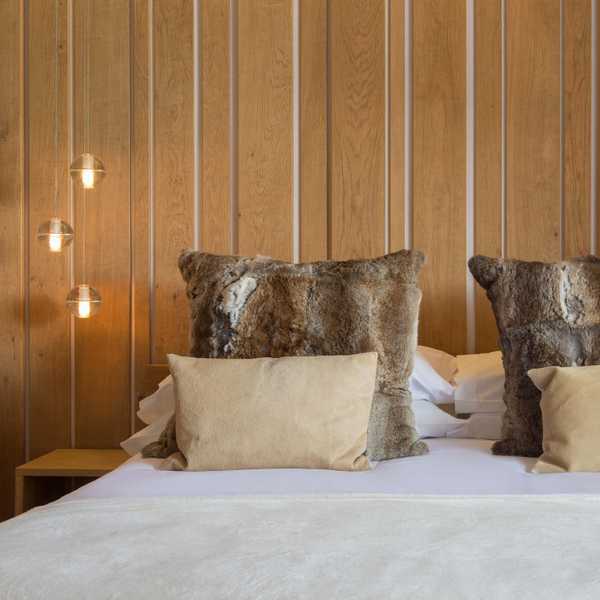
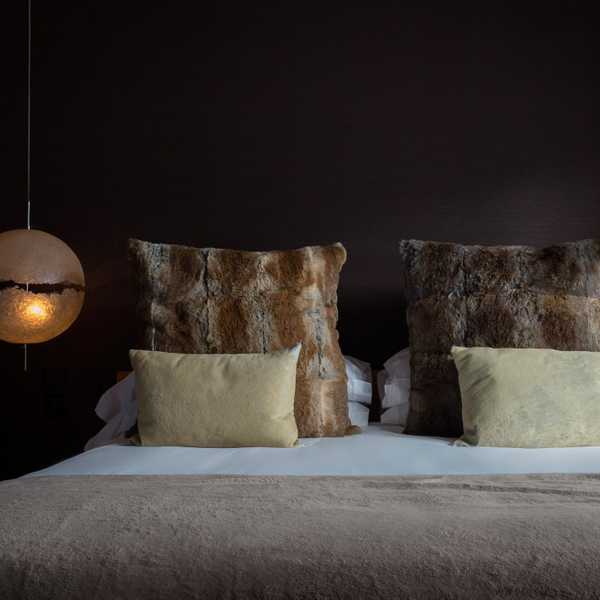
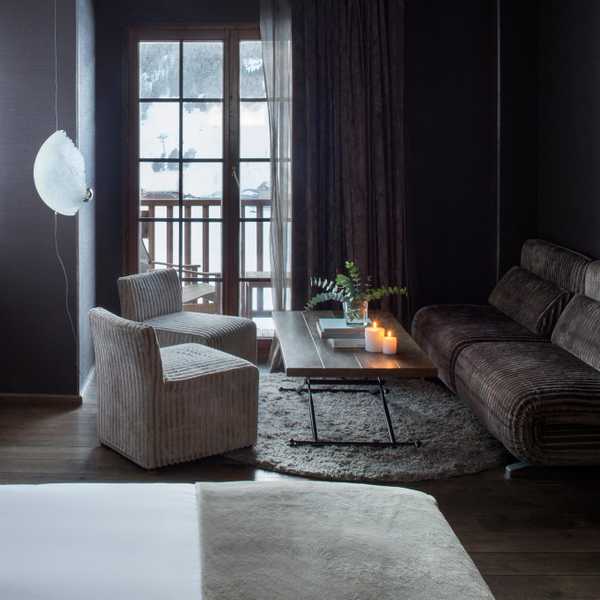
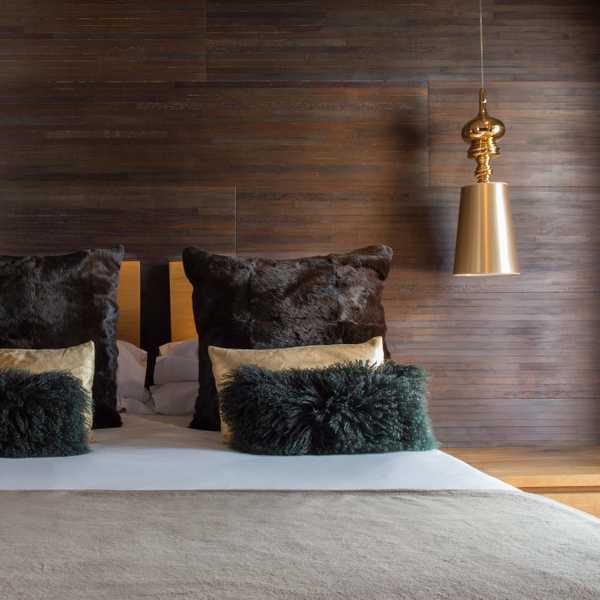
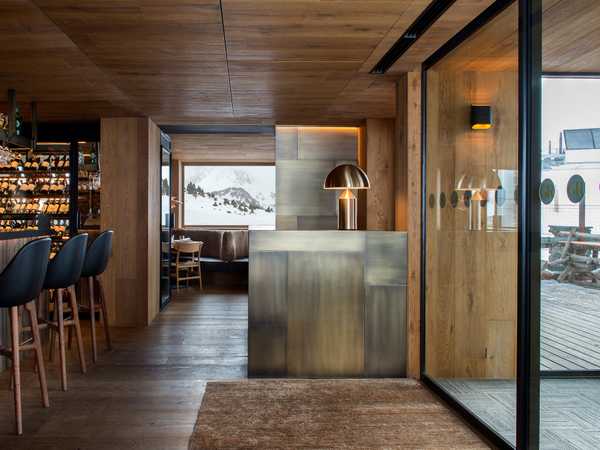
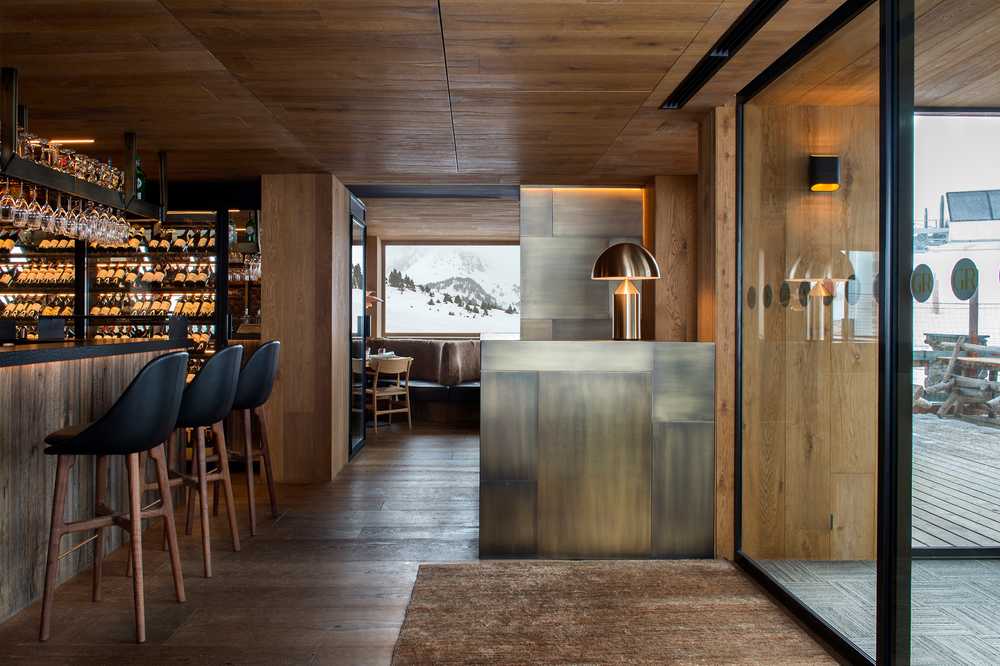
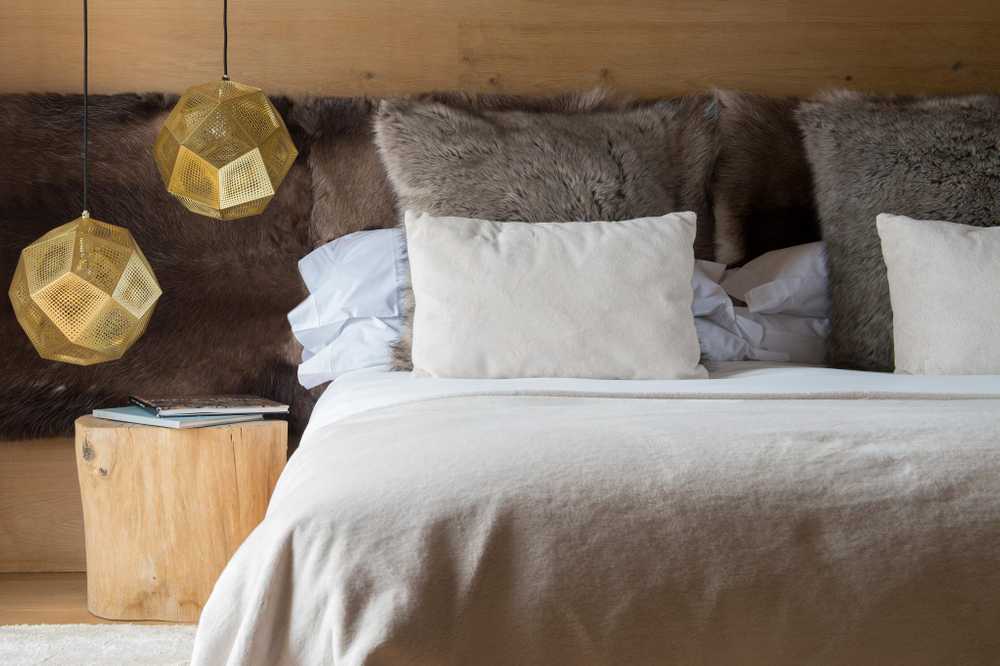
Andorra is not just about ski slopes and shopping. Between one valley and the next you will find stone villages, Romanesque churches and cobbled streets that you can explore on a short break. If you are staying at Hotel Grau Roig, in the Grau Roig sector in the parish of Encamp, you have a mountain base from which to plan these outings. You can see the hotel’s listing in the MICHELIN Guide.
A base to come back to and rest
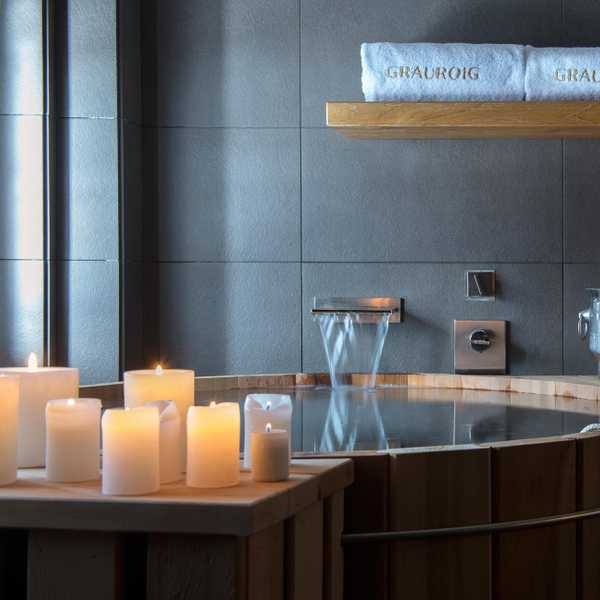
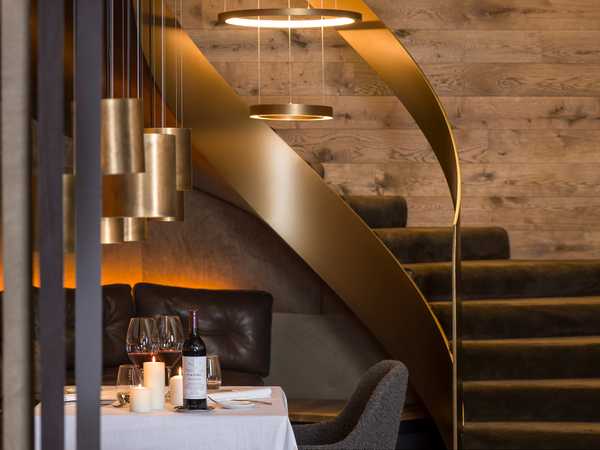
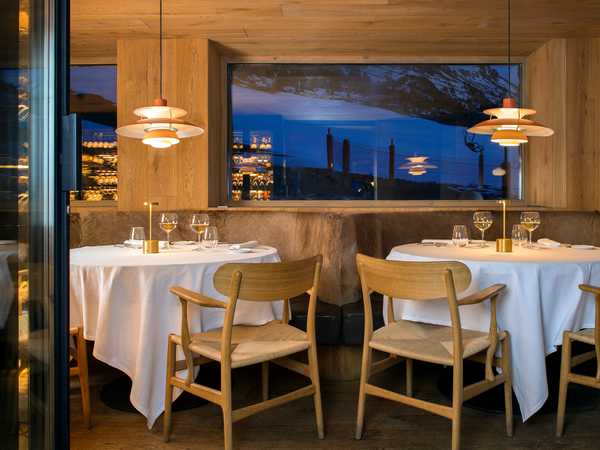
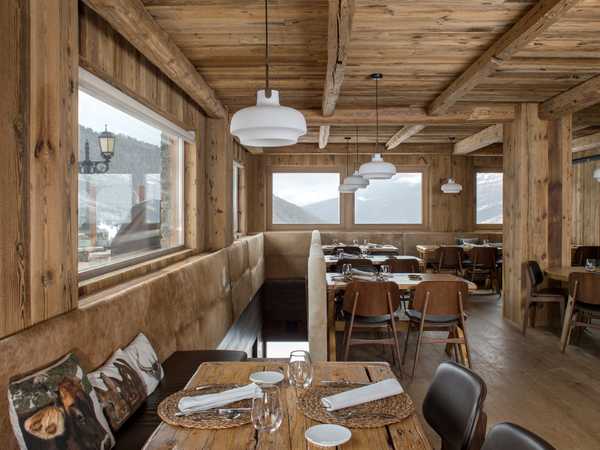
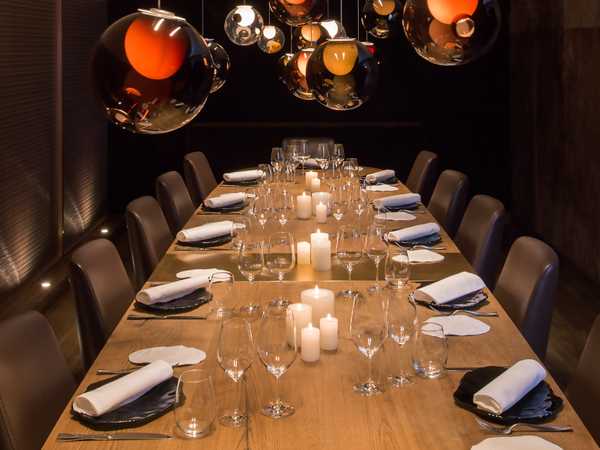
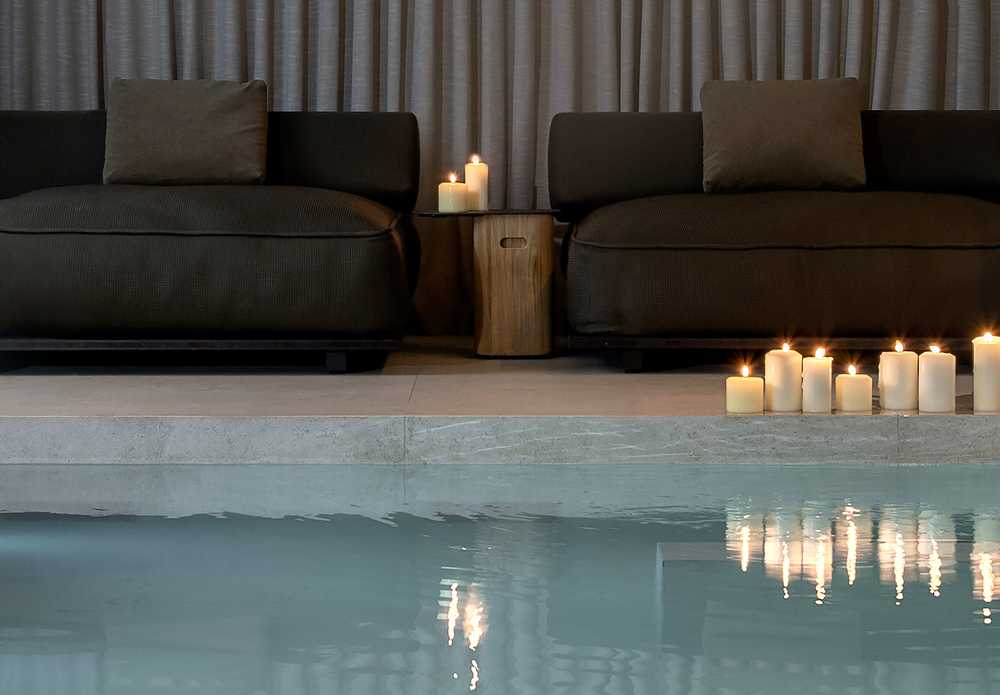
After a day spent exploring villages, it is good to have the hotel spa and excellent dining close at hand. The dining options include La Vaquería, El Teatro del Vino, La Marmita, La Fromagerie and Secret Room, as well as Copper Bar and Summer Lounge.
How to plan your routes
The most practical approach is to get around by car and group the villages by valley. Encamp and Canillo are in the Valira d’Orient valley, the same one you take up to Grau Roig. Ordino and its hamlets follow the Valira del Nord, while Pal and Sispony belong to La Massana. Fontaneda, in the south, is in Sant Julià de Lòria. Give each area a day or half a day and don’t try to see everything at once.
Useful tips for exploring Andorra’s villages
These villages are small and best seen on foot, so wear comfortable shoes, especially if you will be walking on cobbles or joining a footpath. These ideas will help you get the most from your visit:
- Check opening times before you go: several churches and museums open only on certain dates. Visit Andorra refers visitors to museus.ad or reservesmuseus@govern.ad to confirm church visits.
- Combine culture and walking: many of these villages are also the starting point for mountain routes. If you fancy walking further, see our selection of hiking routes in Andorra.
- Try local produce: Sispony is home to the chocolate maker Xocland and El Pastador jams, and in Ransol you can visit Cal Jordi, a cured meat producer offering tastings.
Activities to round off your break
If you would like to see the valleys in a different way, the hotel lists options such as 4×4 trips, helicopter flights, horse riding and picnics among its summer activities, which you can ask about for your dates. And if the religious heritage of these villages interests you, there is more detail in our guide to Romanesque churches.
Recommended routes: Andorran villages you shouldn’t miss
These are the villages Visit Andorra highlights for their charm and for what you can do there, in both summer and winter.
Ordino valley: Ordino, La Cortinada and Llorts
- Ordino: visit the Casa d’Areny-Plandolit Museum, a 17th-century house that belonged to an influential local family and shows how people lived at the time. You can read its story in our article on Casa d’Areny-Plandolit. The village also has the church of Sant Corneli and Sant Cebrià, with five Baroque altarpieces.
- La Cortinada: the Romanesque church of Sant Martí preserves murals from the late 12th century and, next to it, Cal Pal brings together a manor house dating back to 1347, a cultural space and a mill and sawmill from the late 16th century.
- Llorts: stone houses, wrought-iron balconies and the church of Sant Serni. Its old centre is listed as a site of cultural interest. Nearby is the Llorts mine, with a 30-metre section open to visitors in summer.
You can link them on foot along the Camí Ral d’Ordino, an easy route of around 6 km from Santa Bàrbara to Llorts. It passes through Ansalonga, La Cortinada and Arans, and along the way you will come across the Homes de Ferro sculptures.
La Massana: Pal and Sispony
- Pal: at over 1,500 metres, it retains the look of a mountain village with stone, wood and slate. The church of Sant Climent, from the late 11th and early 12th centuries, has a three-storey bell tower. Children will enjoy the Menairons Forest, a route designed with them in mind.
- Sispony: one of the quarters of La Massana, with Casa Rull, the church of Sant Joan and a group of cortals with cobbled lanes.
Canillo and Encamp
- Canillo: it has a cobbled old town and, very close by, the church of Sant Joan de Caselles, from the 11th and 12th centuries, with its bell tower separate from the nave. For the best views, go up to the Roc de Quer viewpoint.
- Ransol: in the Canillo valley, with medieval houses in its old quarter and the church of Sant Jaume.
- Encamp: its old centre brings together buildings from the 16th and 17th centuries and the Rossell and Cotxa dovecotes. Sant Romà de les Bons is very close, and in the village you can visit the Casa Cristo Ethnographic Museum.
The south: Fontaneda, Auvinyà and Santa Coloma
- Fontaneda: in Sant Julià de Lòria, with fewer than 150 inhabitants and a stage finish of the Vuelta a España. The church of Sant Miquel preserves remains of paintings by the Master of Anyós and an altar carved from a single piece of stone.
- Auvinyà: a traffic-free hamlet that recreates a medieval village, with cobbled lanes and stone houses with wooden balconies. Further up is the chapel of Sant Romà d’Auvinyà.
- Santa Coloma: its church has a circular bell tower almost 18 metres high and video mapping in the apse that projects the original murals. Opposite, at Espai Columba, you can see the frescoes.
Points of interest at each stop: what to see in Andorra’s villages
As well as the villages, there are a few places worth a detour. Some are close to Grau Roig and others fit in well if you are already in the area.
Points of interest near Grau Roig
- Pessons lakes: this is not a village but a mountain route that starts from the El Cubil car park, in the Grau Roig sector itself. It covers 5.95 km with 707 m of ascent and Visit Andorra rates it as difficult. To round off the day with some nature, read our guide to the Pessons lakes.
- Sanctuary of Meritxell: in Canillo, this is Andorra’s most important religious building and home to the country’s patron saint, celebrated on 8 September. The present sanctuary opened in 1976 to a design by Ricardo Bofill, after the fire of 1972, and in 2014 it was given the title of minor basilica.
More stops along the way
- Torre dels Russos: a granite tower at the end of the old town of Santa Coloma, listed as a heritage building in 2004.
- Encamp’s museums: as well as Casa Cristo, the village has a Museum of Sacred Art and an Automobile Museum with one of the largest vehicle collections in southern Europe.
- Miniature Museum: if you are in Ordino, take the opportunity to visit the Miniature Museum.
The best time to visit Andorra’s villages
Andorra’s villages can be visited all year round, although each season offers something different. These are the main differences.
Spring: nature wakes up
With the thaw, the valleys fill with water and greenery. It is a good time to stroll around villages like Ordino or Llorts, always checking path conditions if you want to climb higher.
Summer: outdoor activities
This is the season when the Llorts mine opens and when mountain routes are at their most accessible: for routes above 1,700 metres, Visit Andorra recommends going from late June to late September. It is also the time for the villages Visit Andorra groups in its summer selection, such as Pal, Llorts, Fontaneda and Sispony.
Autumn: a display of colour
The forests change colour and temperatures drop. If you enjoy photography, you can pick up ideas from our photography routes around Andorra and combine them with a stop in a village. Sispony or Pal are good options.
Winter: snow season
Winter is the peak season at Grau Roig, with access to the Grandvalira slopes, which total 215 km. You can alternate ski days with an outing to the villages: at this time of year Visit Andorra suggests the old town of Canillo, with the ice rink at its Palau de Gel, the walk around Encamp, La Cortinada, Pal and Santa Coloma. Many of their churches and museums are also a good option for a day of bad weather.