




- Adventure
Fishing in Andorra: species, areas, permits and rules
Trout, mountain rivers and high-altitude lakes in the Principality
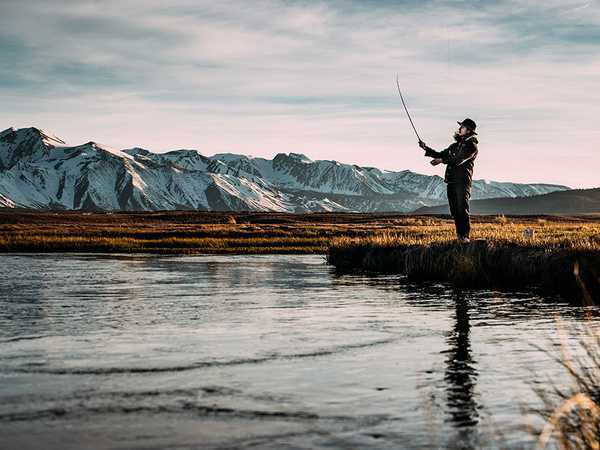
Andorra has cold rivers, high mountain torrents and lakes you can only reach on foot. If you like fishing and spending the day out in nature, you will find trout and scenery here in equal measure, along with clear rules that are worth reading before you set up your rod. Here is what you can catch, where to fish and what you need to stay on the right side of the regulations.
Fish species in Andorra
The star is the brown trout (Salmo trutta fario), native to the country and the species that defines fishing in Andorran rivers. It is quick and wary, and it forces you to approach every pool with care.
The brook trout (Salvelinus fontinalis) lives in the high mountain lakes, so finding it takes a proper walk. That effort is part of the appeal: you will reach places you never see from the road.
Rainbow trout (Oncorhynchus mykiss) is fished in Lake Engolasters, one of the waters that opens earliest each season.
Where to fish in Andorra
The country divides its waters into 15 controlled fishing areas, 2 intensive fishing areas, 1 catch-and-keep reserve and 11 catch-and-release reserves, spread across Andorra la Vella, Canillo, Encamp, La Massana and Ordino. Not all waters follow the same rules, so check those for your stretch before you start.
Rivers
The Valira del Nord and the Valira d’Orient are the backbone of river fishing, each with its own stretch: the first runs between the confluence with the Arinsal river and the Gran Valira; the second, between the confluence with the Forn river and the Gran Valira. Where the two meet, the Gran Valira begins, and it has a catch-and-release stretch where every fish goes back into the water alive.
The Principality also has smaller, more mountainous watercourses, such as the Madriu, Incles, Ransol, Os and Arinsal rivers. If you want to get to know these valleys even without a rod, the Madriu valley and the Incles valley are each worth a full day.
High mountain torrents
The torrents that run down from cirques such as Pessons or Tristaina offer cold-water fishing, short currents and precise casting. Before you go, check the regulations to confirm the stretch is open, as some waters are reserves or come with special conditions.
High mountain lakes
Some Andorran lakes sit above 2,000 metres and are reached by footpath, so you will need strong legs and a willingness to walk. The reward is fishing in a high mountain setting that is very hard to match. If you are still choosing where to go, our guides to Andorra’s glacial lakes and the Pessons lakes will help you get your bearings.
Lake Engolasters is the easiest option for rainbow trout. And there is one lake designed with families in mind: Lake Cubil, where under-14s can fish with their family or a specialist guide. It lies next to the Grau Roig sector, so it is ideal if you are staying at Hotel Grau Roig, which features in the MICHELIN Guide.
What you need to know about fishing in Andorra
Fishing is tightly regulated in the Principality and closely monitored by the authorities. These are the details published for the 2026 season. The definitive version is the ministerial order in the BOPA, the official gazette, so check it before you head out.
2026 season
- 14 March: Lake Engolasters and the catch-and-release stretch of the Gran Valira open.
- 4 April: the remaining rivers and river stretches open.
- 6 June: lakes and other still waters open.
- Closing: varies by area. Some stretches of the Gran Valira close on 15 November.
Early in the season it is cold and fishing is slower. Catches tend to pick up from late June.
Permits
You need a fishing permit, which is personal and non-transferable. A full-season permit costs €150 for non-residents and €64 for residents under 65. If you are only visiting for a few days, there are one-day and three-day tourist permits, plus options for catch-and-release areas; you apply for them online on the Government of Andorra website.
Physical licences are no longer issued: your proof is the payment receipt, which you must carry with you. Renewal is done through e-Tràmits with an electronic certificate, or in person at the Government’s Procedures Section in Andorra la Vella or at the parish offices.
Sizes and catch limits
- Designated stretches of the Valira del Nord and Valira d’Orient: minimum size 30 cm and up to 8 fish a day.
- All other areas: minimum size 20 cm and a maximum of 2 fish a day.
- Catch and release: all fish are returned alive.
Any fish under the minimum size goes back into the water.
Other rules worth knowing
- Fishing is by rod only and in daylight, between sunrise and sunset.
- Live or dead fish, fish roe and cheese are banned as bait.
- Fish caught in public waters may not be sold.
- Frogs require a specific permit, may only be caught by hand and are limited to 24 per angler per day.
Breaking these rules can lead to fines, and fishing in a protected reserve or with nets counts as a serious or very serious offence.
What to bring on a fishing day
Mornings at the high lakes are cold even in summer, so bring warm clothing, a hat and gloves, and hiking boots. If you fly fish, Visit Andorra recommends a single-handed rod of around 10 feet for 3 to 5 weight lines and, in summer, dry flies in natural colours such as green, brown, black or maroon.
Fishing and hiking: the complete day out
Many fishing spots require a walk, so you can turn the day into a full hike and discover corners you would otherwise miss. You will find ideas in our selection of hiking routes in Andorra.
It works very well with children: they learn to find their way among trees, rivers and waterfalls, and the day ends with a picnic on the bank. If you would rather not prepare anything, the hotel lists a picnic among its summer activities; ask about availability when you book.
Andorra outside the fishing season
In the depths of winter the lakes and most of the rivers are closed to fishing, but the mountains remain in full swing. From November to April the main season is skiing: take a look at our ski slopes, or try snowshoeing if you prefer a quieter pace.