- Culture
- Adventure
Historic bridges of Andorra: a tour of medieval architecture
Margineda, Engordany, La Tosca and other stone crossings
The historic bridges of Andorra: a journey into the medieval past
The historic bridges of Andorra offer a very direct way to understand the country: for centuries, crossing the Valira rivers made it possible to link parishes, move goods and reach the border. Visit Andorra highlights six in its official selection, with shared features such as a single semicircular arch and a cobbled roadway with a small stone parapet. If you are staying at Hotel Grau Roig, which features in the MICHELIN Guide, you can visit them on a day trip by car, as they are in the central valleys.
A route you can put together yourself
You do not need to book anything to see them: most are beside the road or right in town. If you would like an explanation, the tourist office in each parish is the best place to ask. Margineda and Sant Antoni de la Grella are the best known, and you can add Engordany and La Tosca, very close to each other in Escaldes-Engordany.
Back at the hotel
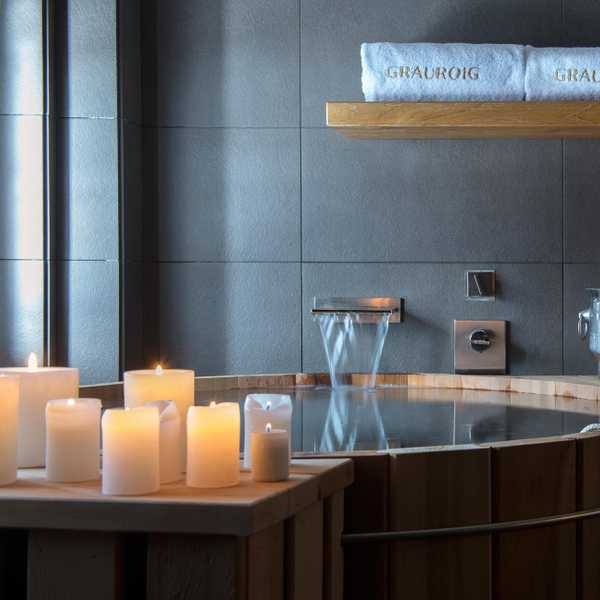
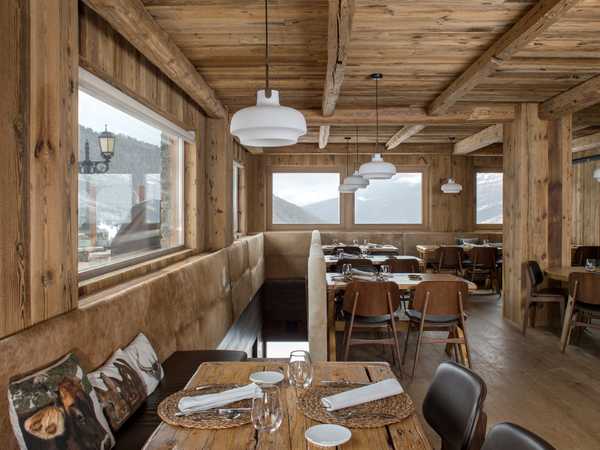
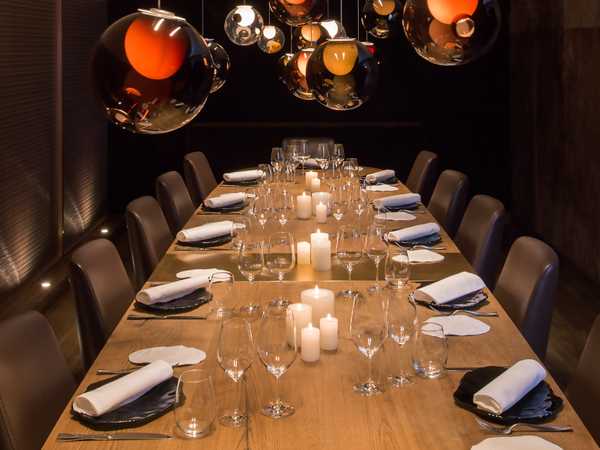
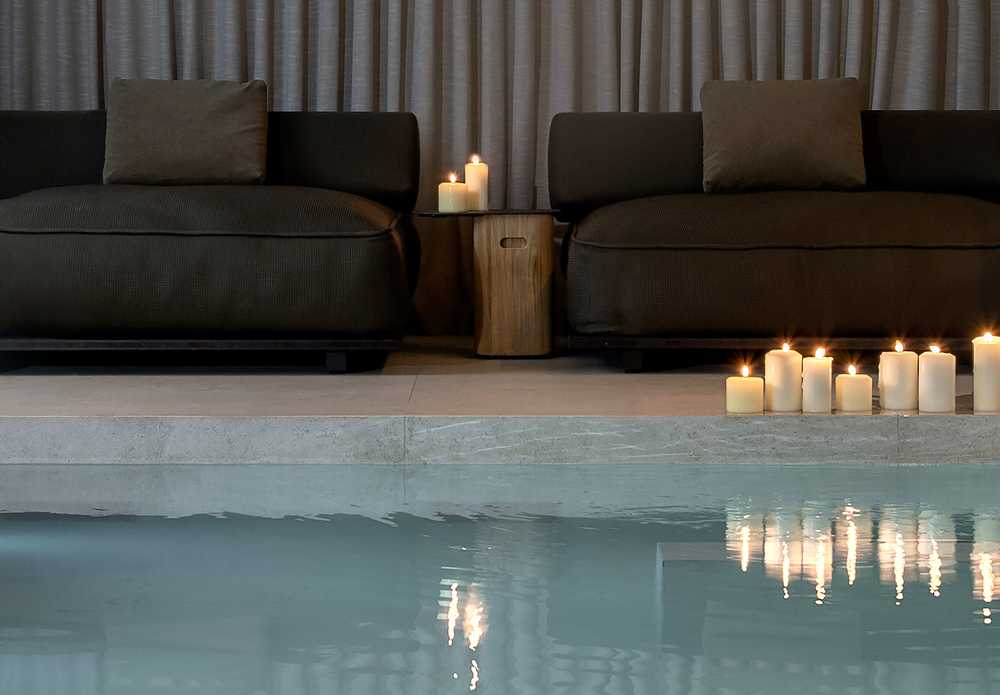
After a day of driving and strolling, the hotel spa has a heated pool, hot tub, sauna, Turkish bath and relaxation area, open from 10:00 to 21:00 and included for guests. For dinner you can choose from:
- La Vaquería: traditional mountain food at the foot of the slopes.
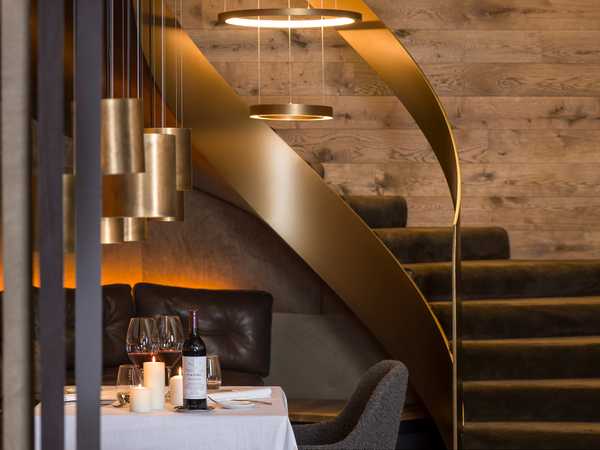
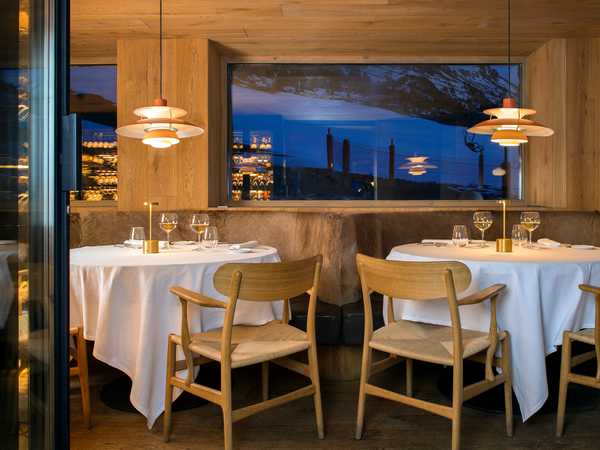
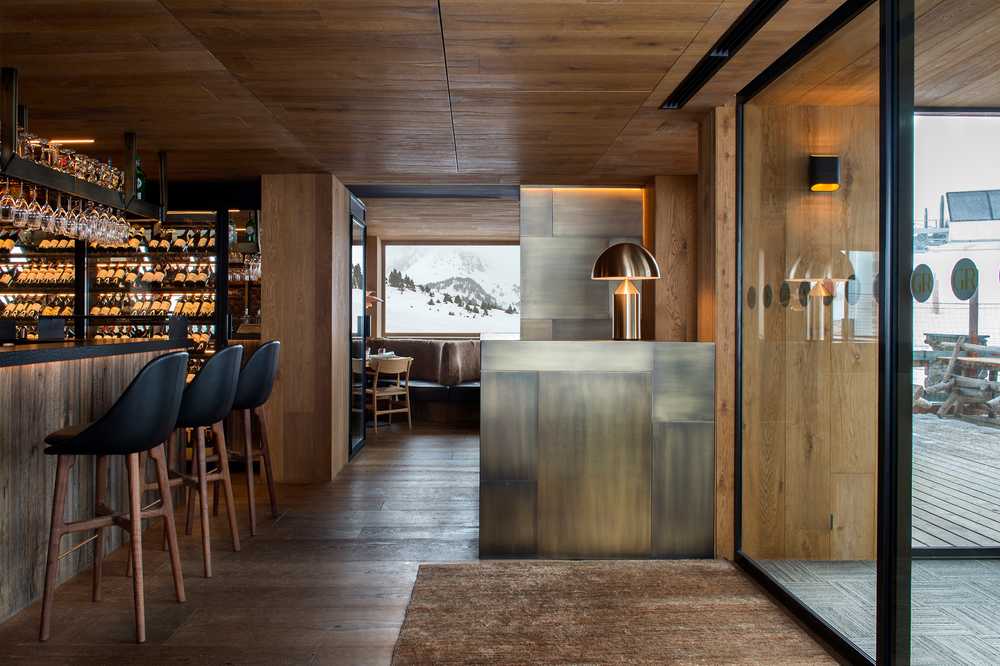
- El Teatro del Vino: tradition and modernity with wine in the leading role, and a cellar of more than 300 labels.
- La Marmita: market-led, seasonal cooking.
- La Fromagerie: fondues and raclettes.
History and the present day
The story of the bridges does not end in the Middle Ages. The type lasted for centuries, and many have been repaired or rebuilt: those that survive date from between the 15th and 20th centuries, with medieval origins in several cases. So although people tend to speak of “medieval bridges”, it is worth looking at the history of each one. And if you enjoy walking, several of them are part of the Royal Road of Andorra, the old network of tracks linking the villages.
Explore Andorran medieval architecture through its bridges
The architecture of these bridges is simple and very recognisable. The norm is a single semicircular stone arch, with a more or less hump-backed profile and a narrow roadway designed for people and pack animals, not cars.
What to look out for on each bridge
Before you start, it helps to know what to look at:
- The arch: almost always single. At Margineda, for example, it spans more than 9 metres.
- The roadway: cobbled, with a low stone parapet on each side.
- The profile: the rise and fall of the hump-back is easy to see at Ordino and Margineda.
- The materials: Engordany and Sant Antoni de la Grella have elements in tufa stone.
The traginers behind many bridges
These bridges existed for transport. The traginers, the muleteers who carried goods between valleys, used them every day. Sant Antoni Abad was their patron saint, hence the name of the La Massana bridge.
Where they fit on the map
You will find them along the Valira rivers. Margineda is on the Gran Valira, on the road from Sant Julià de Lòria to Andorra la Vella via Santa Coloma. Engordany and La Tosca are on the Valira d’Orient, in Escaldes-Engordany. Ordino, now in Llorts, is in the Valira del Nord valley. If you want to combine your visit with a walk, our guide to hiking routes in Andorra has more options.
The main historic bridges of Andorra you should not miss
These are the ones worth stopping for, with details from Visit Andorra and other heritage sources.
Pont de la Margineda
It crosses the Gran Valira on the boundary with Sant Julià de Lòria, on the old road to Andorra la Vella. The tourist office dates it to the 15th century, although no document fixes its construction and some attribute a Romanesque origin to it. It measures 33 metres long and over 9 metres high, and it is the largest surviving medieval bridge in Andorra. Beside it stands a modern sculpture by the Valencian artist Vicenç Alfaro, with two arches representing the country’s past and present.
Pont d’Engordany
It stands in the centre of Escaldes-Engordany, over the Valira d’Orient, and for a long time it was the only point linking the two settlements. A flood destroyed the first bridge in 1772 and it was rebuilt in 1785. Notice its asymmetrical profile, leaning to the left.
Pont de la Tosca
Just a few minutes’ walk from Engordany, this one dates from 1820. It has a 7-metre span, stands 10 metres above the riverbed and appears on the parish coat of arms. It is a remnant of the old Royal Road of the Vall d’Orient, which led towards France.
Pont de Sant Antoni de la Grella
On the royal road of La Massana, beside the Romanesque chapel of the same name. Of medieval origin, it was rebuilt in the mid-20th century. It measures 21.20 metres long and 5.55 metres high at the arch. It is dedicated to Sant Antoni Abad, patron saint of the traginers.
Pont d’Ordino or Pont de l’Estorell
This bridge was part of the road between Andorra la Vella, Ordino and El Serrat. In 1980 it was moved stone by stone to Llorts when the road was widened. Today you can see it there, with its hump-backed profile and cobbled roadway.
Pont dels Escalls
This Asset of Cultural Interest lies on the road that linked Escaldes-Engordany, Andorra la Vella and La Massana. The 2023-2024 excavations were unable to establish its chronology: a document from 1434 already mentions it, and at its southern end there is a 16th-century boundary cross. It was restored in 2024 and adapted for visitors.
- If you are short of time: Engordany and La Tosca, a few minutes’ walk from each other.
- If you have children with you: the Camí Ral section from Ordino to Llorts is suitable for families, and you finish at the bridge.
- To compare with the modern: the Pont de Paris, from 2005, in Andorra la Vella.
The importance of medieval bridges in the history of Andorra
In a country of narrow valleys, bridges shaped the passage of people and goods. That is why many are associated with a specific road: Margineda with the one from Sant Julià to Andorra la Vella, La Tosca with the Vall d’Orient road and Sant Antoni de la Grella with the La Massana road.
A political role
The Pont dels Escalls has a documented political episode: according to the Government’s archaeological report, the treaty ending the armed revolt of 1881 was signed there that year.
What we know and what we do not
Dating these bridges is difficult. At Escalls, dating of the mortar points to between the 10th and 12th centuries, but the report warns that these results may have been altered by later remodelling. At Margineda, there is no document fixing its construction either. It is a good reminder that the history of these bridges is still being researched.
From medieval to modern
Andorra is still building remarkable bridges. The Pont de Paris, from 2005, is the work of engineers Leonardo Fernández Troyano and Guillermo Ayuso Carrer, with a 45-metre straight section and a 27-metre semicircular one. And in Canillo, much closer to Grau Roig, the Tibetan bridge is 603 metres long with a maximum height of 158 metres above the valley.
Other places to round off the route
Near Margineda is the Balma de la Margineda, a site showing human presence from 10,000 BC. Sant Antoni de la Grella is also one of the three main sanctuaries cited by Fiter i Rossell in 1745, together with Meritxell and Canòlich Sanctuary. And if you want more Romanesque, there is our article on Romanesque churches in Andorra.
Tips for a photography tour of Andorra’s historic bridges
If you are bringing a camera, stone bridges are a rewarding subject. These tips will help you organise the day, and if you would like more locations, see our photography routes in Andorra.
Plan the order
From Grau Roig you will need to head down towards the central valleys, so start with whichever point interests you most. Escaldes-Engordany has several bridges very close together. Margineda lies further south, towards Sant Julià de Lòria. Ordino and Llorts are up the northern valley, so you may prefer to give them a separate day with the Camí Ral.
What framing to look for
The arch shows up better from the bank, if you can get down safely, than from the roadway. From above, the cobbles and the parapet are your best subjects. Do not walk into the river or go down where there is no path.
Watch out for the road
Some bridges are very close to roads with traffic. Margineda is next to the CG-1, and the new bridge is about 100 metres away: park where it is allowed and walk.
Modern bridges for contrast
From Plaça de la Rotonda, in Andorra la Vella, you can see the Pont de Paris with its two steel spheres measuring 2.20 metres. Visit Andorra lists it among the most photographed places in the country, and next to it are the light and music fountains by the Valira.
If you are coming in winter
Grau Roig’s main season is the ski season, from November to April. The urban bridges of Escaldes-Engordany make an excellent choice for a day off the slopes, as they are right in town. On other days, you have the Grandvalira slopes and snow activities you can ask about, such as snowshoeing, mushing or snowmobiles. Before setting off, check the state of the mountain roads.
To finish the day
When you get back, you have the Copper Bar for a drink and, in summer, the Summer Lounge with loungers and an outdoor hot tub. It is a good moment to go through the day’s photos.