- Culture
- Adventure
Wineries in Andorra: high-altitude vineyards and five producers
A small, recent, mountain wine scene
Wineries in Andorra are few, small and unmistakably alpine. Visit Andorra lists five producers, spread between Sant Julià de Lòria in the south and Ordino in the north. Don’t expect a major wine region: this is a world of sloping plots, very limited production and a modern history only a few decades old. That is exactly why they are worth getting to know, especially if you enjoy talking to the people who actually make the wine.
An ancient winegrowing tradition that returned only recently
Wine isn’t entirely new to these mountains. The Wein.plus glossary notes that the Romans brought vines to the Pyrenees and that there are signs of wine production in Andorra from the Middle Ages. Master of Wine Pedro Ballesteros, in a 2016 article, also cites winemaking by monks in Sant Julià de Lòria more than a thousand years ago.
That activity disappeared. According to the same article, in the 20th century tobacco, and later trade and tourism, paid far better, and the toughest slopes were left as pasture. The revival came from a handful of families: Visit Andorra credits the Visa-Tor family of Casa Beal with helping to bring wine back to the country after more than a century without production.
What altitude changes
The official winery profiles don’t highlight native grapes. What you will find are international varieties chosen for the mountain climate, such as Pinot Noir, Chardonnay, Syrah, Viognier, Gewürztraminer and Sauvignon Blanc. Casus Belli talks about short-cycle, early-ripening varieties, a logical choice when summer is brief.
The terrain doesn’t make things easy either. Casa Auvinyà works terraces and west-facing slopes with gradients of 40 to 60 %, on schist and slate soils. In a 2011 interview, the head of Casa Beal explained that the temperature swing between day and night, at around 1,100 metres, slows ripening and gives the wine freshness and aroma.
Very limited production
In 2016 Ballesteros estimated around ten thousand bottles for the whole country. The figure dates from some years ago and has probably changed, but it shows the scale: buying a bottle at the winery makes sense, because these wines don’t travel far. Casa Auvinyà, for example, has 2 hectares and Casus Belli about 3.
The five wineries of Andorra
| Winery | Parish | Vineyard altitude | Start |
|---|---|---|---|
| Casa Beal | Sant Julià de Lòria (Nagol) | Over 1,000 m | 1988 |
| Casa Auvinyà | Sant Julià de Lòria (Auvinyà) | 1,200 m | 2005 |
| Borda Sabaté | Sant Julià de Lòria | 1,190 m | Award-winning 2010 vintage |
| Casus Belli | Ordino | 1,250-1,300 m | 2010 |
| Mas Berenguer | Sant Julià de Lòria (Pui d’Olivesa) | 950 m | 2011 |
Casa Beal
In the village of Nagol, Casa Beal began in 1988. Its best-known wine is Cim de Cel, a Gewürztraminer released in 2006 and presented as the first Andorran wine of the 21st century. In 2014 it received the Gran Oro distinction from the International Wine Guide. The winery also makes a handcrafted mi-cuit foie gras. Guided visits run all year, last from an hour and a half to three hours and end with a vintage tasting; they are offered in Catalan, Spanish, French and English. Book at least 3 days ahead on (+376) 841 799 or at info@casabeal.com.
Casa Auvinyà
The Tor family started in 2005 with a research plan on vine growing that ran until 2010. Casa Auvinyà, on the La Rabassa road, grows Pinot Gris, Pinot Noir, Syrah, Viognier and Albariño on five plots. Its wines include the single-variety red Evolució and the white Imagine. They carry the official Vins d’Andorra control and guarantee seal. Guided visits and tastings are available by prior booking.
Borda Sabaté
Borda Sabaté sits on the sunny slopes of La Muxella at 1,190 metres and uses biodynamic organic farming, with Alain Graillot as winemaker. Its wines are Escol, a white, and Torb, a red. Escol 2010 won a 2019 CERVIM award as the best extreme white of its vintage, and Torb 2015 took a gold medal at the same event. There are guided visits to the vineyard or cellar, tastings and direct sales, and tastings can be combined with a meal at its restaurant, Le Domaine.
Casus Belli
This is the only winery in the Valls del Nord and the highest in the country. Casus Belli began planting in 2010 and bottled its first harvest in 2015. It has around a dozen plots on the Any de la Part estate, worked by hand and vinified separately. It makes Pinot Noir, Chardonnay and sparkling wines. To ask about visits, call (+376) 874 050 or write to info@casusbelli.ad.
Celler Mas Berenguer
The youngest of the five. Mas Berenguer is based in a country house on the Fontaneda road, started in 2011 and made its first harvest in 2013. It grows Pinot Noir, Chardonnay and Sauvignon Blanc at 950 metres, and its wines include Tancat Rocafort, a Blanc de Blancs, a Brut Nature Rosé and Cortó Carlemany. Ask about visits on (+376) 338 229.
How to plan your visit
Always call before you go. These are small family projects, and only some of the official profiles spell out what a visit involves. Group the wineries by area: four are in Sant Julià de Lòria, the country’s lowest and southernmost parish, while Casus Belli is in Ordino, in another direction. And decide beforehand who is driving, because mountain roads demand your full attention.
Winter: an idea for a day off the slopes
From November to April skiing takes centre stage and the vineyard is not at its best. The cellar and the tasting still make perfect sense, though: Casa Beal keeps its visits running all year. It is a good alternative on a bad-weather day, or a way to rest your legs between days on the Grandvalira slopes. Before setting off, check the road conditions.
Exploring wine further
If you are interested in how tastings work, there is more detail in our guide to wine tastings and wine tourism in Andorra. For fine dining, see the country’s fine-dining restaurants, and to keep exploring, have a look at what to do in Andorra.
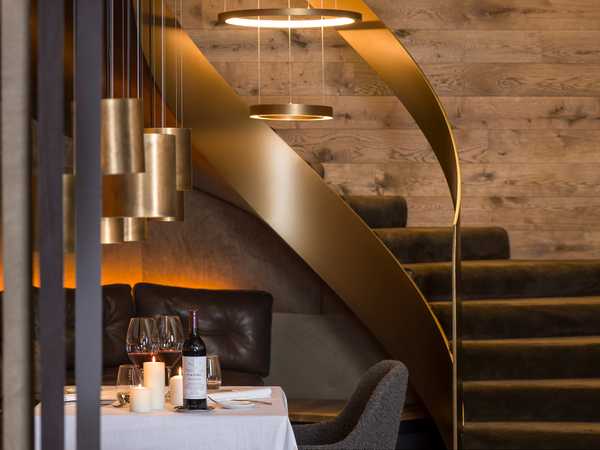
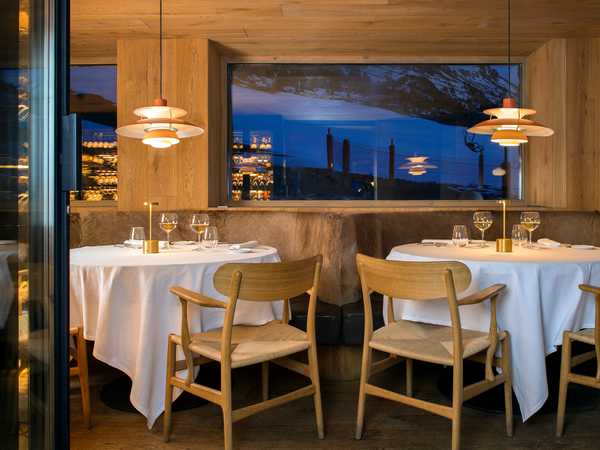
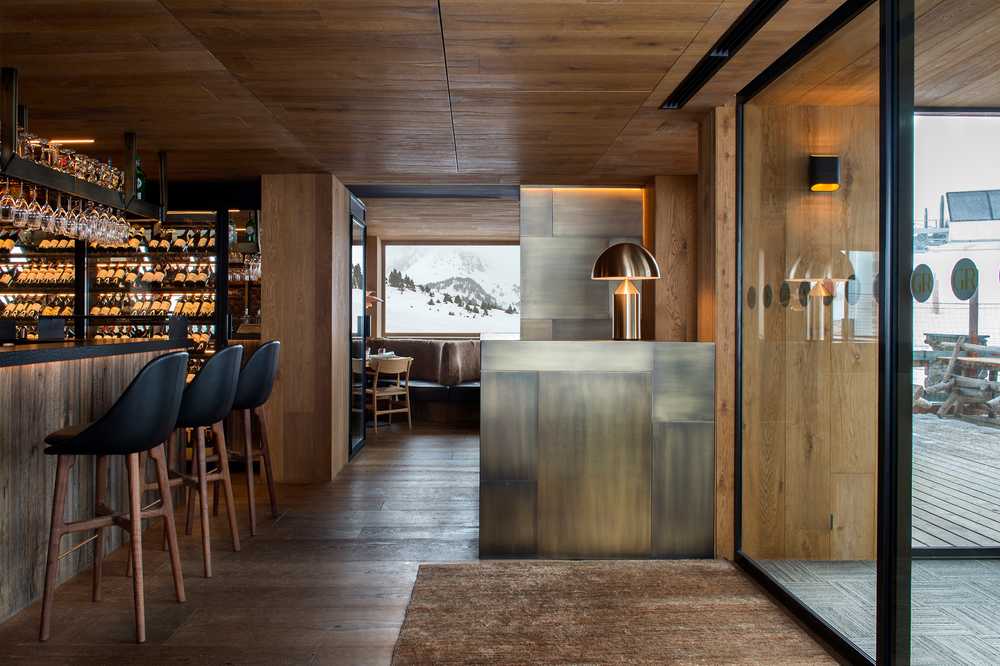
At Hotel Grau Roig, listed in the MICHELIN Guide, the cellar holds more than 300 labels. You can ask for advice at its restaurants and try at the table whatever caught your attention during the trip.