
- Culture
- Adventure
Andorra in spring: exploring local flora and fauna
The flowers, animals and natural parks you can discover
The beauty of Andorra’s flora in spring
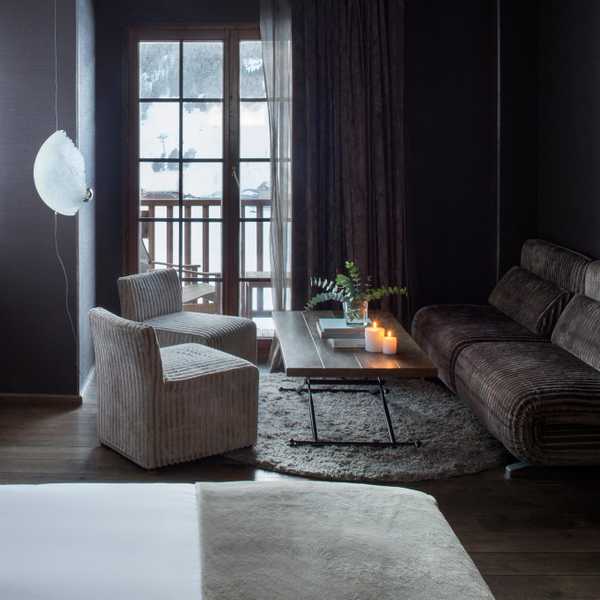
Spring arrives in Andorra in stages. While the valleys begin to turn green, the higher ground holds on to its snow for weeks, so the same trip can give you flowering meadows and white summits. If you are staying at Hotel Grau Roig, listed in the MICHELIN Guide, you are right in the Pyrenees, in an ideal setting for discovering this natural world at your own pace.
What blooms and when
The calendar depends on altitude. In Comapedrosa Natural Park, Pyrenean buttercups and spring crocuses appear just after the thaw, while the great burst of flowers comes in July. In the Sorteny Valley, the best flowering period runs from late June to late July, and some plants are still in bloom in August. So if you are travelling in late spring, look towards lower areas and the meadows the snow has just uncovered.
- Pyrenean buttercups and spring crocuses, after the thaw.
- Gentians, St Bruno’s lilies and Pyrenean lilies, among Sorteny’s notable plants.
- Arnica and great yellow gentian, plants with traditional medicinal uses.
A garden to help you recognise them
Sorteny has a botanical garden of around 800 m² with nearly 300 species grouped by habitat, and its medicinal and edible plant sections are the most visited. It is mainly in bloom from June to August, so it is best saved for the end of the season.
Back at the hotel
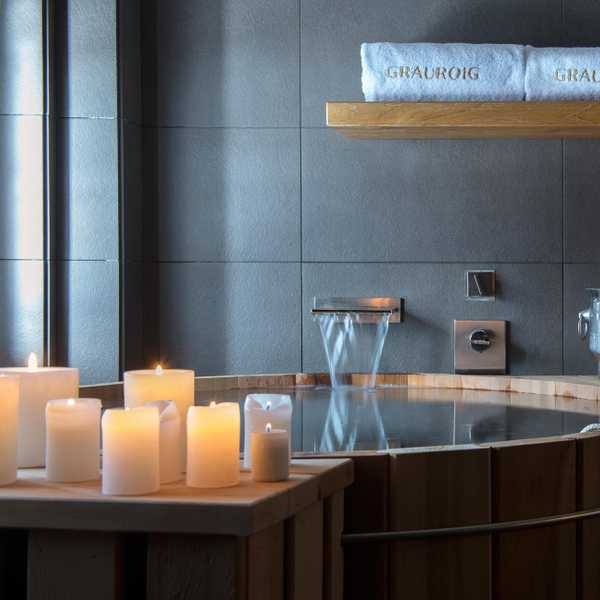
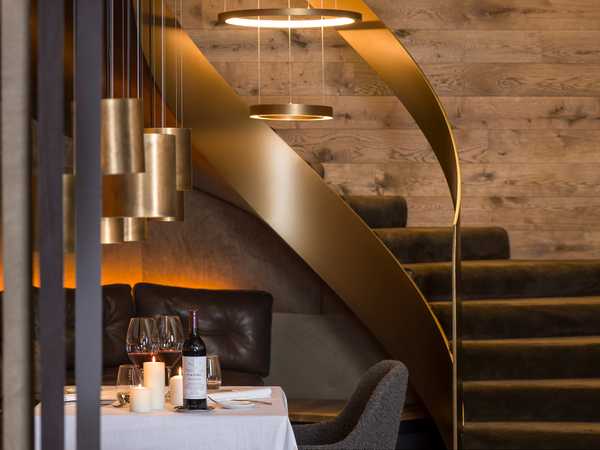
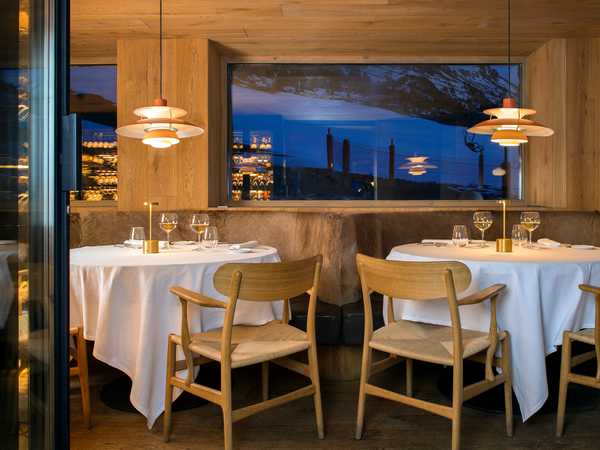
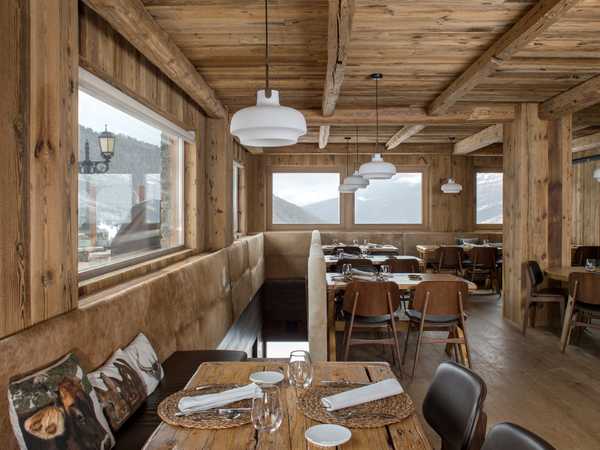
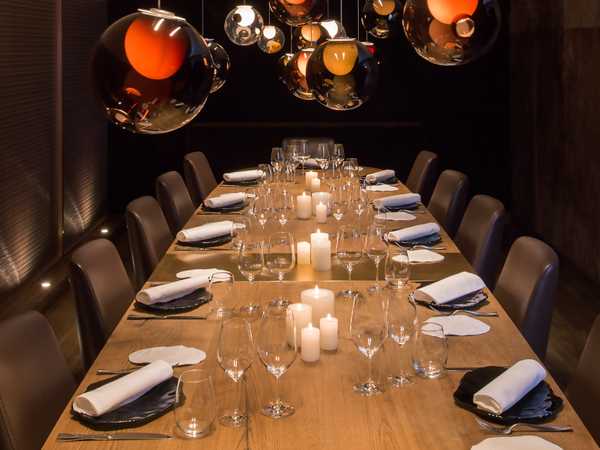
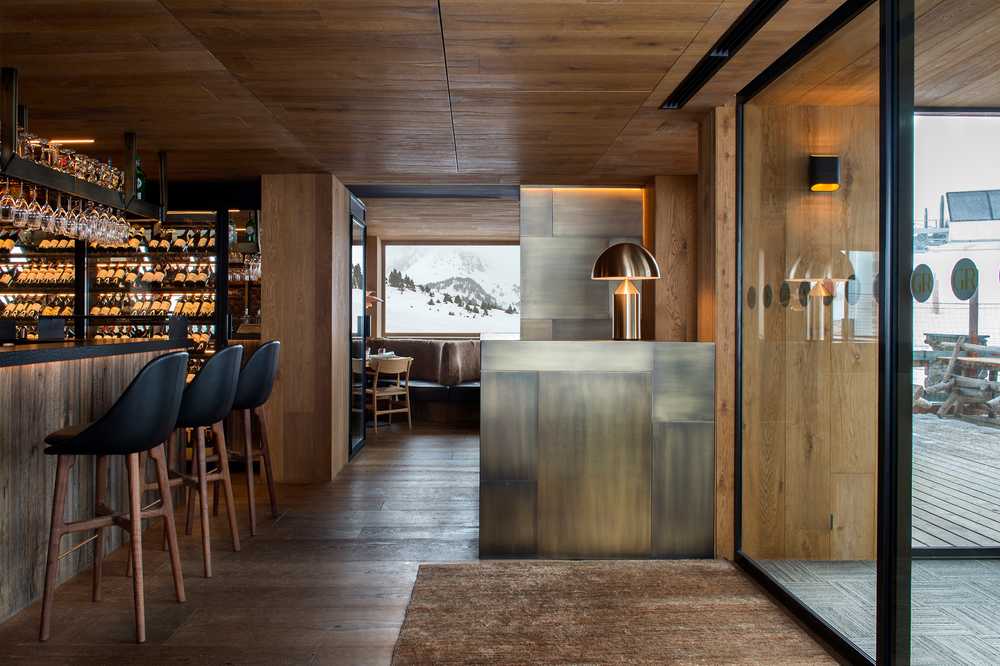
After a day outdoors, the hotel has its spa to rest your legs, along with a dining selection that includes La Vaquería, El Teatro del Vino, La Marmita, La Fromagerie and Secret Room. If you would like something more unhurried, take a look at our selection of tasting menus.
Andorra’s wildlife in spring: animals you may see
The wildlife in Andorra’s protected areas is very varied, although seeing any given species is a matter of patience, timing and luck. Get up early, walk quietly and take binoculars: distance protects the animals and gives you better sightings.
Mammals
Records for Sorteny Natural Park include chamois, roe deer, wild boar, marten, stoat and marmot, as well as the Pyrenean desman, a protected endemic species. Chamois there can form herds of more than 30 animals. Comapedrosa and Madriu also record mouflon and squirrels.
Birds
Around 60 notable bird species have been recorded in Sorteny alone, and Madriu has 61 nesting species. Some of the most striking are:
- Golden eagle, bearded vulture and griffon vulture.
- Rock ptarmigan, capercaillie and black woodpecker.
- Tengmalm’s owl, rock thrush and nutcracker.
Amphibians, reptiles and butterflies
The Pyrenean newt lives in all three natural parks, and Madriu is also home to the common frog, fire salamander and common toad. The Pallars rock lizard, discovered in 1994, is found mainly in Comapedrosa above 2,300 metres. Butterflies have their moment too: Sorteny has more than 80 diurnal species, including the Apollo, and Madriu more than 72.
Fishing
If you also enjoy fishing, barbless fly fishing is allowed on Sorteny’s rivers and at Estany de l’Estanyó, limited to five anglers a day and with a permit from the Ordino Tourist Office. Confirm the current conditions before you go.
Hiking routes for exploring nature in spring in Andorra
Andorra is made for walking, but in spring it pays to choose carefully. Snow can still cover the high trails, and the guide to protected areas points out that avalanche risk in Comapedrosa is high in winter and spring. Check conditions before setting out and, if in doubt, opt for lower-altitude routes.
A good starting point is our guide to hiking routes in Andorra. Here are three ideas depending on the time of year:
- The Pessons lakes: the route starts from El Cubil, in Grau Roig. In late spring and summer, it is the nearest walk, as long as the snow allows.
- The Madriu valley: altitudes range from about 1,060 to 2,905 metres, so you can choose a low stretch while the summits are still snow-covered.
- The Sorteny valley: you cannot drive up the forest track when there is snow, but there are routes from Canya de la Rabassa to Planell del Quer, covering 2.7 km with 275 m of ascent.
If you prefer something calmer, you will find more options among our forest walks. As for activities, the hotel’s website lists a picnic among its activities; you can ask about availability at reception.
What to take
In spring, the mountains change quickly. Take hiking boots, warm layers, a waterproof jacket, sunglasses and sun cream, water and some food. Start early and leave time to turn back if the weather gets worse.
Andorra’s natural parks: havens of flora and fauna in spring
Andorra has three large protected areas, each with its own character.
Sorteny Valley Natural Park
This is Andorra’s first natural park, in Ordino, with around 1,080 hectares and four glacial cirques. Visit Andorra credits it with more than 700 species of flowering plants, over 50 of them endemic to the Pyrenees, while the guide to protected areas refers to more than 800 vascular plants. Since October 2020 it has been a UNESCO Biosphere Reserve. Access is via the CG3 towards Ordino Arcalís, taking the CS370 after El Serrat. The Serrera river rises here at 2,680 metres, the highest river source in the country, and the staffed Borda de Sorteny hut opens in winter and summer, with a restaurant.
Throughout the year, the park runs themed excursions on birds, butterflies and wetlands, glacial cirques and ancient forests.
Comapedrosa Valleys Natural Park
Located in La Massana, it covers 1,542 hectares and contains the country’s highest peak, the Alt de Comapedrosa, at 2,942 metres, and its highest lake, the Estany de Més Amunt dels Forcats, at 2,714 metres. It has more than 700 recorded species of vascular plants, and its wetlands have been on the Ramsar list since 2014. You will find its interpretation centre in Arinsal.
Madriu-Perafita-Claror Valley
It covers 4,247 hectares, about 10% of Andorra’s surface area. It has been a UNESCO World Heritage Site since 2004 as a cultural landscape. It brings together 38 natural or semi-natural habitats and some 350 wetlands, and has been a Ramsar site since 2013.
Tips for photographing flora and fauna in Andorra in spring
Choose the time and the light
For photographing flowers, the first and last hours of the day give softer light and less contrast. There also tend to be fewer people on the trails early on. For more inspiration, have a look at our photography routes in Andorra.
Kit and technique
- Flora: a macro lens or a good macro mode lets you capture petals and insects. A small diffuser helps with harsh light.
- Wildlife: a telephoto lens is the most practical way to keep your distance from chamois, marmots and birds of prey.
- Landscape: a wide-angle lens and a light tripod work well for glacial cirques and lakes.
- Protection: take a dry bag and spare batteries, as the cold drains them faster.
Respect the environment
Do not leave the trails to get a shot, do not pick plants and do not approach nests or young animals: in spring they are especially sensitive to disturbance. Your best image is the one that does not disturb what you are photographing.
And if you are travelling in winter
The high season at Grau Roig is winter, from November to April, with skiing taking centre stage. The wildlife does not disappear: the snowy valleys are a good setting for following tracks, and in Sorteny the hut remains open as a staffed refuge. If your trip coincides with the end of the season, you can combine a few days on the snow with your first spring walks in the valleys.